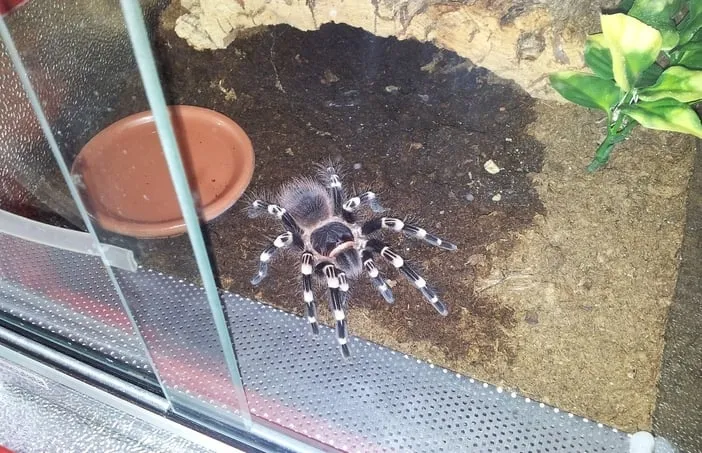
What is a Tarantula Natural Habitat
The natural habitat of a tarantula is a complex and fascinating environment that provides all the necessary elements for survival. Understanding where tarantulas live and what they need is crucial for appreciating these amazing creatures and for conservation efforts. Tarantulas, belonging to the Theraphosidae family, are found in various regions across the globe, each habitat influencing their behavior, appearance, and survival strategies. Their homes are not just a place to exist; they are essential for hunting, reproduction, and protection from predators. These spiders are highly adapted to their surroundings, with specific requirements for temperature, humidity, and shelter.
The Forest Floor and Burrows
Many tarantulas are terrestrial, meaning they spend a significant amount of time on the ground. The forest floor, rich with leaf litter, decaying wood, and soil, provides an ideal environment for these spiders. This layer offers both concealment and a place to build burrows. Burrowing is a common behavior, especially among New World tarantulas, as it provides protection from extreme temperatures, predators, and the elements. The burrows can be quite elaborate, lined with silk to stabilize the walls and create a comfortable microclimate. The forest floor also houses the tarantula’s prey, such as insects, other invertebrates, and sometimes small vertebrates.
Importance of Humidity and Temperature

Tarantulas are ectothermic, meaning they rely on external sources to regulate their body temperature. Their habitats must provide suitable temperature ranges for their metabolic processes to function correctly. High humidity is also critical, especially for species from tropical regions. Humidity helps prevent desiccation, or water loss, which can be fatal. In their natural habitats, tarantulas seek areas with consistent humidity, such as under logs, within burrows, or near sources of water. The balance between temperature and humidity is crucial for the tarantula’s health, molting process, and overall well-being.
Why Substrate is Essential
Substrate, the material that forms the ground in their habitat, plays a crucial role in a tarantula’s life. It provides a medium for burrowing, offers shelter, and helps regulate humidity. The type of substrate varies depending on the habitat. For example, in tropical rainforests, the substrate may consist of a mix of soil, decaying leaves, and wood. In drier environments, the substrate might be sandy or loamy soil. The substrate also affects the type of prey the tarantula encounters. A healthy substrate helps the tarantula maintain its health and well-being, as well as allows for optimal hunting and hiding opportunities. Without the right substrate, the tarantula would be left vulnerable.
Different Types of Tarantula Habitats
Tropical Rainforests

Tropical rainforests are biodiversity hotspots, providing diverse habitats for various tarantula species. These environments are characterized by high temperatures, high humidity, and abundant rainfall. The dense canopy creates a shaded environment, and the forest floor is covered with layers of decaying organic matter. Tarantulas in rainforests often live in burrows within the soil or under logs, where they can find refuge from the elements. The rich insect life in these forests provides a plentiful food source for the tarantulas. The stable climate and ample resources make rainforests ideal habitats for tarantula populations to thrive.
Characteristics of Tropical Rainforest Habitats
Tropical rainforest habitats are defined by several key features: consistent high temperatures, typically ranging from 70°F to 90°F (21°C to 32°C); very high humidity levels, often exceeding 80 percent; and heavy rainfall throughout the year. The soil is rich in organic matter, which supports a vast array of insects and other invertebrates, serving as prey for tarantulas. The dense vegetation provides cover and shelter, while the decaying leaf litter creates a humid environment. The presence of various tree species provides a diverse range of microhabitats for the tarantulas to occupy, and the overall stable climate promotes year-round activity and growth.
Importance of these areas
These rainforest habitats are incredibly important because they offer ideal conditions for tarantula survival. The consistent temperatures and humidity levels support the tarantula’s metabolism and prevent desiccation. The abundant prey base ensures a steady food supply, allowing them to grow and reproduce effectively. These habitats offer various microhabitats, such as burrows and areas under logs, which protect them from predators. Conservation of rainforests is critical not only for preserving tarantula populations but also for maintaining the overall biodiversity and ecological balance of the planet.
Deserts and Arid Regions

Deserts and arid regions present a stark contrast to the tropical rainforests. These habitats are characterized by extreme temperatures, low humidity, and scarce rainfall. Despite these challenging conditions, certain tarantula species have adapted to thrive in such environments. They often live in burrows deep underground to escape the heat. Desert tarantulas have developed survival strategies that allow them to conserve water, such as minimizing activity during the hottest parts of the day and extracting moisture from their prey. Their survival in these harsh environments is a testament to their adaptability and resilience.
Adaptations for Desert Survival
Desert tarantulas exhibit unique adaptations that enable them to survive in arid conditions. They possess specialized exoskeletons that help minimize water loss. They dig deep burrows where the temperature is cooler and humidity is higher. Many are nocturnal, emerging to hunt only during the cooler nights. They also have efficient metabolic systems that reduce water consumption. These adaptations are essential for survival and demonstrate the remarkable ability of these spiders to flourish in environments where many other species struggle. The specific adaptations vary slightly depending on the species and the particular desert environment.
Benefits to the Tarantula
The adaptations offer several benefits to tarantulas living in deserts. Deep burrows provide protection from the extreme heat and the sun’s radiation. Nocturnal behavior allows tarantulas to avoid the intense heat of the day, conserving energy and reducing water loss. The exoskeleton helps retain moisture and prevents desiccation. These features allow the tarantulas to survive in the desert for a long time. They also play a vital role in their ecological community. Conserving water is very important in the deserts, and these tarantulas have adapted to efficiently use their resources.
Grasslands and Savannas

Grasslands and savannas offer a different set of challenges and opportunities for tarantulas. These habitats are characterized by open grasslands interspersed with trees and shrubs. They experience seasonal changes in temperature and rainfall. Tarantulas in these environments often burrow in the ground, utilizing the soil and vegetation for shelter and hunting. The availability of prey varies with the seasons, influencing the tarantulas’ activity and feeding habits. The open nature of grasslands can make tarantulas more vulnerable to predators, so they rely on their burrows and camouflage for protection.
Unique Features of Grassland Habitats
Grassland habitats have their distinct features. There are expansive areas of grasses and other low-lying vegetation. The soil is often well-drained, and the climate experiences seasonal changes. Temperature varies from warm to hot, with moderate levels of humidity. The open landscape makes them vulnerable to predators. They often create elaborate burrows for shelter and protection. Different species of grasses and plants that provide various prey. They are also home to many species, providing a diverse ecosystem.
How these areas contribute to the species
Grasslands and savannas contribute to the species in several ways. The burrows, which offer protection from extreme weather conditions and predators, are crucial for survival. Their camouflage helps them blend into the environment, and their hunting abilities allow them to thrive in this environment. The habitat provides food during the season and allows them to reproduce. These factors allow tarantulas to survive and sustain their populations in open habitats. The changing seasons provide challenges that contribute to the adaptability of these spiders.
Factors That Influence Tarantula Habitats

Climate and Weather Patterns
Climate and weather patterns have a profound impact on tarantula habitats. Temperature, rainfall, humidity, and seasonal variations all influence the tarantulas’ behavior, activity levels, and distribution. Changes in climate can affect the availability of food, the suitability of burrows, and the overall health of the habitat. For example, prolonged droughts can reduce the amount of available prey and make it difficult for tarantulas to maintain their moisture levels. Conversely, heavy rainfall can flood burrows and disrupt their way of life. The ability to adapt to these changes is a key factor in their survival.
Availability of Food
The availability of food is a critical factor influencing tarantula habitats. Tarantulas are predators, and their diet consists primarily of insects, but also includes other invertebrates and sometimes small vertebrates. The abundance and diversity of prey species determine the tarantulas’ distribution, population density, and reproductive success. Habitats rich in prey provide a sustainable food source. Any disruption of the food chain, whether due to habitat loss, pesticide use, or climate change, can have a significant impact on tarantula populations. Maintaining a healthy ecosystem, including its insect and prey population, is vital to these spiders’ survival.
Protection from Predators

Protection from predators is another important aspect of tarantula habitats. Tarantulas are preyed upon by various animals, including birds, reptiles, mammals, and other arachnids. The environment offers protection from these threats. Burrows provide shelter from larger animals, and the ability to camouflage or hide in the vegetation can prevent them from being attacked. Habitats that provide safe places for tarantulas to hide are essential for survival. Their ability to defend themselves, through speed, bites, or venom, also contributes to their survival. Protecting their habitats is critical to supporting their growth.
Threats to Tarantula Habitats
Deforestation and Habitat Destruction
Deforestation and habitat destruction pose significant threats to tarantula populations. As forests are cleared for agriculture, logging, and urbanization, tarantulas lose their homes. Destruction reduces the availability of food, shelter, and breeding sites. This results in fragmentation of populations, reducing genetic diversity and increasing their vulnerability to threats. When habitats are destroyed, it can lead to local extinction of the species in those areas. Protecting their habitats is critical to helping maintain their populations.
How this affect tarantula populations
Habitat destruction directly impacts tarantula populations in multiple ways. It reduces the available resources such as space, food, and mates. This loss decreases their growth and reproduction rates. It leads to smaller and more isolated populations. This fragmentation limits genetic diversity and increases the risk of local extinctions. It also makes the remaining tarantulas more vulnerable to predators. Habitat loss forces tarantulas to move into new areas, increasing their exposure to unfamiliar dangers, and it disrupts the ecosystems they live in, which hurts other species. Protecting their habitats is essential for their survival.
Climate Change and its effects
Climate change presents significant challenges to tarantula habitats, particularly in altering weather patterns. Changes in temperature, rainfall, and humidity can affect the suitability of habitats, the availability of food, and the timing of breeding seasons. Rising temperatures can lead to increased evaporation, impacting water supplies. Extreme weather events, such as droughts and floods, can also affect the survival of tarantulas. These environmental changes require tarantulas to adapt, migrate, or face population decline. The effects of climate change highlight the importance of conservation efforts.
How these changes can be mitigated
Addressing climate change requires a multifaceted approach to mitigate its effects on tarantula habitats. Efforts to reduce greenhouse gas emissions, such as transitioning to renewable energy and reducing deforestation, are crucial. Supporting sustainable land management practices can help preserve natural habitats and minimize climate impacts. Restoration of degraded habitats can create resilience in ecosystems. Education and awareness about the effects of climate change can help encourage the public to make changes in their lives, such as reducing consumption and supporting conservation efforts. By working together, we can reduce the impacts.
Conservation Efforts and Protecting Habitats
Importance of Habitat Conservation
Habitat conservation is vital for protecting tarantula populations. Preserving the natural environment is essential for ensuring the survival of these amazing creatures. Conservation efforts include protecting and restoring habitats through establishing protected areas, promoting sustainable land management, and working to reduce the effects of climate change and deforestation. These actions aim to preserve the biodiversity and ecological balance. Conserving their habitats guarantees that tarantulas can continue to thrive for future generations. This also includes public awareness to encourage people to support conservation efforts.
How the public can contribute
The public plays a key role in contributing to tarantula habitat conservation. People can support conservation efforts by educating themselves, supporting conservation organizations, and advocating for policies that protect the environment. Reducing their impact on the environment is also vital. This means choosing sustainable products, reducing waste, and conserving resources. Educating others can help create awareness of tarantulas and their needs. By actively supporting efforts to protect their habitats, individuals can help to ensure their long-term survival.