What is a Tarantula
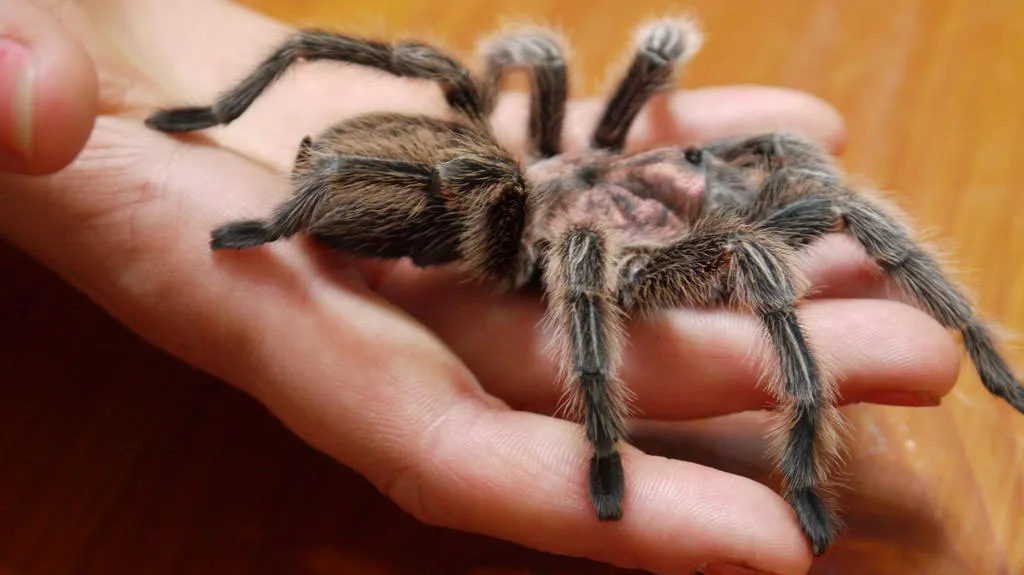
Tarantulas are large, hairy spiders belonging to the Theraphosidae family. They are known for their impressive size, with some species having leg spans exceeding 10 inches. These fascinating creatures are found in various habitats worldwide, from tropical rainforests to arid deserts. Tarantulas are generally nocturnal hunters, feeding primarily on insects, but larger species may also consume small vertebrates like lizards and mice. Their popularity as pets has grown over the years, but responsible ownership requires understanding their unique needs and behaviors. Handling a tarantula is not a trivial task and requires preparation and respect for the animal.
Tarantula Species That Can Be Handled
Not all tarantula species are created equal when it comes to handling. Some species are known for their docile temperament, making them more suitable for occasional handling, while others are more defensive and prone to biting or flicking urticating hairs. Generally, New World tarantulas, particularly those from the genera Brachypelma and Grammostola, are considered to be more handleable due to their relatively mild venom and slower movements. However, individual temperament can vary, and it’s crucial to research the specific species before considering handling. Some common examples of handleable species include the Mexican Red Knee (Brachypelma hamorii) and the Chilean Rose Hair (Grammostola rosea).
Choosing the Right Tarantula Species

Choosing the right tarantula species is a crucial step for anyone considering handling. Beginners should focus on species known for their docile nature and manageable size. Research the species’ temperament, defensive behaviors, and venom potency. Consider the tarantula’s care requirements, including humidity, temperature, and enclosure size, to ensure you can provide a suitable habitat. Popular beginner-friendly species include the Mexican Red Knee tarantula and the Chilean Rose Hair tarantula. These species are generally more tolerant of handling and have a lower risk of causing significant harm if they bite. Avoid species known for their aggressive tendencies or potent venom, as they are best left to experienced keepers. Always prioritize the tarantula’s well-being and safety when making your selection.
Tarantula Handling Equipment
While handling a tarantula is not something to be taken lightly, there are some pieces of equipment that can assist. Proper tarantula handling equipment can minimize risk for both the tarantula and the handler. It is important to consider using long tongs with soft rubber tips that are suitable for gently moving the tarantula. A soft brush can also be used to gently coax the tarantula into a desired position or to gently move it. Always have a clear, escape-proof container ready in case the tarantula needs to be temporarily relocated or if it escapes during handling. A well-equipped handling setup significantly increases your safety and the tarantula’s well-being.
The Importance of Handling Equipment
The primary goal of using handling equipment is to reduce the chance of injury for both the handler and the tarantula. Tarantulas can be startled or defensive, which can lead to bites or the release of urticating hairs. Handling equipment provides a buffer zone, allowing you to interact with the tarantula without direct physical contact. This can be particularly useful when dealing with defensive species or when performing tasks like enclosure maintenance. Using the right equipment can prevent accidental drops, which can be fatal to a tarantula. Prioritizing equipment is a key component of safe tarantula ownership.
Essential Handling Tools

Essential handling tools include long tongs with soft, rounded tips. These tongs allow you to gently move the tarantula without causing injury. A soft-bristled brush is also helpful for gently coaxing the tarantula or redirecting its movement. A clear, escape-proof container is essential for temporary relocation or in case of an escape. Some keepers also use a small, soft-tipped pipette or dropper to gently encourage the tarantula to move. Always have a well-lit workspace and a clean, uncluttered environment to minimize risks. Keeping a first-aid kit nearby is always a good idea when dealing with animals.
Preparing for Your First Handling Session
Preparing for your first handling session is crucial for ensuring safety and success. Begin by thoroughly researching your tarantula species’ temperament and behavior. Ensure the enclosure is set up correctly, with appropriate temperature and humidity levels. Avoid handling the tarantula immediately after feeding, as they may be more defensive. Prepare the handling area by clearing the space of any obstacles that could cause injury. Have all necessary handling tools readily available. Wear appropriate clothing, such as long sleeves and pants, to protect your skin. Most importantly, approach the handling session with patience, respect, and a calm demeanor. Never force interaction; always prioritize the tarantula’s comfort and well-being.
Creating a Safe Environment
Creating a safe environment for handling involves several key steps. Handle the tarantula in a well-lit, uncluttered area to minimize the risk of escapes or accidental injury. Close all doors and windows to prevent the tarantula from escaping. Ensure the floor is clear of any small objects or debris that could pose a hazard. Have a clear, escape-proof container ready in case you need to quickly relocate the tarantula. Avoid handling near sharp objects or potential hazards. If handling on a surface, choose a soft, non-slip surface, such as a table covered with a towel. The key is to minimize potential dangers and ensure the tarantula’s safety during the handling session.
Understanding Tarantula Behavior
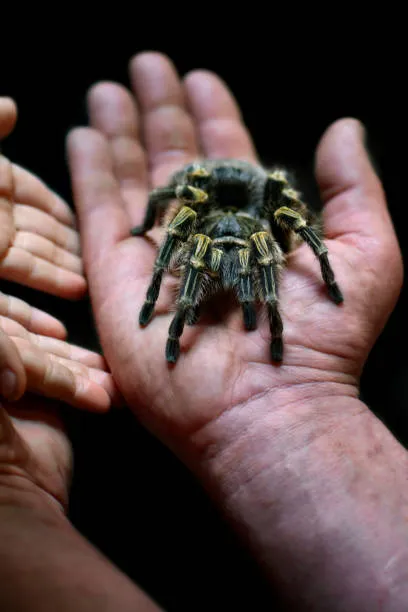
Understanding tarantula behavior is essential for safe handling. Tarantulas have their own unique communication methods. They may exhibit defensive postures, such as rearing up on their hind legs or raising their front legs. They may also flick urticating hairs as a defense mechanism. Being able to recognize and interpret these behaviors is key to avoiding a negative interaction. Always observe your tarantula’s body language before attempting to handle it. If the tarantula appears stressed or agitated, it’s best to postpone the handling session. Patience and respect for the animal’s needs are paramount.
Reading Tarantula Body Language
Reading tarantula body language is key to safe handling. A tarantula’s posture and movements can provide valuable clues about its mood and intentions. Look for signs of stress or defensiveness, such as a raised abdomen, rearing up on its hind legs, or a threat display with its fangs. A relaxed tarantula will typically have its legs extended and be relatively still. The tarantula may also flick urticating hairs from its abdomen. If the tarantula exhibits any signs of defensiveness, it is best to avoid handling. Observing their behavior will let you know when to handle it and when to leave it alone.
How to Handle a Tarantula Step by Step
Handling a tarantula should always be approached with caution and respect. Begin by gently coaxing the tarantula onto your hand or the handling tool using a soft brush or tongs. Support the tarantula’s body, avoiding sudden movements or squeezing. Allow the tarantula to move at its own pace, and provide gentle guidance when necessary. Always keep the tarantula close to the ground or a safe surface to minimize the risk of a fall. Avoid making sudden movements or loud noises that could startle the tarantula. Observe the tarantula’s behavior and be prepared to gently place it back in its enclosure if it shows signs of stress or defensiveness. Always prioritize the tarantula’s safety and comfort throughout the handling process.
The Step-by-Step Handling Process

The step-by-step handling process starts with preparation. First, make sure you have a clean, safe handling environment ready. Before handling, use a soft brush to gently encourage the tarantula to move towards your hand or the handling tool. As the tarantula moves onto your hand or the tool, provide gentle support. Use your other hand to gently guide the tarantula’s movement. Speak in a calm, reassuring voice throughout the process. Stay calm and patient, and always prioritize the tarantula’s safety. Finally, slowly and gently place the tarantula back into its enclosure. Always observe the tarantula’s behavior and be prepared to adjust your approach if needed. Be sure not to force the process.
Gentle Removal from Enclosure
Gently removing a tarantula from its enclosure is essential for a safe handling experience. Start by ensuring the enclosure is secure and that you have all necessary handling tools. Use a soft brush or long tongs to gently encourage the tarantula to move onto your hand or a safe surface. Avoid startling the tarantula or making sudden movements. If the tarantula is reluctant to come out, be patient and allow it to move at its own pace. Never force the tarantula to move, as this can cause stress and increase the risk of defensive behavior. Maintain a calm and gentle approach, and always prioritize the tarantula’s comfort and well-being. Have a clear container ready to put the tarantula in.
Support and Control
Providing support and control is crucial when handling a tarantula. Gently cup your hand to create a supportive surface for the tarantula’s legs. Avoid squeezing the tarantula or restricting its movement. Use your other hand to gently guide the tarantula’s movement and provide additional support. Keep the tarantula close to a safe surface, such as the floor or a table, to minimize the risk of a fall. Speak in a calm and reassuring voice to help the tarantula feel safe. Always be aware of the tarantula’s body language and adjust your handling technique accordingly. Providing support and control will let the tarantula relax and have a pleasant experience.
Safe Holding Positions

There are some safe holding positions that can minimize the risk of injury. The most common approach is to allow the tarantula to walk onto your open palm, providing gentle support. Use your other hand to gently guide the tarantula, if necessary. Avoid holding the tarantula high above a hard surface. Keep the tarantula close to the ground to minimize the impact of a potential fall. Avoid any positions that could put pressure on the tarantula’s abdomen or legs. Always be mindful of the tarantula’s body language and adjust your holding position if the tarantula seems uncomfortable or stressed. If you are in doubt, it’s best to avoid handling the tarantula.
Post-Handling Procedures
Post-handling procedures are important for ensuring the safety and well-being of both the tarantula and the handler. After handling, gently return the tarantula to its enclosure. Wash your hands thoroughly with soap and water, especially if the tarantula flicked urticating hairs. Monitor the tarantula for any signs of stress or injury. Observe the tarantula’s behavior in the days following handling to ensure it is eating and behaving normally. If you experience any irritation or allergic reaction, seek medical attention. Cleaning the enclosure after handling can help avoid contamination. Take some time to review the handling session, and make adjustments as necessary.
Cleaning and Safety
Cleaning and safety are vital components of tarantula handling. After handling, it’s crucial to clean the handling area to remove any potential contaminants. This includes disinfecting any handling tools and surfaces. Wash your hands thoroughly with soap and water. Be sure to avoid touching your face, eyes, or mouth during and after the handling session. If the tarantula flicked urticating hairs, carefully remove them from the handling area. If you experience any skin irritation or allergic reaction, seek medical attention. Properly cleaning and maintaining a safe environment is crucial to minimizing risks and ensuring a positive experience for both you and the tarantula.
What To Do After Handling
After handling, the focus should be on ensuring the tarantula’s well-being. First, gently return the tarantula to its enclosure. Then, carefully observe the tarantula for any signs of stress, such as erratic movements or defensive postures. Monitor the tarantula’s appetite and behavior in the following days. Offer food and water as usual. Clean the handling area and wash your hands thoroughly. If you experience any allergic reactions, seek medical attention. Provide the tarantula with a period of undisturbed rest in its enclosure. Most importantly, reflect on the handling session and make any necessary adjustments for future interactions, always prioritizing the tarantula’s safety and comfort.
Potential Risks and Safety Precautions
Handling tarantulas, though not an everyday danger, does come with potential risks. These include bites, which can be painful and cause localized swelling. Urticating hairs can cause skin irritation and allergic reactions. Drops or falls can injure the tarantula. To mitigate these risks, always research the species, use proper handling equipment, and avoid sudden movements. Keep the tarantula close to a safe surface. Be aware of potential allergic reactions. In case of a bite, seek medical attention. Be cautious and understand the risks before you start handling a tarantula. Being prepared is key to handling a tarantula.
Allergies and Venom
Allergies and the effects of venom are important considerations when handling tarantulas. Some individuals may be allergic to tarantula venom or urticating hairs, which can cause skin irritation, respiratory issues, or other allergic reactions. If you have a history of allergies, it’s crucial to be cautious and take preventative measures, such as wearing gloves and a mask. While most tarantula venoms are not considered deadly to humans, a bite can still cause pain, swelling, and other localized symptoms. If bitten, clean the wound thoroughly, apply ice, and seek medical attention if symptoms worsen. Always be aware of potential risks, and take appropriate precautions.
Preventative Measures

Taking preventative measures is key to ensuring a safe handling experience. Research your tarantula species and understand its temperament and defensive behaviors. Use appropriate handling equipment, such as long tongs and soft brushes. Wear protective clothing, such as long sleeves and pants, to minimize skin exposure. Avoid handling the tarantula if it shows signs of stress or defensiveness. Handle the tarantula in a well-lit and uncluttered area. Keep the tarantula close to a safe surface to prevent falls. Have a clear, escape-proof container ready. Be aware of potential allergies and have a first-aid kit nearby. Taking the time for preventative measures is a wise investment.
Tarantula Handling FAQ
Here are some frequently asked questions about tarantula handling. Is it safe to handle a tarantula? Handling can be safe if done with caution, proper equipment, and understanding of the species. Should beginners handle tarantulas? Beginners should focus on handleable, docile species. How often should I handle my tarantula? Limit handling to what is necessary and avoid overhandling to minimize stress. What do I do if my tarantula bites me? Clean the wound, apply ice, and seek medical attention if symptoms worsen. What if my tarantula flicks hairs at me? Wash the affected area with soap and water and avoid scratching.
Common Concerns Answered
Addressing common concerns is important for responsible tarantula ownership. Many owners worry about bites; these can happen, so precautions are necessary. Urticating hairs are another common concern, so it is important to know how to handle that situation. Escapes are also a possibility, so you need to ensure a secure environment. It’s important to recognize stress signals and avoid handling a stressed tarantula. By addressing these common concerns and educating yourself, you can create a safe and enjoyable experience for both you and your tarantula. Knowledge is key to responsible pet ownership.