Tarantula Hawk Overview
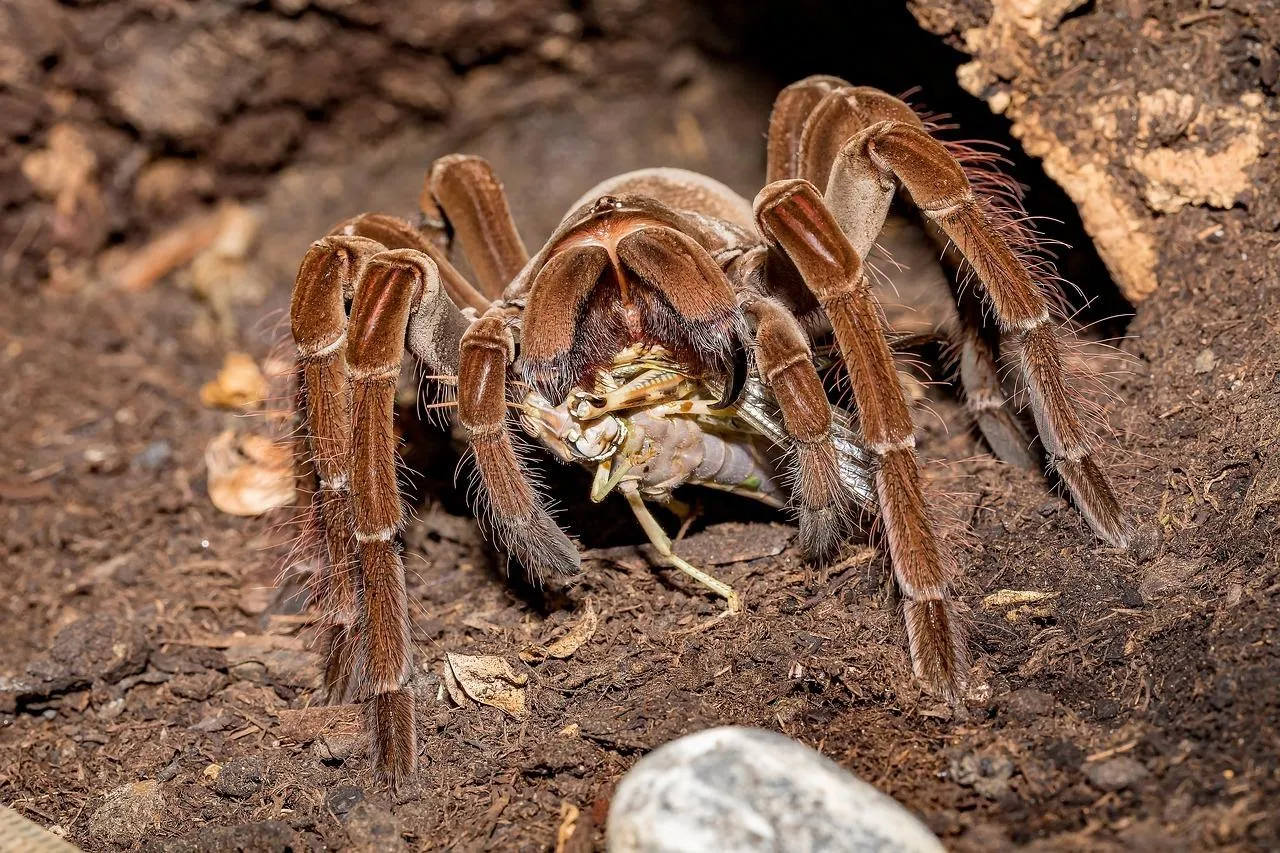
The tarantula hawk is a remarkable insect, a large species of spider wasp known for its imposing size, vibrant coloration, and the infamous way it interacts with tarantulas. These wasps are not just any insects; they are formidable predators with a unique life cycle that revolves around the paralysis and exploitation of tarantulas. Their existence showcases an incredible interplay between predator and prey, offering a fascinating glimpse into the natural world’s complex ecosystems. This article delves into the world of tarantula hawks, exploring their characteristics, life cycle, and the key facts that make them one of the most captivating creatures in the insect kingdom. The tarantula hawk’s story is one of survival, adaptation, and the raw power of nature.
What is a Tarantula Hawk
Tarantula hawks are solitary wasps belonging to the genus Pepsis or Hemipepsis. They are found in various regions, particularly in the Americas, from the southern United States down to South America. They are easily recognizable due to their striking appearance, which often includes a black or dark blue body paired with vibrant orange or rust-colored wings. These wasps are among the largest in the wasp family, with females growing up to two inches long. Their formidable size is matched by their potent sting, used to paralyze tarantulas. The females are the primary hunters and providers for their offspring, making them the central figures in this intricate predator-prey relationship. These wasps are highly specialized, their entire existence shaped by their interaction with tarantulas.
Appearance and Identification
Identifying a tarantula hawk is relatively straightforward, owing to their distinctive appearance. Their bodies are typically a deep black or dark blue, creating a stark contrast with their brightly colored wings. The wings range from a fiery orange to a rust color, adding to their dramatic appearance. When in flight, the combination of their body color and wing color makes them easily recognizable. Males and females can be differentiated by their antennae and size, with females generally being larger. The males, although smaller, also possess the vibrant coloration, though their primary role is to mate, as the female takes on the role of the hunter. Observing their behavior, especially the female’s search for tarantulas, is another way to confirm their identity. The overall appearance is a striking example of nature’s design, with the colors serving both functional and possibly warning purposes.
Picture of Tarantula Hawk - tarantula-hawk-in-flight.webp
Geographic Distribution
The geographic distribution of tarantula hawks is primarily centered in the Americas. These wasps are most commonly found in the southwestern United States, including states like Arizona, New Mexico, and Texas, where tarantulas are prevalent. They extend their range through Central and South America, where they are equally at home in diverse habitats. The range aligns closely with the distribution of tarantula species, as their survival depends on access to these spiders. They prefer arid and semi-arid environments, including deserts, scrublands, and open woodlands. This distribution underscores the close ecological relationship between the tarantula hawk and its primary prey. Their adaptability allows them to thrive in a variety of conditions, from the heat of the desert to more temperate climates.
Tarantula Hawk’s Life Cycle
The life cycle of a tarantula hawk is a remarkable example of insect behavior, involving a complex interplay of mating, hunting, and the parasitic relationship between the wasp and tarantula. The cycle begins with the female wasp’s search for a tarantula, which she will paralyze and use as a host for her eggs. From the eggs, larvae develop, feeding on the paralyzed tarantula. The life cycle of the tarantula hawk, from egg to adult, is a dramatic story of survival and adaptation, driven by the need to reproduce and perpetuate the species. Each stage is critical, reflecting the intricate strategies that have evolved over time to ensure the wasp’s success in its environment.
The Mating Process

Mating in tarantula hawks is a critical aspect of their life cycle, ensuring the continuation of the species. The male wasps play a crucial role in the mating process, patrolling and defending territories, waiting for the females to emerge. When a female is ready to mate, the male will approach her, and mating occurs. After mating, the female is ready to begin the hunt for a tarantula, which is necessary to lay her eggs. The mating process is short, and the female quickly moves on to her primary task: finding a tarantula. This efficient process is essential for the survival of the species, allowing the female to focus on the demanding task of providing for her offspring.
How Tarantula Hawk Larvae Eats Tarantulas
The most notorious aspect of the tarantula hawk’s life cycle is how the larvae consume their prey. The female wasp carefully stings the tarantula, delivering a venomous sting that paralyzes the spider but does not kill it. The wasp then drags the paralyzed tarantula to a burrow or other sheltered location, where she lays a single egg on the spider’s abdomen. After the egg hatches, the larva begins to feed on the paralyzed tarantula, starting by consuming non-vital organs, ensuring the spider remains alive as long as possible. This parasitic behavior is a gruesome but essential part of the tarantula hawk’s life cycle.
The Sting and Paralysis
The sting of the tarantula hawk is infamous for its excruciating pain, often described as one of the most painful stings in the insect world. The female wasp uses this sting to paralyze the tarantula, delivering venom directly into the spider’s nervous system. The paralysis is crucial, as it allows the wasp to move the tarantula and lay its egg without the risk of the spider defending itself. The venom is carefully calibrated, designed to immobilize the tarantula without causing immediate death. This paralyzing effect is what sets the stage for the larval feeding process to begin, maintaining the tarantula in a fresh state for as long as possible.
The Tarantula as a Host

Once the tarantula is paralyzed, it becomes a living host for the wasp larva. The tarantula remains alive, though completely immobile, while the larva feeds on it. This parasitic relationship ensures that the larva has a constant food supply. The tarantula’s body provides everything the larva needs to grow and develop, including nutrients and a protected environment. The tarantula’s size and the larva’s feeding strategy allows the larva to consume the spider from the inside out. The tarantula hawk larva has evolved to exploit the tarantula, making it a vital component of the wasp’s life cycle.
The Larval Stage and Consumption
The larval stage is when the tarantula hawk larva feeds on the paralyzed tarantula. The larva hatches from the egg and begins consuming the spider from the inside out. The larva starts by feeding on non-vital organs, ensuring the host remains alive for as long as possible. This prolonged feeding allows the larva to grow rapidly. The larva’s growth is directly dependent on the size and health of the tarantula. As it consumes the tarantula, the larva molts several times, increasing in size. The entire larval phase is a delicate balance of survival and consumption, with the larva relying on the tarantula for its complete development.
The Larva Development
The development of the tarantula hawk larva is a fascinating process. After hatching, the larva feeds voraciously on the paralyzed tarantula. It molts several times as it grows, increasing in size. The larva’s appearance changes as it develops, eventually becoming a full-grown larva ready to pupate. The duration of the larval stage depends on various factors, including temperature and the size of the tarantula. During this time, the larva is entirely dependent on the tarantula, ensuring that it has a constant supply of nutrients. The larva’s ultimate goal is to consume the entire spider, preparing it for the next stage in its life cycle: pupation.
5 Fascinating Facts about Tarantula Hawk Larvae and Tarantulas

Tarantula hawks and their interaction with tarantulas are full of astonishing facts. Here are 5 fascinating points:
Fact 1 The Sting’s Purpose
The tarantula hawk’s sting is not primarily for defense against humans, but for paralyzing the tarantula. The venom is designed to be incredibly potent, temporarily immobilizing the tarantula without killing it. This paralysis allows the wasp to transport the spider and lay its egg safely. The sting is so painful that it is regarded as one of the most painful stings in the world, according to the Schmidt sting pain index. It is a testament to the specialized adaptations of the wasp for its hunting and nesting behaviors.
Fact 2 The Tarantula’s Fate
The tarantula, once paralyzed, serves as a host for the tarantula hawk larva. The larva feeds on the spider from the inside out, a gruesome but effective survival strategy. This process ensures the larva has a constant food supply while it develops. The tarantula, though alive, is completely at the mercy of the larva, until it is completely consumed. The tarantula’s fate underscores the harsh realities of nature, where survival often depends on the exploitation of others.
Fact 3 The Larval Diet

The tarantula hawk larva’s diet is exclusively the tarantula. The larva starts by consuming the spider’s non-vital organs, ensuring its host remains fresh as long as possible. The larva’s growth is directly proportional to the size of the tarantula. The larva’s specialized feeding behavior is perfectly adapted to maximize the nutrient intake from its host. This diet is essential for the larva’s rapid growth and transformation, preparing it for pupation and its own eventual life as an adult tarantula hawk.
Fact 4 The Transformation
After consuming the tarantula, the tarantula hawk larva pupates within the spider’s burrow or a similar sheltered location. During this pupal stage, the larva undergoes a complete metamorphosis, transforming into an adult wasp. This process can take several weeks, depending on environmental conditions. Inside the cocoon, the larva’s body undergoes a complete restructuring, eventually emerging as a fully formed adult tarantula hawk. The transformation is a remarkable demonstration of nature’s complexity, turning a parasitic larva into a vibrant, free-flying adult.
Fact 5 The Tarantula Hawk’s Defense
Tarantula hawks have several defense mechanisms. Their sting is a potent deterrent, and their bright coloration serves as a warning signal to potential predators. Additionally, the wasps are known to be agile and can fly swiftly to escape danger. Their ability to defend themselves is important for survival. The combination of their sting, coloration, and agility makes the tarantula hawk a formidable insect, capable of defending itself against many threats in its environment.
The Ecological Role and Impact

Tarantula hawks play a significant role in the ecosystems they inhabit. They are predators that help to regulate tarantula populations, influencing the balance of the food web. Their presence or absence can have cascading effects on other species within the ecosystem. Their impact goes beyond their interaction with tarantulas; they also contribute to the biodiversity of the region. Their role is important for the overall health and stability of their environments.
Predator-Prey Dynamics
The relationship between tarantula hawks and tarantulas is a classic example of predator-prey dynamics. The wasp hunts and paralyzes the spider, using it as a host for its offspring. This relationship is a crucial part of the ecosystem. The presence of tarantula hawks keeps tarantula populations in check. This interaction is an example of natural selection, where both species evolve adaptations to survive in their environment. The balance between predator and prey is essential for maintaining stability within the ecosystem.
Conservation Status and Threats
Currently, tarantula hawks are not listed as endangered. However, threats like habitat loss and pesticide use can impact their populations. Conservation efforts should focus on preserving their natural habitats and limiting the use of harmful chemicals. These wasps can thrive in healthy and undisturbed environments. Raising awareness about tarantula hawks and their role in the ecosystem helps ensure that their populations remain stable. Protecting the habitats of tarantula hawks and tarantulas ensures the continuation of their unique relationship for future generations.
Picture of Tarantula Hawk - tarantula-hawk-female.webp
Picture of Tarantula Hawk - tarantula-hawk-sting.webp
Picture of Tarantula Hawk - tarantula-paralyzed.webp
Picture of Tarantula Hawk - tarantula-hawk-larva-on-tarantula.webp
Picture of Tarantula Hawk - tarantula-hawk-cocoon.webp
Picture of Tarantula Hawk - tarantula-hawk-adult.webp
Picture of Tarantula Hawk - tarantula-hawk-habitat.webp
In conclusion, the tarantula hawk and its interaction with tarantulas is a remarkable example of adaptation, survival, and the complex interdependencies within an ecosystem. From the female wasp’s formidable hunting skills to the gruesome, yet essential, larval feeding process, every aspect of the tarantula hawk’s life cycle is fascinating. Understanding these creatures and their role in the natural world helps us appreciate the intricate balance of nature. The tarantula hawk’s story reminds us of the wonders and the harsh realities of the environment.