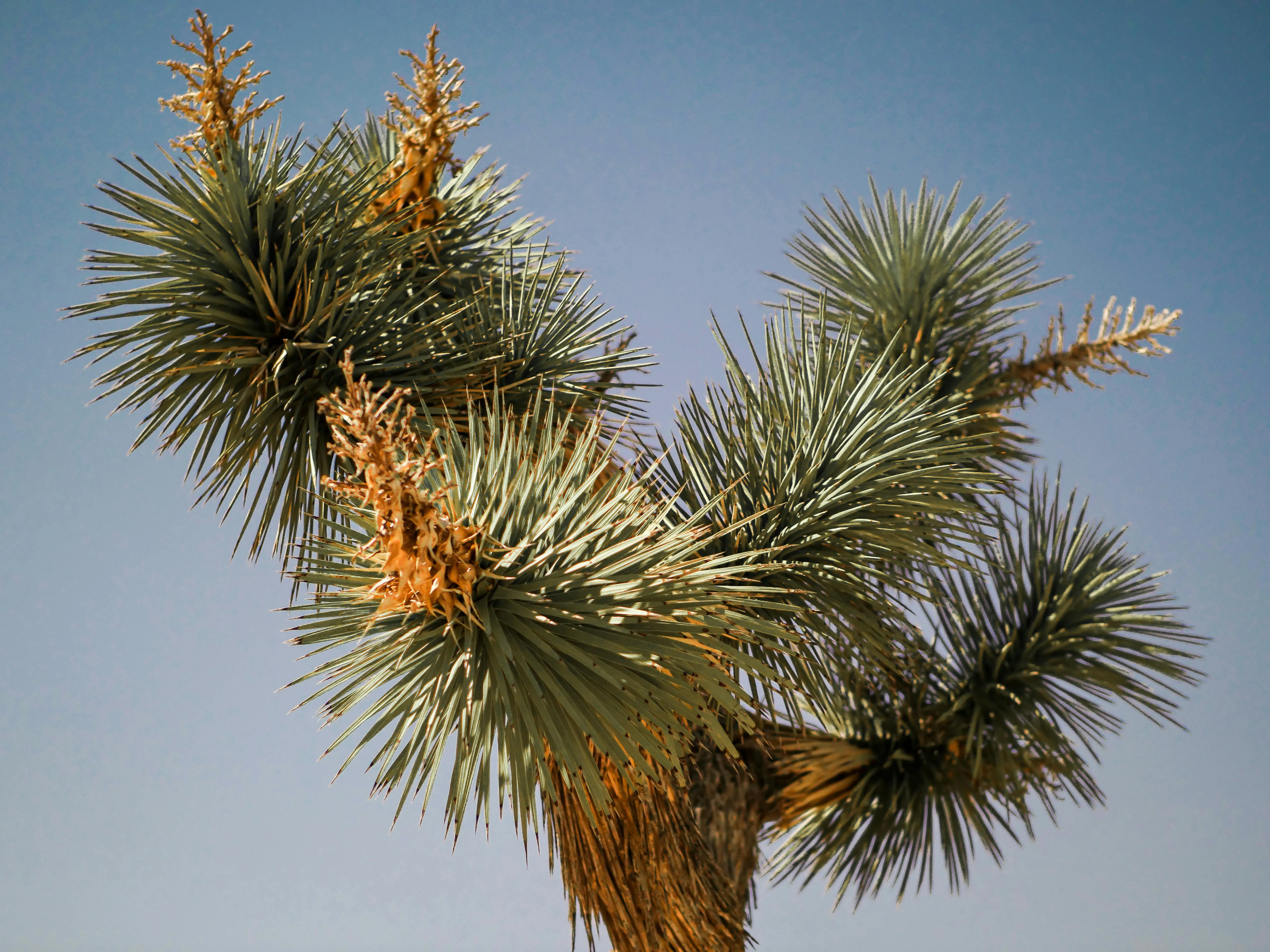
Tarantula Joshua Tree What You Need to Know
Joshua Tree National Park, with its iconic namesake trees and stark desert beauty, is home to a diverse array of wildlife, including the fascinating tarantula. These large, hairy spiders are a significant part of the ecosystem, and their presence adds to the park’s unique character. This guide provides information about the tarantulas found in Joshua Tree, their behavior, habitat, and how to appreciate them safely. It’s essential to understand these creatures to respect their role in the environment and to ensure both their survival and your safety while exploring the park. From identifying different species to learning about their life cycles, you’ll gain a deeper appreciation for these often-misunderstood animals.
What are Tarantulas
Tarantulas are large, hairy spiders belonging to the Theraphosidae family. They are known for their impressive size, with some species having leg spans that can exceed 10 inches. Unlike many other spiders, tarantulas are generally not considered dangerous to humans; their venom is typically no more potent than a bee sting. These creatures are primarily nocturnal hunters, using their fangs to inject venom into their prey, which can include insects, small lizards, and even small rodents. They are found in various habitats, from rainforests to deserts, with each species adapted to its environment. Their lifespan can be quite long, with females often living for 20 years or more. Tarantulas play a vital role in their ecosystems, controlling populations of insects and other small animals.
Tarantula Habitat and Diet

In Joshua Tree National Park, tarantulas have adapted to the harsh desert environment. They prefer to live in burrows, which they dig into the ground or find under rocks and in crevices. These burrows help them regulate their body temperature and provide shelter from the extreme heat and sun. The diet of a tarantula primarily consists of insects, but they will also consume other invertebrates and small vertebrates they can catch. They are ambush predators, waiting patiently near their burrows for prey to come within striking distance. Their strong fangs and potent venom are essential for subduing their meals, ensuring they get the nutrients they need to survive in the challenging desert conditions. These spiders are opportunistic feeders, consuming whatever they can find and overpower.
Types of Tarantulas Found in Joshua Tree
Joshua Tree National Park is home to several species of tarantulas, the most common being the Desert Tarantula and the Desert Blonde Tarantula. Each species has unique characteristics and behaviors that allow them to thrive in the desert environment. Recognizing these differences is key to understanding their role within the ecosystem. Understanding the specifics of these species helps visitors appreciate the biodiversity of the park and the adaptations that allow these creatures to survive in such a challenging environment. The variations in appearance, behavior, and habitat preference among different tarantula species contribute to the ecological richness of Joshua Tree.
The Desert Tarantula
The Desert Tarantula, scientifically known as Aphonopelma chalcodes, is one of the most frequently observed tarantula species in Joshua Tree. It is characterized by its relatively large size and dark coloration, which helps it absorb heat from the sun during cooler desert nights. These tarantulas are well-adapted to the arid climate, with features that help conserve water and regulate body temperature. They are nocturnal hunters and spend the day hidden in their burrows, emerging at dusk to search for food. The Desert Tarantula plays a crucial role in the ecosystem, controlling insect populations and providing a food source for other desert animals. Its presence is a sign of a healthy desert environment.
Identifying a Desert Tarantula

Identifying a Desert Tarantula involves looking for key features such as its size, coloration, and overall appearance. They typically have a leg span ranging from 4 to 6 inches. Their bodies are covered in dark brown to black hairs, which provides camouflage against the desert floor. Look for a robust body shape and relatively long legs. While observing, it’s crucial to maintain a safe distance and avoid any sudden movements that could startle the spider. Observing their behavior from a distance can offer fascinating insights into their life, such as how they hunt or interact with their surroundings. By paying attention to these details, you can confidently identify a Desert Tarantula.
Behavior of the Desert Tarantula
The behavior of the Desert Tarantula is primarily nocturnal, spending the daylight hours in their burrows. They are ambush predators, patiently waiting for prey to wander within reach. When an opportunity arises, they will quickly emerge to seize the opportunity. They are generally not aggressive towards humans, but can bite if provoked. During mating season, males will wander in search of females, which can make them more visible. They construct silk webs to line their burrows and to detect vibrations from potential prey. Understanding their behavior allows us to appreciate the adaptations that enable them to thrive in the desert environment and to observe them safely.
The Desert Blonde Tarantula
The Desert Blonde Tarantula, also known as Aphonopelma iodius, is another species you might encounter in Joshua Tree. This tarantula is distinguished by its lighter coloration, with blonde to tan hairs covering its body. They are generally smaller than the Desert Tarantula, but they still command an impressive presence. Like the Desert Tarantula, they are adapted to the desert environment, with behaviors and characteristics suited to the arid conditions. Their lighter color can help them with temperature regulation, reflecting sunlight and reducing heat absorption. They also play a vital role in the desert ecosystem, and their presence is an indicator of a healthy environment.
Identifying a Desert Blonde Tarantula

Identifying a Desert Blonde Tarantula focuses primarily on its lighter coloration. The leg span is typically between 3 to 5 inches. The hairs on its body range from light tan to blonde. You may also notice a slightly different body shape compared to the Desert Tarantula. When looking for Desert Blonde Tarantulas, pay close attention to these distinctive features. Since their coloration offers good camouflage in the desert environment, they can blend in with the surrounding sand and rocks. Proper identification is crucial for understanding the diversity of tarantulas found in Joshua Tree and the unique characteristics of each species.
Behavior of the Desert Blonde Tarantula
The Desert Blonde Tarantula’s behavior is similar to that of the Desert Tarantula, being predominantly nocturnal. They spend the day in burrows, which they create or find under rocks or in crevices. They are ambush predators, lying in wait for prey. During mating season, males actively seek out females, which can make them more visible to observers. Their hunting strategies and interactions with their environment are fascinating and provide insights into their survival tactics. Observing their behaviors from a distance can provide an excellent opportunity to witness them in their natural habitat.
Tarantula Life Cycle and Reproduction
The life cycle of a tarantula is a fascinating process, marked by several stages from egg to adulthood. Understanding their reproduction helps to appreciate their survival strategies. The life cycle includes mating, egg laying, and growth through molting. The process demonstrates the resilience and adaptability of these desert-dwelling creatures. Their growth is slow and deliberate, allowing them to survive in harsh environments. The process is an integral part of their existence in Joshua Tree National Park.
Mating and Egg Laying

Mating season for tarantulas in Joshua Tree typically occurs during the late summer and fall months. Males actively search for females, often traveling long distances, which makes them more visible during this time. The males have specialized structures on their front legs that they use to mate with the females. After mating, the female will lay her eggs, typically in a silk egg sac, which protects them from predators and the harsh desert environment. The egg sac can contain hundreds of eggs, and the female will guard it diligently until the spiderlings hatch. The mating process is a critical part of the tarantula life cycle, ensuring the continuation of their species within the park.
Hatching and Growth
After the eggs hatch, the spiderlings, which are miniature versions of adult tarantulas, go through several molting stages as they grow. Molting is the process of shedding their exoskeleton, which allows them to grow larger. Young tarantulas are vulnerable during this period, as their new exoskeleton is soft. The growth of a tarantula can be a slow process, with females often living for many years. The rate of growth depends on factors such as food availability and environmental conditions. Each molt signifies an increase in size and the development of adult characteristics. It is a crucial part of their survival in the desert environment.
Where to Spot Tarantulas in Joshua Tree
Finding tarantulas in Joshua Tree National Park requires knowledge of their habitat and behavior. While these spiders are present throughout the park, there are specific locations and times when they are more likely to be seen. Understanding these factors will increase your chances of spotting these fascinating creatures. Being patient and observant is key to successful tarantula viewing. Remember always to keep a safe distance and to respect their natural habitat.
Best Times and Locations

The best time to spot tarantulas in Joshua Tree is during the late summer and fall, especially in the evenings and early mornings. During these cooler hours, they are more active, as they are nocturnal hunters. Look for them near their burrows, which are often found in areas with loose soil, under rocks, and in crevices. Some popular locations include areas near the Jumbo Rocks Campground and along the quieter trails away from the main roads. Always be mindful of your surroundings and tread lightly, as tarantulas and their burrows can be found almost anywhere in the park. Checking the weather forecast is also a good idea, as warm, humid nights are usually ideal for tarantula sightings.
Tips for Safe Tarantula Viewing
Observing tarantulas in their natural habitat can be a rewarding experience if you follow safety guidelines. Maintaining a safe distance is important to prevent startling the spiders, which could lead to defensive behaviors. It is essential to avoid touching or attempting to handle tarantulas, as they can bite if they feel threatened. Be aware of your surroundings and avoid walking directly in their burrows, which can be hard to see. Always bring a flashlight or headlamp for nighttime viewing, and watch out for other potential hazards, such as snakes or scorpions. By following these precautions, you can enjoy the experience and keep the tarantulas and yourself safe.
Tarantula Myths and Facts
Tarantulas, like many other creatures, are often surrounded by myths and misconceptions. Separating fact from fiction is crucial for understanding and appreciating these spiders. Knowing the truth about their behavior and capabilities helps to replace fear with fascination. Addressing common myths and misconceptions ensures that visitors have accurate knowledge of these amazing creatures.
Common Misconceptions

One common misconception is that tarantulas are highly venomous and dangerous to humans. While they do possess venom, it is typically not considered life-threatening, and their bites are usually similar to a bee sting. Another myth is that tarantulas are aggressive, but in reality, they are often timid and prefer to avoid confrontation. It is also untrue that tarantulas are always large and scary; many species are relatively small and harmless. Separating fact from fiction requires relying on accurate information and scientific understanding to debunk these myths.
Fascinating Facts about Tarantulas
Tarantulas have several fascinating characteristics. For instance, they can live for many years, with some females living for over 20 years. They also have the unique ability to regenerate lost limbs, although it takes several molts to fully regrow them. Their bodies are covered with thousands of tiny hairs called setae, which help them grip surfaces and sense their environment. They use silk to build webs, line their burrows, and create egg sacs to protect their young. These facts demonstrate their adaptability and the unique aspects of their survival strategies. These unique features and behaviors set them apart from other spiders.
Protecting Tarantulas and Their Habitat
Protecting tarantulas and their habitat in Joshua Tree National Park is essential for maintaining biodiversity and the health of the ecosystem. This involves understanding the threats they face and the steps you can take to support their conservation. Through responsible visitation and promoting awareness, we can ensure that future generations can continue to appreciate and learn from these amazing creatures. Conserving their habitat ensures the survival of tarantulas for years to come.
Conclusion
Tarantulas in Joshua Tree National Park are a captivating element of the desert ecosystem. Understanding their behavior, habitat, and life cycle allows for a deeper appreciation of their role and importance. By observing them responsibly, dispelling myths, and supporting their conservation, we can help ensure that these remarkable creatures continue to thrive in this unique and breathtaking landscape. As you explore Joshua Tree, remember to tread lightly, respect the wildlife, and enjoy the experience of discovering these amazing animals.