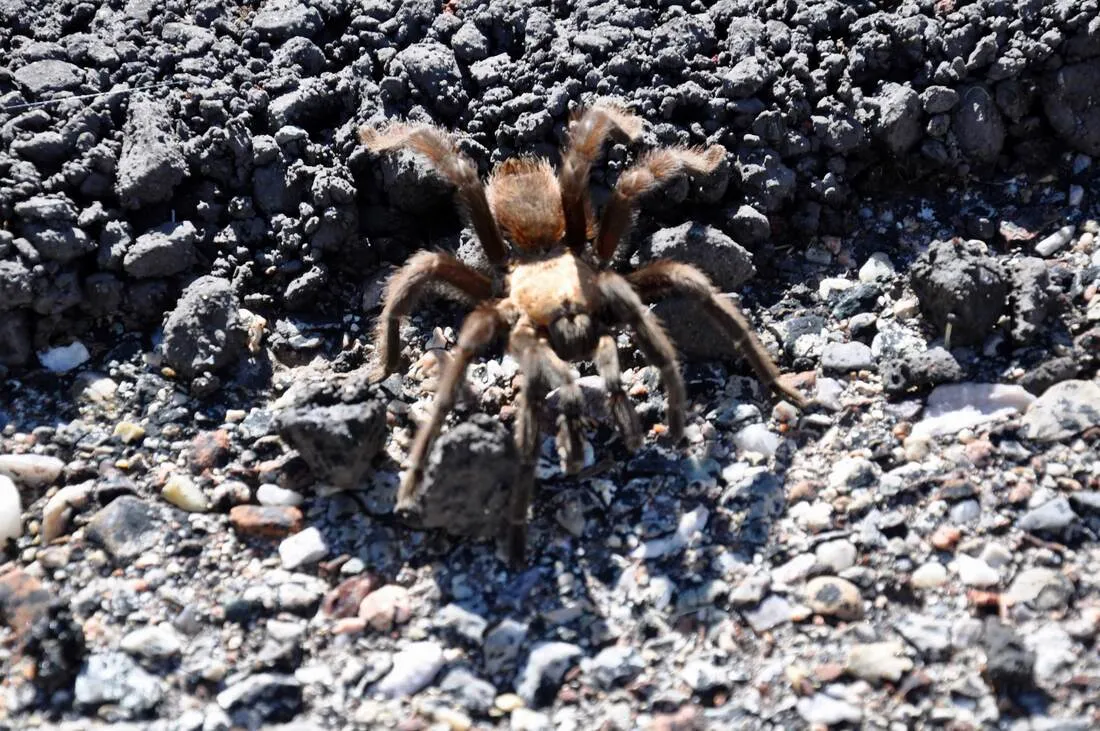
What is Tarantula Migration?
Tarantula migration is a fascinating natural phenomenon where these large, hairy spiders embark on a journey, often during the late summer and early fall. This migration is primarily driven by the tarantulas’ need to find mates. During this time, male tarantulas leave their burrows and actively seek out females, traveling significant distances across their habitat. This seasonal movement offers a unique opportunity for nature enthusiasts to witness these creatures in action, but it’s essential to understand the behavior and respect the environment to ensure a safe and responsible experience. It is a time of heightened activity, making it easier to spot these usually secretive spiders, and provides a glimpse into their life cycle and survival strategies. Observing this migration is not only a thrilling experience but also a chance to learn about the crucial role these arachnids play in the ecosystem.
Understanding Tarantula Behavior
To appreciate the tarantula migration, it’s vital to understand their behavior. Tarantulas are generally solitary creatures, except during mating season. Males are typically smaller and more slender than females. Their primary goal during migration is to find a receptive female, which involves following pheromone trails left by the females. These trails guide the males, often over considerable distances, across diverse terrains. Once a male finds a female, a complex courtship ritual begins, involving drumming and other displays to ensure the female is receptive. Understanding their behavior helps in predicting their movements and observing them responsibly, minimizing disturbance to their natural activities. They are primarily nocturnal, so observing them at night can be more rewarding. They also possess venom, which they use to subdue prey, but their bite is typically not life-threatening to humans. Their defensive behaviors include raising their front legs and flicking urticating hairs if they feel threatened.
Factors Triggering Migration

Several factors trigger tarantula migration. The most significant is the mating season, which coincides with the end of summer and the beginning of fall when the temperature drops, and conditions are favorable. The timing is crucial for both the males and females, as it dictates the success of the mating process and the survival of the offspring. Environmental factors, such as humidity and rainfall, also play a role. Adequate moisture in the soil is often necessary for the spiders to move and find suitable habitats. The abundance of prey can also influence their movements; if prey becomes scarce in their current location, it could prompt them to seek new hunting grounds. Furthermore, the presence of established burrows also plays a crucial part in where the females are located, guiding the males to their mates. All these factors interact to create a precise window for the tarantula migration, making it a predictable, yet awe-inspiring, event.
When and Where to Find Tarantulas in NM
Tarantula migration in New Mexico usually occurs from late August to October, with the peak activity happening in September. The best places to spot them are in areas with suitable habitats, such as grasslands, deserts, and open woodlands. Certain regions like the southeastern and southwestern parts of the state are known to have higher tarantula populations. The timing and location of migration can vary slightly depending on weather conditions and the specific species of tarantula present. It’s essential to research specific locations to maximize your chances of seeing the migration. Local parks, wildlife refuges, and open spaces with less human disturbance are excellent options. Always check local regulations before planning your visit. Being prepared with the right information about the when and where can significantly enhance your viewing experience and make it a memorable one.
Best Times to Observe the Migration
The best times to observe tarantulas during their migration are typically during the late afternoon and early evening. Tarantulas are most active during these cooler, less sunny hours as they try to avoid the heat of the day. This is when the males are most likely to be out and about searching for females. Also, it is crucial to be aware of the light conditions; the transition from daylight to twilight increases the visibility of these creatures, making them easier to spot. Be prepared to stay out until after sunset, as the migration activity often continues well into the night. Bring a flashlight or headlamp to assist you in the dark, but be mindful of how you use the light. Avoid shining bright lights directly at the tarantulas, as it might disrupt their behavior. Remember, patience is important. Spend time observing, and you will increase your chances of witnessing this incredible natural event.
Key Locations in New Mexico
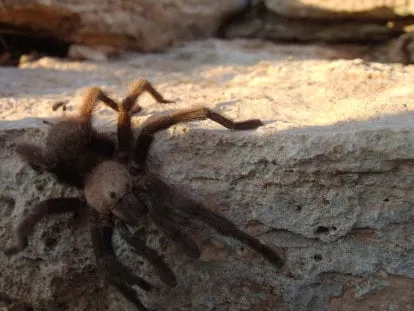
Several key locations in New Mexico are known for their tarantula migrations. The areas around the Rio Grande Valley and the grasslands of the eastern plains offer prime viewing opportunities. Specific spots include state parks, national forests, and wildlife refuges where suitable habitats and fewer disturbances exist. Check with local authorities or visitor centers for recommendations and any recent sightings. Prepare for varied terrain, as tarantulas may be found crossing roads, hiking trails, and open fields. Remember, when exploring these locations, to respect the environment, follow Leave No Trace principles, and be aware of potential hazards, such as other wildlife or uneven ground. Before visiting, it’s wise to research any recent sightings or alerts from park authorities, as this will help you plan your trip and ensure a safer and more rewarding experience. Always have a map or GPS device and inform someone of your plans.
How to Spot a Tarantula Migration
Spotting a tarantula migration requires keen observation and patience. Look for them crossing roads, trails, or open areas, particularly during the late afternoon and early evening. Males are usually the ones you’ll see, identifiable by their longer legs and slender appearance compared to females. Scan the ground carefully, as they may be hidden in the grass or under rocks. Use binoculars to get a closer look without getting too close. Foot trails, game trails, and other linear features can be good spots to find them. Keep an eye out for movement, especially at eye level or slightly above ground. Remember, tarantulas are well-camouflaged, so take your time and examine the surroundings thoroughly. Understanding their behavior – that they are looking for mates – will help you anticipate their paths and increase your chances of spotting them. A slow and careful approach is the best way to spot these arachnids.
Identifying Tarantula Species
New Mexico is home to several species of tarantulas, with the most common being the Texas Brown Tarantula (Aphonopelma hentzi). Identifying species requires careful observation of their physical characteristics. Factors to consider include overall size, coloration, and the presence of specific markings on the legs and body. The Texas Brown Tarantula is typically brown or tan with a hairy body, and you might also encounter the Arizona Blonde Tarantula, which has a lighter coloration. While identifying specific species in the field can be challenging, knowing their common features enhances your observation experience. Resources like field guides or online databases can provide helpful information. But remember, it’s best to observe from a distance and avoid handling the tarantulas to prevent unnecessary disturbance. Taking clear photos can help you later to identify the species.
Recognizing Migration Patterns

Recognizing migration patterns involves understanding the routes tarantulas take and the times they’re most active. Male tarantulas typically move from their burrows in search of females, often following trails or routes that lead them across various terrains. They may cross roads, trails, and open fields, so observing these areas can increase your chances of seeing them. They usually migrate during the late afternoon and early evening, when the temperature is cooler. The direction of their movement is generally determined by the location of female burrows and potential mating locations. Recognizing these patterns can help you anticipate their movements and plan your observation. Documenting your observations over time will allow you to see where they are heading and better understand the migration patterns. Understanding their tendencies can significantly enrich your viewing experience and make it much easier to witness this impressive migration.
Safety Tips for Observing Tarantulas
Observing tarantulas safely is crucial. Always maintain a safe distance from the spiders to avoid any potential bites or defensive reactions. While their bites are typically not life-threatening to humans, they can be painful. Avoid handling or touching the tarantulas, and never try to provoke them. Wear sturdy shoes and long pants when exploring their habitat, as this will provide extra protection. Be aware of your surroundings and watch out for other potential hazards, such as snakes, other wildlife, and uneven terrain. Bring a flashlight or headlamp for navigating in the dark but avoid shining the light directly at the tarantulas for an extended period. Always inform someone of your plans and where you will be. If you are allergic to insect bites, make sure to have medication available. Taking these precautions will help ensure a safe and enjoyable experience while observing these fascinating creatures.
Maintaining a Safe Distance
Maintaining a safe distance is one of the most important safety tips for observing tarantulas. A minimum distance of several feet is recommended to avoid any accidental encounters and to give the tarantulas space. Use binoculars or a camera with a zoom lens to get a closer look without getting too close. Avoid blocking their path or attempting to herd them, as this can stress them. Never try to pick up or handle a tarantula, even if it seems harmless. If you see a tarantula, stay calm and slowly back away if it approaches you. By respecting their space and avoiding any direct interaction, you can minimize the risk of a bite or triggering a defensive reaction. Safe distance is crucial for the safety of both the observer and the tarantula. Observing from a respectful distance allows you to appreciate their behavior without interfering with their natural activities.
What to Do if You Encounter a Tarantula

If you encounter a tarantula during your observation, the best approach is to remain calm and observe from a safe distance. Avoid any sudden movements that might startle the spider. If the tarantula appears to be moving towards you, slowly back away, giving it plenty of space. If you get bitten, wash the area thoroughly with soap and water. While tarantula bites are generally not fatal, they can cause localized pain, redness, and swelling. If you experience severe symptoms, like difficulty breathing or an allergic reaction, seek medical attention immediately. Do not try to capture or handle the tarantula. Report your sighting to local authorities or wildlife organizations if you have any concerns. Understanding what to do in an encounter will help you stay safe and make the experience much more pleasant. Remember, the best way to interact with a tarantula is to simply observe them from a distance and appreciate them in their natural habitat.
Respecting the Habitat
Respecting the habitat is essential for responsible tarantula observation. Stay on designated trails and avoid disturbing the vegetation or soil. Avoid leaving any trash behind, and pack out anything you bring in. Do not damage the tarantula burrows, as these are critical for their survival. Minimize noise and activity that could disturb the spiders or other wildlife. Consider leaving your pets at home, as they could trigger the spiders to act defensively. Remember, the tarantulas’ habitat is also home to other animals and plants, so it’s important to minimize your impact on the overall ecosystem. Following Leave No Trace principles, such as minimizing campfire impacts and respecting wildlife, will help protect the habitat for future generations. Respecting the habitat allows you to enjoy observing tarantulas and contributes to their long-term survival.
The Importance of Conservation
Conservation efforts are important for protecting tarantulas and their habitats. Support organizations and initiatives dedicated to preserving natural areas and promoting sustainable practices. Educate yourself and others about the importance of tarantulas and their role in the ecosystem. Avoid purchasing tarantulas from unverified sources or supporting the illegal wildlife trade. Report any instances of habitat destruction or illegal activities to the appropriate authorities. Participate in citizen science projects to help gather data on tarantula populations and behavior. Conservation efforts are critical to ensure that future generations can witness the marvel of tarantula migration. By supporting conservation initiatives, you help protect these amazing arachnids and the ecosystems they inhabit.
Protecting Tarantulas and Their Environment

Protecting tarantulas and their environment involves a multifaceted approach that includes habitat preservation, responsible tourism, and public education. Supporting legislation and policies that protect natural habitats is essential. Practice ethical wildlife viewing and promote responsible behavior among others. Educate yourself about the challenges tarantulas face, such as habitat loss, climate change, and the impacts of human activities. Consider volunteering with conservation organizations or donating to support their efforts. Advocate for the preservation of natural spaces. By actively participating in these activities, you can contribute to a future where tarantulas thrive in healthy, undisturbed environments. Protecting tarantulas and their environment is not only about safeguarding these amazing creatures, but also about preserving the biodiversity of our planet for future generations.