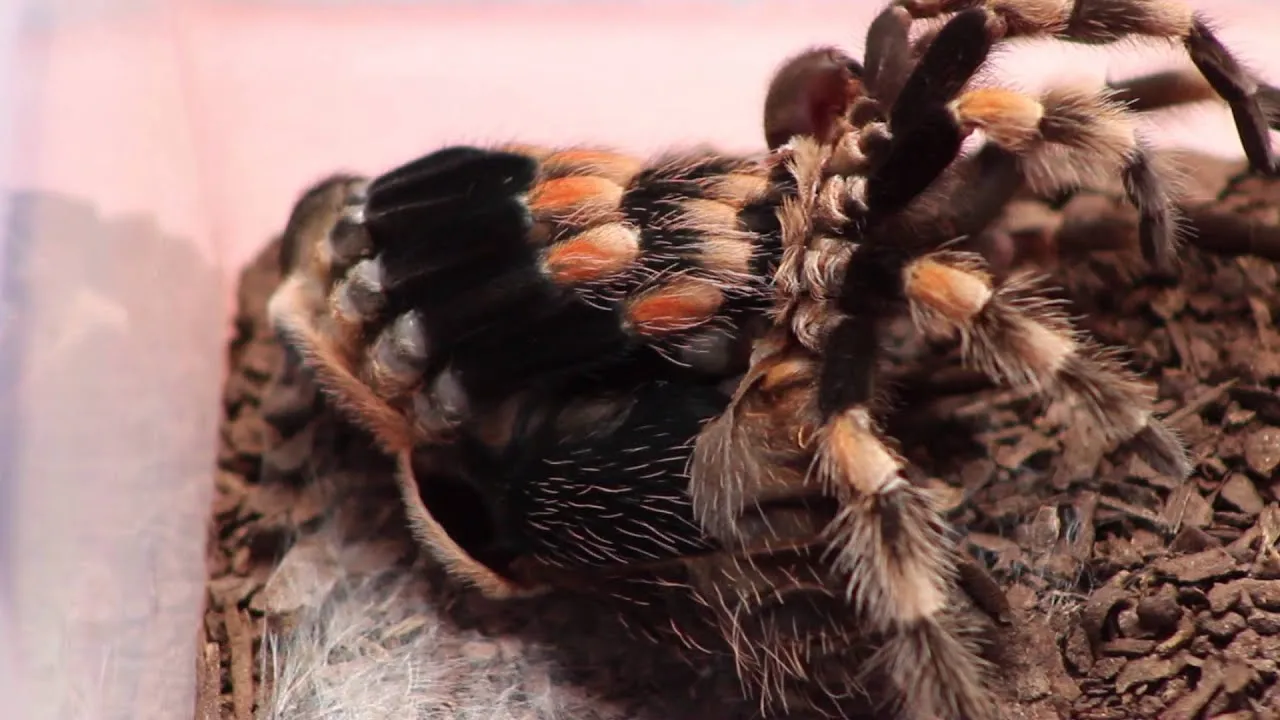
What is Tarantula Molting?
Molting is a fundamental biological process for tarantulas, much like how humans shed skin cells. It’s the way they grow and replace their rigid exoskeleton, which doesn’t expand. The exoskeleton, made of chitin, acts as a protective suit, but it must be shed periodically for the tarantula to increase in size. The frequency of molting varies depending on the tarantula’s age, species, and environmental conditions. This complex process is essential for the tarantula’s survival and continued development, enabling them to shed parasites, regenerate lost limbs, and refresh their sensory organs. Understanding molting is crucial for any tarantula owner, as it dictates their care and management during this vulnerable time.
The Purpose of Molting
The primary purpose of molting is to allow for growth. As a tarantula grows, its exoskeleton becomes restrictive. Molting provides an opportunity to discard the old, tight-fitting shell and replace it with a larger one. Additionally, molting serves as a renewal process. The tarantula sheds not only its exoskeleton but also the lining of its gut, trachea, and even some internal structures. This process eliminates parasites and other irritants, essentially giving the tarantula a fresh start. This is also when they can regenerate lost limbs, making molting a vital survival mechanism in the wild.
Growth and Renewal

Molting is the key to a tarantula’s growth. After shedding their old exoskeleton, tarantulas are left with a new, soft one. During this period, they absorb water and nutrients, expanding their bodies to a larger size before the new exoskeleton hardens. Renewal also involves replacing damaged or lost body parts. If a tarantula loses a leg during a molt, a new one will begin to form. Each successive molt allows the new limb to grow closer to its full size, demonstrating the remarkable regenerative abilities of these creatures. The process helps to keep the tarantula in optimum health and condition.
Why Tarantulas Molt
Tarantulas molt for several reasons, the main one being to grow. The rigid exoskeleton doesn’t stretch or expand, so molting is the only way for the tarantula to increase in size. Molting is also essential for shedding parasites and other unwanted guests that might have attached themselves to the exoskeleton. Furthermore, molting allows for the regeneration of lost limbs and the replacement of damaged sensory structures. This entire process ensures that the tarantula maintains its health and continues to thrive in its environment. It’s a complex physiological process ensuring that these creatures can thrive in their natural habitats.
Top 5 Facts About Tarantula Molting
Fact 1 Preparing for the Molt

The pre-molt phase is characterized by observable changes in the tarantula’s behavior and appearance. This period is crucial, as it determines the success of the molt. Recognizing these signs helps the owner prepare the enclosure and minimize any stress on the tarantula during this vulnerable time. The preparation can involve various things, from reducing disturbances to ensuring proper environmental conditions. Knowing the signs can improve the chances of a healthy molt and prevent any potential complications.
Behavioral Changes
Before molting, tarantulas often become less active, refusing food and spending more time in their hide. Their movements may become slower, and they might exhibit a general lack of interest in their surroundings. This is a sign that they are conserving energy and preparing for the demanding process of molting. It’s crucial to avoid handling or disturbing the tarantula during this period. The tarantula may seal itself inside its burrow, indicating that it’s entered the final stages of the pre-molt phase. Paying attention to behavioral clues helps understand the tarantula’s readiness.
Physical Changes
Physical changes are also evident. The tarantula’s abdomen may appear darker, and its skin might seem stretched or tight. You might notice the formation of a ‘molt mat’ – a silk mat laid down by the tarantula to provide grip during the molting process. Sometimes, the tarantula’s fangs will appear darker or dull. These indicators show that the process has already begun. The changes are subtle but are essential for understanding that the molt is impending and should be monitored closely.
Fact 2 The Molting Process

The molting process itself is a marvel of nature. The tarantula carefully extracts itself from its old exoskeleton, a process that can take anywhere from a few minutes to several hours. During the process, the tarantula splits its exoskeleton, typically along the carapace (the top of its head) and the abdomen. After that, they will emerge from the old shell. Keeping disturbances to a minimum during molting is important.
Creating a Molting Mat
Before the molting begins, the tarantula usually creates a silken mat. This mat serves as an anchor and helps the tarantula position itself correctly during molting. The tarantula will often lie on its back, making it easier to shed its old exoskeleton. The molting mat offers much needed grip as the tarantula works to free itself. This mat is a sign that the tarantula is preparing itself, providing a stable surface to ease the process.
The Actual Shedding
The actual molting process can be very dramatic. The tarantula will begin to move and contort, working to free itself from its old shell. They will typically split open around the carapace. Slowly, the tarantula will start to extract its legs, pedipalps, and body from the old shell. This phase is very delicate and can take a while for large tarantulas. Once free, the tarantula will rest, with its new exoskeleton gradually hardening over the following days.
Fact 3 Post-Molt Vulnerability

Post-molt, tarantulas are incredibly vulnerable. Their new exoskeleton is soft and fragile, leaving them susceptible to injury. They are also considerably weaker. Avoid handling the tarantula for at least a week or two after the molt, and be extra cautious when feeding them. The conditions in their enclosure are critical for the successful hardening of their new shell. This is a crucial time and period for proper care and attention.
Soft Exoskeleton
The newly molted tarantula’s exoskeleton is soft and pliant. It takes several days, sometimes weeks, for the exoskeleton to fully harden. During this period, the tarantula is highly vulnerable to physical damage. The tarantula’s fangs are also soft, which means they will not be able to hunt or defend themselves. It is important to avoid any actions that might cause harm during this time.
Increased Sensitivity
After molting, tarantulas are more sensitive to environmental changes. Their senses are heightened, and they can easily become stressed. It is crucial to maintain stable humidity and temperature levels. Avoid loud noises, bright lights, or any disturbances that might agitate them. Providing a sense of security through a well-maintained enclosure allows the tarantula to acclimate and safely harden their new exoskeleton.
Fact 4 Molting Frequency

The frequency of molting depends on the tarantula’s age, species, and environmental factors. Younger tarantulas molt more often than adults. As they grow, the intervals between molts increase. Providing the right conditions will also impact how often the tarantula molts. Some tarantula species molt more often than others. Understanding these factors is key to knowing what to expect from your pet tarantula.
Factors Affecting Molting
Several factors affect how often a tarantula molts. Diet plays a crucial role, as a well-nourished tarantula has the energy to molt. Temperature and humidity levels also play a role. Optimal conditions can help to facilitate molting. Stressful conditions can inhibit molting or make it a more difficult process. By monitoring these variables, owners can influence the frequency and success of molting for their pet tarantulas.
Life Stage Impact
Young tarantulas molt much more frequently than adults. Spiderlings may molt every few months, while adult tarantulas may only molt once a year, or even less often. As tarantulas age, their metabolism slows down, and their growth rate decreases, leading to less frequent molting. The life stage is a critical factor in predicting how often a tarantula will molt. Knowing this can help owners provide the appropriate care and observe these changes.
Fact 5 Signs of a Healthy Molt

A healthy molt indicates that the tarantula is thriving. Observing these signs can reassure owners. When molting is successful, the tarantula comes out looking fresh, with vibrant colors, and in a good condition. This can offer you a sense of security that your pet is getting the care it needs. In some cases, a poor molt can result in a tarantula losing a limb. Understanding how to recognize these positive signs helps ensure the tarantula’s overall well-being.
Appearance and Behavior
After a successful molt, the tarantula will usually have a new, vibrant appearance. The colors will be more vivid, and the spider will have a fresh, clean look. The tarantula will also be more active, and it will quickly regain its appetite. This is an indication that the molt was healthy and the tarantula is ready to resume its regular activities. If you witness any issues during or after the process, consult with an expert.
Environmental Factors
Environmental factors are crucial to a healthy molt. The correct humidity and temperature levels are essential. Maintaining these levels provides the tarantula with the best possible chance for a successful molt. A well-maintained environment also helps to minimize stress. Observing these conditions will allow the tarantula to thrive. A well-maintained environment indicates that the tarantula is thriving.
Caring for a Molting Tarantula
Proper care during the molting process is critical. The objective is to minimize stress and provide the tarantula with a safe environment. Owners need to maintain optimal humidity and temperature levels, avoid any disturbances, and provide a sense of security. It’s a delicate process. Providing them with these conditions is very important.
Providing a Safe Environment
The first step is to create a safe, stress-free environment. This involves avoiding unnecessary disturbances. Keep the enclosure in a quiet area away from any vibrations or loud noises. Ensure the enclosure is clean, and the humidity and temperature levels are within the recommended range for the specific tarantula species. During the pre-molt phase, reduce the amount of handling to minimize any potential stress.
Humidity and Temperature
Maintaining the correct humidity and temperature is crucial. Tarantulas need a humid environment to shed their exoskeleton successfully. They can have a hard time molting in too dry environments. Consult your tarantula species-specific care guidelines for the recommended humidity and temperature ranges. Use a hygrometer to monitor the humidity levels and a thermometer to track the temperature. It’s also recommended to mist the enclosure with water.
Avoiding Disturbances
Avoid disturbing your tarantula. Keep noise levels to a minimum. Prevent any vibrations near the enclosure. Avoid sudden movements, as these can startle the tarantula. In the pre-molt phase, refrain from feeding or handling the tarantula. If the tarantula is in a burrow, do not try to dig it out. Patience and care are essential during this vulnerable period.
What to Avoid During Molting
Several things should be avoided during the molting process. Never handle the tarantula, as it can be easily injured when its new exoskeleton is soft. Do not attempt to feed the tarantula. Avoid any attempts to assist the tarantula during the molting process. Refrain from spraying water directly on the tarantula or disturbing the enclosure. Leave the tarantula alone, and let it do its natural process. A well-maintained environment and patient observation are all you need to ensure a successful molting.