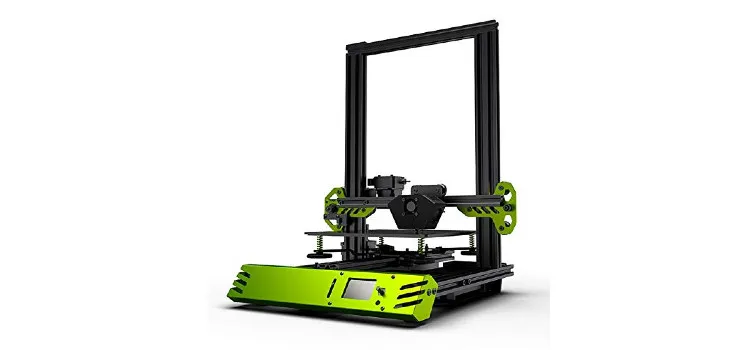
What is the Tarantula Pro 3D Printer?
The Tarantula Pro is a 3D printer that has gained popularity among hobbyists and newcomers to the 3D printing world. Known for its affordability and relatively easy assembly, it offers an accessible entry point to the world of additive manufacturing. This printer has been frequently praised for its robust build and the quality of prints it can produce considering its price point. The Tarantula Pro typically ships as a kit, which means users assemble it themselves, a process that provides a deeper understanding of how the printer functions. This hands-on experience can be beneficial for troubleshooting and maintenance down the line. The printer’s open-frame design gives users the freedom to easily monitor the printing process from all angles. It’s a favorite for those who are new to 3D printing due to its cost-effectiveness and the supportive community available to assist with any challenges that arise during assembly or printing.
Features of the Tarantula Pro 3D Printer
The Tarantula Pro boasts a range of features that contribute to its appeal. It typically features a heated bed, essential for printing with materials like ABS that require a stable printing surface. The printer often includes a color LCD screen to facilitate user-friendly operation and control of the printing process. The frame is often made of sturdy materials like aluminum extrusions, ensuring stability during printing. Many versions are equipped with automatic bed leveling, a feature that greatly simplifies the initial setup and calibration process. A key feature often highlighted is its relatively large build volume for its price category, allowing users to create larger and more complex models than some competing models. Some models include dual-extruder capability, allowing for multi-color or multi-material prints. These features combined make the Tarantula Pro a versatile machine suitable for various printing needs.
Build Volume and Print Quality

One of the most important aspects of any 3D printer is its build volume. The Tarantula Pro usually provides a sizable build area, offering ample space to print medium-sized to larger objects. The specific dimensions can vary slightly based on the model, but it generally competes well against other printers in its price range. Print quality is another crucial consideration. The Tarantula Pro is capable of producing detailed prints, provided that the printer is correctly calibrated and the user optimizes the print settings. Layer resolution, nozzle size, and printing speed all influence print quality, and users can experiment with these parameters to achieve the desired results. While it may not match the precision of high-end printers, the Tarantula Pro is generally considered to deliver impressive results for its cost, making it suitable for a variety of projects, from prototypes to decorative items.
Assembly and Setup Process
Assembling the Tarantula Pro is often seen as part of the experience, providing a hands-on understanding of how the printer works. The process generally involves attaching various components, such as the frame, motors, hotend, and bed. While the assembly can take several hours, clear instructions and a supportive online community often help guide users through the process. The setup typically includes calibrating the bed level, a critical step for ensuring the first layer adheres correctly to the printing surface. Users also need to connect the printer to their computer and install the necessary software, such as a slicer program. Following the manufacturer’s instructions and watching assembly videos can help make the assembly process easier. This hands-on experience can be invaluable for future troubleshooting and maintenance, providing users with a deeper understanding of their 3D printer.
Ease of Use and Software
The Tarantula Pro aims to offer a user-friendly experience, starting with its LCD screen interface, which allows users to control print jobs and monitor progress. The inclusion of auto-bed leveling in some versions further simplifies the setup. For beginners, selecting a well-supported slicer software such as Cura or Simplify3D can significantly simplify the process of preparing 3D models for printing. Slicer software converts digital 3D models into instructions that the printer can understand, and the settings within these applications can be tuned to optimize print quality and speed. The user interface often includes pre-configured profiles for different types of filament. The user-friendliness of the Tarantula Pro is a considerable factor in its popularity, as it lowers the barrier to entry for people who are new to 3D printing. Many online communities provide support, with tutorials and troubleshooting guides available to help users overcome challenges and make the most of their printer.
Filament Compatibility

The Tarantula Pro is generally compatible with a wide variety of 1.75mm filaments, which is a standard size in the 3D printing world. This includes commonly used materials like PLA (Polylactic Acid), ABS (Acrylonitrile Butadiene Styrene), PETG (Polyethylene Terephthalate Glycol), and TPU (Thermoplastic Polyurethane). However, it is crucial to be aware that some materials may require more advanced settings or modifications to the printer. For instance, ABS requires a heated bed to prevent warping, and some flexible filaments may need specific settings to print successfully. It’s important to consult the manufacturer’s recommendations and the user community for tips on printing with specific filaments. The ability to use a range of filaments gives users significant flexibility in choosing materials based on their project’s requirements. PLA is the most popular due to its ease of printing and minimal odor. ABS is often used for its strength and heat resistance.
Pros and Cons of the Tarantula Pro
The Tarantula Pro presents several advantages. Its affordability is a major draw, making it accessible to beginners and hobbyists. The printer’s build volume is usually generous for its price range. Furthermore, it is generally straightforward to assemble, with ample community support. The open-source nature facilitates customization. However, the Tarantula Pro does have its drawbacks. Assembly can be time-consuming, and it may require some fine-tuning to achieve optimal print quality. Some components might be of lower quality when compared to more expensive models. The printer may not be as enclosed or refined as more premium alternatives, potentially impacting print consistency in certain conditions. Noise levels can be a factor during operation. Therefore, while the Tarantula Pro offers excellent value for its price, potential buyers should consider these pros and cons to determine if it meets their needs.
Who is the Tarantula Pro 3D Printer For?
The Tarantula Pro is ideally suited for several user groups. Beginners looking to enter the world of 3D printing will find it to be an excellent starting point due to its affordability and relatively simple assembly. Hobbyists and DIY enthusiasts will appreciate its features, such as the ease of customization and the supportive online community. The Tarantula Pro is also appropriate for students and educators, offering a cost-effective way to learn and experiment with 3D printing. It is a good choice for those who are on a budget but still want to get a taste of this technology. Its ability to print a wide variety of items also means that individuals looking for a wide variety of items, whether practical or decorative, can find the Tarantula Pro to be the right choice for them.
Alternatives to the Tarantula Pro

Several other 3D printers compete in the same price range as the Tarantula Pro. The Ender 3 series, particularly the Ender 3 Pro and Ender 3 V2, are popular alternatives that offer similar features and print quality. The Creality CR-10 series is another option, often with larger build volumes. The Anycubic Mega series provides a good balance of features and affordability. When considering alternatives, users should assess key factors such as build volume, print quality, ease of assembly, and community support. Reading reviews, comparing specifications, and considering the specific features needed for their projects can help users make the right choice.
Tarantula Pro 3D Printer Review Conclusion
In conclusion, the Tarantula Pro 3D printer is a strong contender in the budget-friendly 3D printing market. Its combination of affordability, ease of assembly, and respectable print quality makes it a great choice for beginners and hobbyists. While it does have some limitations, such as the time required for assembly and possible need for fine-tuning, the Tarantula Pro still offers a great value. With its heated bed, user-friendly interface, and compatibility with a wide range of filaments, it offers a comprehensive 3D printing experience. For those seeking an accessible and cost-effective entry into 3D printing, the Tarantula Pro is definitely worth considering.