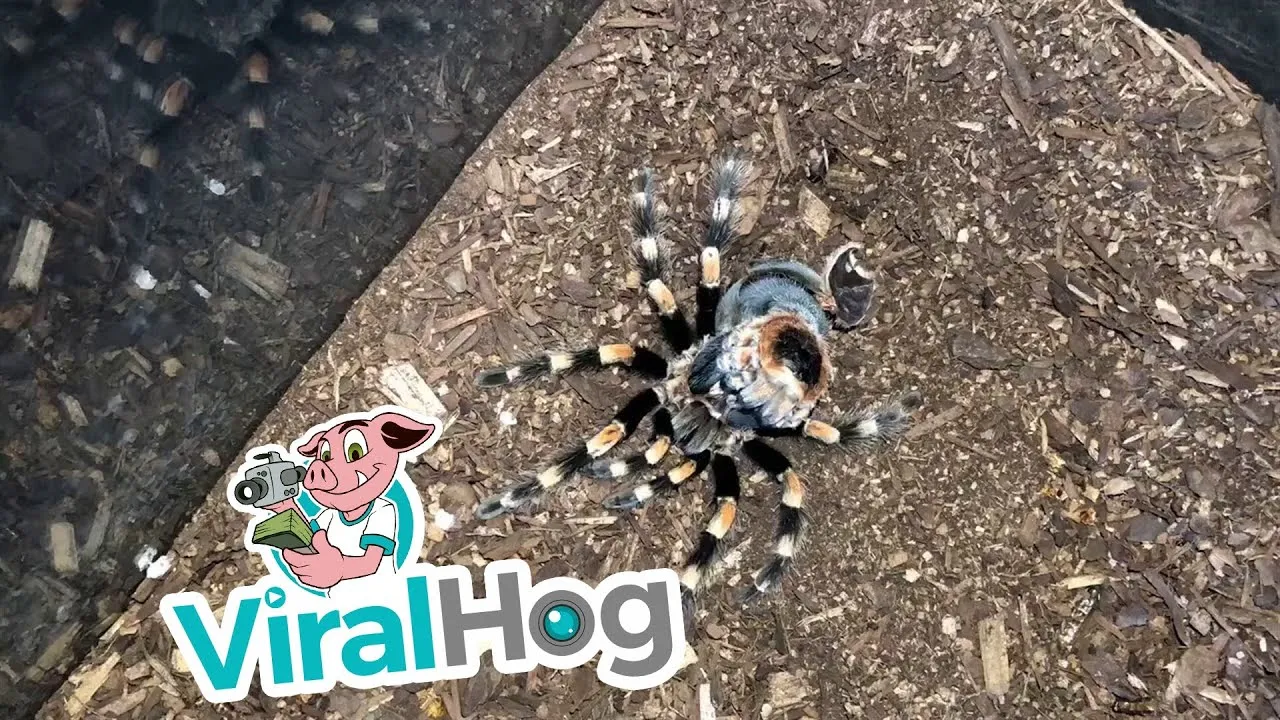
What is Tarantula Shedding
Tarantula shedding, also known as molting, is a crucial and fascinating process in a tarantula’s life cycle. It’s how these amazing arachnids grow, repair injuries, and replace old or damaged parts. Unlike mammals, tarantulas don’t grow continuously; their growth is intermittent, occurring only when they shed their exoskeleton. This outer shell, or cuticle, is made of chitin, a tough and inflexible material. As the tarantula grows, the exoskeleton becomes too small and restricts its movement. The process of shedding allows the tarantula to emerge with a new, larger exoskeleton, enabling further growth and development. Understanding the basics of molting is vital for any tarantula owner to ensure their pet’s health and well-being.
Understanding the Molting Process
Molting is a complex physiological process. It begins with the formation of a new exoskeleton beneath the old one. This new exoskeleton is soft and pliable at first. Enzymes are secreted between the old and new exoskeletons to dissolve the connection, allowing the tarantula to separate itself. The tarantula then absorbs water and air, causing its body to swell, which splits the old exoskeleton. The tarantula wiggles and maneuvers to extract itself from the old shell. This can take anywhere from a few minutes to several hours, depending on the size and species of the tarantula. Once free, the tarantula is vulnerable, with a soft exoskeleton that hardens over several days or weeks. During this time, it’s crucial to avoid handling the tarantula or disturbing its environment.
The Exoskeleton and Why Tarantulas Shed

The exoskeleton serves as the tarantula’s outer armor, providing protection, support, and a point of attachment for muscles. However, it is inflexible, meaning it cannot expand to accommodate growth. As a tarantula grows, it needs to shed this outer layer to accommodate its increasing size. The exoskeleton also wears down over time, and molting is a way for the tarantula to replace damaged or worn parts, such as sensory hairs, mouthparts, and even lost limbs. The process also allows the tarantula to get rid of parasites and other unwanted organisms that may be living on its exoskeleton. The new exoskeleton is often more vibrant in color than the old one, as the tarantula’s pigmentation can change with each molt.
Signs Your Tarantula is About to Shed
Knowing the signs that your tarantula is about to molt is essential for proper care. One of the first indicators is a decrease in appetite. Your tarantula may refuse food for several weeks or even months before molting. The abdomen may appear darker or more translucent as the new exoskeleton forms beneath the old. You might also notice the tarantula becoming less active, spending more time in its burrow or hiding spot. Another sign is a change in the color of the exoskeleton, which can appear duller or faded. Some tarantulas may also start to build a web mat or create a silk-lined retreat in preparation for the molt. Observing these behaviors will help you anticipate the shedding process and adjust your care accordingly.
Changes in Appearance and Behavior
During the premolt period, a tarantula’s behavior and appearance can change significantly. The tarantula will often stop eating, and its abdomen might appear swollen or darker than usual. You might observe the tarantula spending more time on the ground, as it may be trying to find a good spot for shedding. The old exoskeleton’s color can become dull or muted, and the tarantula may appear lethargic. Some species may also become more reclusive and less tolerant of disturbances. After shedding, the tarantula will look completely different, with a new, vibrant exoskeleton and potentially brighter colors. The fangs, pedipalps, and other features will also be brand new, and in the case of a female, her spermathecae are also renewed with each molt.
Preparing for the Shedding Process

Preparing for molting involves providing the right environment to help the tarantula through this vulnerable period. First, ensure that the tarantula has a suitable substrate, such as coco fiber or peat moss, that is deep enough for it to burrow or create a safe retreat. Maintain the correct humidity level for your tarantula species, as proper humidity helps the old exoskeleton split easily. Avoid disturbing the tarantula during the shedding process. Refrain from handling or moving the enclosure unless absolutely necessary. Make sure there are no hazards in the enclosure, such as sharp objects that could injure the tarantula during molting. Also, remove any uneaten prey items, as they could potentially bother the tarantula.
Creating the Ideal Environment
The right environment is crucial for successful molting. The enclosure should provide adequate space for the tarantula to maneuver. Maintain the correct temperature and humidity levels for your tarantula species. A hygrometer and thermometer are essential tools for monitoring these environmental factors. Ensure the substrate is clean and free from any potential contaminants. The substrate also needs to be the correct type. Deep coco fiber or peat moss are good examples, allowing the tarantula to create a burrow. A shallow water dish should be available at all times. Avoid strong vibrations or sudden movements near the enclosure during this time, as they can stress the tarantula and potentially disrupt the molting process. A secure, well-ventilated enclosure that mimics the tarantula’s natural habitat is essential.
Feeding and Watering Adjustments
Adjusting your feeding and watering routine is a necessary aspect of caring for a tarantula before, during, and after molting. As a tarantula approaches a molt, it will typically stop eating. Do not force-feed your tarantula. Leave the uneaten food in the enclosure for a short time, and then remove it to prevent any potential hazards. Keep the water dish filled with fresh water throughout the premolt, molting, and postmolt periods. Providing access to fresh water is critical, especially during the shedding process. Do not offer any food to the tarantula for a week or two after it sheds. The new exoskeleton is initially very soft, and the tarantula needs time to harden before it can eat. You can slowly reintroduce food by offering small, easy-to-catch prey items after a week or so.
What to Do During Shedding

During the actual shedding process, it is best to observe from a distance and avoid any disturbances. The tarantula will typically lie on its back or side. It will use its legs to push and pull itself out of the old exoskeleton. The process can take anywhere from a few minutes to several hours. If the tarantula appears to be struggling or if the molt is taking an unusually long time, do not intervene. Intervening can cause more harm than good. Do not try to assist the tarantula, as this could injure it. Monitor the humidity levels and ensure the environment is stable. Once the tarantula has completed the molt, leave it undisturbed in its enclosure. The tarantula is very vulnerable at this time, as its new exoskeleton is soft and susceptible to injury.
Avoid Disturbing Your Tarantula
The best approach during molting is to avoid any disturbances. This means not handling the tarantula, not moving the enclosure, and keeping noise levels down. Avoid any sudden changes in temperature or humidity. Vibration can also be a cause of stress. Refrain from any activities that could startle the tarantula or cause it to react defensively. If you need to observe the tarantula, do so from a distance, and use a flashlight or a red light bulb if necessary. Red light does not disturb the tarantula’s vision. Remember that molting is a natural process, and the tarantula will be more vulnerable than usual. Be patient and let the tarantula go through the process without any interference.
Post-Shedding Care
After molting, it’s crucial to give the tarantula time to recover and its new exoskeleton to harden. Do not offer food immediately. Wait at least a week before offering any meals, as the tarantula’s fangs and mouthparts will be soft and vulnerable. The new exoskeleton needs to harden completely before the tarantula can resume normal activities. Provide plenty of fresh water and maintain the proper temperature and humidity levels. Observe the tarantula’s behavior and ensure it is moving around normally. During the post-molt period, be aware of the tarantula’s increased appetite, as they will need to replenish lost energy. Once the exoskeleton has fully hardened, you can begin to feed the tarantula small prey items and gradually increase the size and frequency of feedings.
Assessing the New Exoskeleton

Once the tarantula has shed, carefully inspect the old exoskeleton for any signs of problems. Look for any deformities or abnormalities. Compare the old and new exoskeletons to assess whether the molting process was successful. The new exoskeleton should be intact and without any damage. Check that all legs, pedipalps, and fangs are present and in good condition. You should also look for any signs of mites or other parasites. These can sometimes be visible on the old exoskeleton. If you observe any unusual issues, you can consult a veterinarian specializing in exotic animals or a knowledgeable tarantula keeper. The assessment of the new exoskeleton offers valuable insights into the overall health and well-being of your tarantula.
When to be Concerned About Shedding
While molting is a natural process, there are times when you should be concerned. If a tarantula is struggling to molt and the process is taking an unusually long time, it could indicate a problem. If the tarantula appears to be stuck or if the old exoskeleton is not separating correctly, this could be a sign of dehydration, improper humidity levels, or a nutritional deficiency. If the tarantula has shed only partially or has retained some of its old exoskeleton, seek professional advice, as these can lead to serious problems. A tarantula that shows signs of injury during molting may also need veterinary attention. Any signs of stress, unusual behavior, or physical abnormalities require careful monitoring and, potentially, expert intervention to ensure the tarantula’s health and well-being.
Common Shedding Problems and Solutions
Several issues can arise during the molting process. Dehydration can make it difficult for a tarantula to shed its exoskeleton properly. Maintaining appropriate humidity levels and providing access to fresh water are essential. Mites can sometimes infest a tarantula and interfere with molting. Addressing mite infestations involves improving enclosure hygiene and potentially using appropriate treatments. Nutritional deficiencies can also lead to molting problems. Feed your tarantula a varied diet. If the tarantula is experiencing a bad molt, you may need to seek professional assistance. Sometimes, a veterinarian or experienced tarantula keeper can carefully help the tarantula to shed. Understanding these common shedding problems and implementing the appropriate solutions is essential to maintaining a healthy tarantula.
Impact of Humidity and Temperature

Both humidity and temperature play crucial roles in a successful molt. Humidity helps the old exoskeleton split easily. If the humidity is too low, the exoskeleton can become too dry and rigid, making the process difficult and potentially leading to a stuck molt. The humidity levels should be appropriate for the specific species of tarantula. Temperature also affects the molting process. If the temperature is too low, the tarantula’s metabolism can slow down, prolonging the molting process. Maintain the recommended temperature range for the tarantula species. Use a reliable thermometer and hygrometer to monitor the conditions and make the necessary adjustments. By maintaining the correct humidity and temperature, you can help ensure a successful and safe molting experience for your tarantula.
The Importance of a Healthy Habitat
A healthy habitat is fundamental to successful molting. This means providing a clean, spacious, and well-maintained enclosure. The substrate should be appropriate for the tarantula species, and it should be kept clean and replaced as needed. A healthy habitat also includes the right temperature, humidity, and ventilation. Ensure the enclosure is free from drafts and direct sunlight. Avoid using any harsh chemicals or cleaning agents that could be harmful to the tarantula. Regularly check the enclosure for any signs of mold or other problems. If a tarantula lives in a healthy habitat, it will be more likely to molt successfully and thrive. A well-maintained habitat provides the necessary conditions for a healthy and happy tarantula.