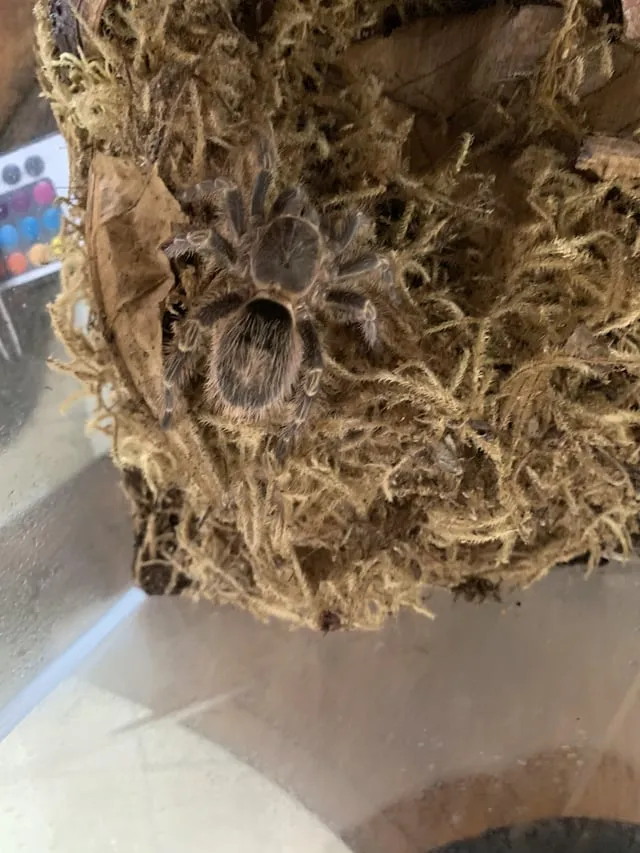
Understanding Tarantula Behavior
Tarantulas, while fascinating pets, can sometimes puzzle their owners with their behavior. One common concern is why a tarantula might stay still, seemingly inactive for extended periods. Observing your tarantula’s behavior is crucial for ensuring its well-being. They are not the most active creatures, but a tarantula that consistently refuses to move can be a sign of underlying issues that need to be addressed. This guide explores the top five reasons why your tarantula might be staying still, helping you understand and address potential problems. These majestic creatures, with their intricate behaviors, require a thoughtful approach to their care. Understanding these behaviors is the first step in ensuring your tarantula’s health and happiness.
Reasons For Tarantula Immobility
A tarantula’s stillness can be attributed to several factors, ranging from natural biological processes to environmental stressors. Identifying the root cause is key to providing appropriate care. Immobility in tarantulas is often a response to a specific condition. Determining whether it is a cause for worry depends on a range of factors, including the tarantula’s age, species, and the conditions of its habitat. This overview helps you break down these various factors, so you can take the right steps to help your tarantula.
Temperature Problems

Temperature plays a vital role in a tarantula’s activity level. Tarantulas are ectothermic, meaning they rely on external sources to regulate their body temperature. If the enclosure is too cold, the tarantula’s metabolism slows down significantly, leading to reduced movement. Conversely, excessive heat can also stress the tarantula. A suitable temperature range is essential for their health, with ideal temperatures typically between 75-85°F (24-29°C). Ensure that your tarantula’s enclosure is equipped with a reliable thermometer and that the heating system, if any, is functioning correctly. Observing the temperature in its enclosure is key, and adjusting it can often fix the problem.
Molting Cycle Explained
Molting is a natural process where tarantulas shed their exoskeleton to grow. During this time, they become vulnerable and often remain still to protect themselves. The molting process can take several hours or even days, depending on the tarantula’s size and species. While molting, the tarantula typically lies on its back or side, appearing motionless. Disturbing a tarantula during molting can be harmful, so it’s important to avoid handling or agitating them during this period. You will also want to keep the enclosure damp.
Pre-Molting Signs
Several signs indicate a tarantula is about to molt. These include a darkened abdomen, loss of appetite, and a generally lethargic demeanor. The tarantula may also refuse to eat for several weeks leading up to the molt. It is essential to provide a moist environment to assist the molting process. This is critical to making sure the molt goes smoothly. If you notice these signs, it’s best to leave the tarantula undisturbed and ensure the enclosure has appropriate humidity levels.
Post-Molting Behavior

After molting, the tarantula will be soft and vulnerable for a few days. During this time, it will remain still and may not eat until its new exoskeleton hardens. Provide a safe, undisturbed environment during this period. Avoid feeding the tarantula until its fangs have fully hardened, typically about a week after the molt is complete. Once the exoskeleton hardens, the tarantula will be more active, and its appetite will return.
Dehydration Issues
Dehydration is a common problem that can lead to immobility in tarantulas. Insufficient water intake, low humidity, or a lack of proper ventilation can cause dehydration. A dehydrated tarantula will often appear lethargic, and its abdomen may look shrunken. It is essential to ensure that fresh water is available at all times, usually in a shallow water dish. Regular misting of the enclosure helps maintain humidity levels and prevents dehydration. By providing adequate moisture, you can greatly improve the tarantula’s overall health.
Recognizing Dehydration
Identifying dehydration in tarantulas requires careful observation. Look for a shrunken abdomen, wrinkled skin, and a general lack of energy. The tarantula may also have difficulty moving its legs. If you suspect dehydration, increase the humidity in the enclosure by misting more frequently and providing a shallow water dish. Severe dehydration can be life-threatening, so prompt action is critical. Monitor the tarantula’s behavior closely and consult with a veterinarian or experienced tarantula keeper if you have concerns.
Feeding Problems

Immobility can sometimes be linked to feeding issues, which can stem from various causes. Overfeeding can lead to obesity and reduced activity, while underfeeding can deprive the tarantula of necessary nutrients. A tarantula that refuses to eat may also be signaling a problem, such as a health issue or environmental stress. You should offer appropriately sized prey insects based on the tarantula’s size. Regularly inspect the enclosure for uneaten prey, which can cause stress and potential health issues. Provide a balanced diet and monitor your tarantula’s feeding habits to identify and address potential problems early.
Impaction Concerns
Impaction, or the inability to pass waste, can cause discomfort and immobility in tarantulas. This often occurs if the tarantula ingests substrate. Using an appropriate substrate that minimizes the risk of ingestion is crucial. Monitor the tarantula’s waste production. If the tarantula appears bloated or fails to defecate, this may indicate impaction. Providing a slightly warmer environment and ensuring adequate hydration can sometimes help alleviate impaction. In severe cases, you may need to consult a veterinarian or experienced tarantula keeper.
Environmental Stressors
Stress can also cause a tarantula to become immobile. Loud noises, frequent vibrations, or excessive handling can all contribute to stress. Tarantulas are sensitive creatures and prefer a calm, undisturbed environment. Maintain a consistent environment for your tarantula and avoid sudden changes in temperature, humidity, or light levels. Ensure the enclosure is placed in a quiet area, away from heavy foot traffic and other disturbances. Minimizing stress is essential for the tarantula’s overall well-being and can help it remain active and healthy.
Habitat Problems

An unsuitable habitat can stress a tarantula, which can lead to immobility. Incorrect substrate, lack of hiding places, or inadequate ventilation can all contribute to this issue. The enclosure should provide enough space for the tarantula to move around and explore. Use appropriate substrate, such as coconut fiber or peat moss, and provide a hide, such as a piece of cork bark, for the tarantula to retreat to. Ensure the enclosure has proper ventilation to prevent the buildup of harmful gases and maintain adequate humidity levels. A well-designed habitat can make a big difference in the tarantula’s activity.
Pesticide Exposure
Exposure to pesticides can be extremely dangerous for tarantulas, leading to severe health problems, including immobility. Even small amounts of pesticides can be toxic to these invertebrates. Avoid using any pesticides or insecticides near the tarantula’s enclosure. If you suspect pesticide exposure, remove the tarantula from the enclosure immediately and provide fresh air. Consult with a veterinarian or experienced tarantula keeper as soon as possible. Prevention is key, so always ensure that the tarantula and its environment are free from exposure to harmful chemicals.
Stress-Related Behavior
Sometimes, immobility can be a behavioral response to stress. A tarantula might freeze or remain still when feeling threatened or overwhelmed. This behavior can be triggered by loud noises, sudden movements, or disturbances in its environment. Minimize these stressors by keeping the enclosure in a quiet location and avoiding excessive handling. Provide a secure hide and ensure the enclosure is well-maintained. Understanding and addressing stress-related behaviors can help ensure the tarantula feels safe and secure, promoting its overall well-being.
When to Seek Expert Advice

While many cases of tarantula immobility can be resolved by adjusting environmental conditions or addressing basic care needs, there are times when professional help is necessary. If the tarantula exhibits other symptoms, such as loss of appetite, swelling, or unusual discharge, it’s time to consult a veterinarian or experienced tarantula keeper. If the immobility persists despite your best efforts, seeking expert advice is crucial. A professional can diagnose the underlying cause and recommend appropriate treatment. Your tarantula’s health and well-being are paramount, and seeking expert help when needed is a sign of responsible pet ownership.
In conclusion, understanding the reasons behind a tarantula’s immobility is key to providing proper care. By carefully monitoring your tarantula’s behavior, environment, and overall health, you can identify and address potential issues early on. Remember, a healthy tarantula is an active tarantula. By following the guidelines outlined in this guide, you can help ensure your tarantula thrives. Regular observation and attention to detail will help you provide the best possible care for your fascinating pet.