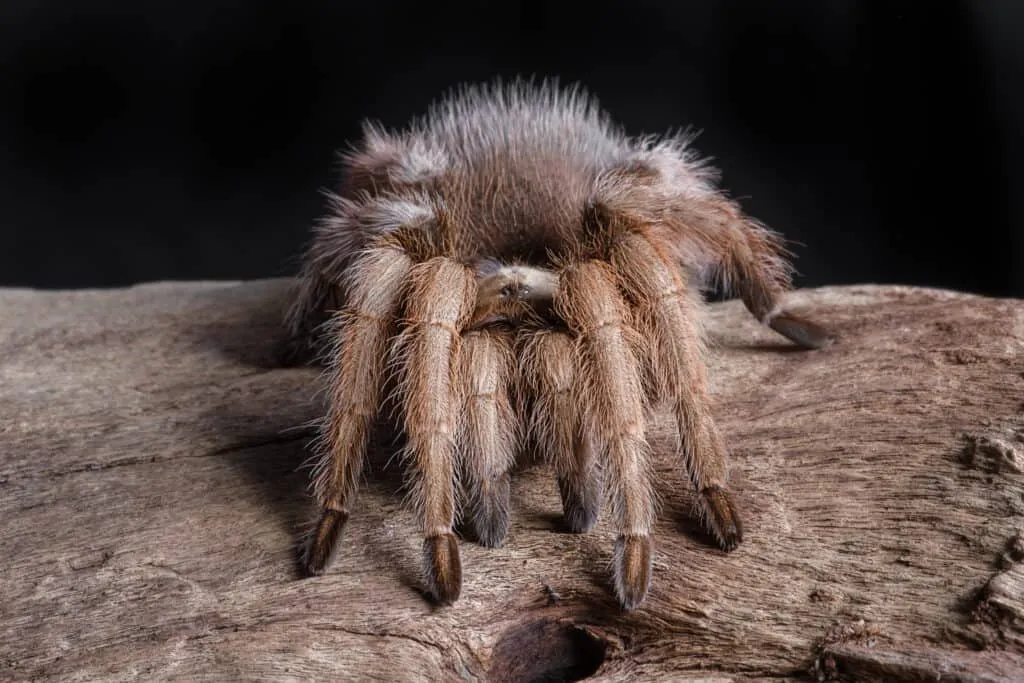
Tarantulas, with their captivating presence and relatively low-maintenance care, have become popular pets. One of the most crucial aspects of tarantula care is providing adequate hydration. Understanding how long a tarantula can survive without water is essential for responsible pet ownership. This article explores the factors affecting a tarantula’s ability to endure periods without water, the signs of dehydration, the impacts it can have, and how to ensure your eight-legged friend stays healthy and hydrated. Ensuring your tarantula has access to water is paramount for its well-being, and this guide will provide you with the necessary knowledge to care for your pet effectively.
How Long Can a Tarantula Go Without Water
The amount of time a tarantula can survive without water is variable, depending on several factors. Generally, a tarantula can endure for several weeks or even months without direct access to a water source, but this is not a sustainable situation and should be avoided. Survival times are estimates, and the spider’s overall health, age, and specific environmental conditions play significant roles in how long it can last. It’s crucial to understand these influencing factors to provide the best care possible and to ensure a happy life for your tarantula.
Factors Affecting Tarantula Survival
Species and Their Water Needs

Different tarantula species have varying water requirements. Some species, particularly those from arid environments, can withstand longer periods without water than others. Conversely, species from humid regions need more frequent access to water. Researching the specific needs of your tarantula’s species is fundamental to providing appropriate care. Some species might be more resilient than others, but it is essential to not test the limits of your tarantula; instead, offer consistent access to fresh, clean water to keep it thriving.
Environmental Conditions & Hydration
The environmental conditions in a tarantula’s enclosure are crucial in determining how long it can survive without water. Temperature and humidity significantly impact hydration levels. If the enclosure is too warm or too dry, water evaporates faster, increasing the risk of dehydration. Maintaining appropriate environmental conditions is as important as providing access to water itself.
Temperature’s Impact
Higher temperatures accelerate the rate of water loss through evaporation and the tarantula’s exoskeleton. When the enclosure’s temperature rises, tarantulas lose moisture more quickly, making them more susceptible to dehydration. Keeping the temperature within the appropriate range is critical, especially for tarantulas in warmer environments.
Humidity’s Role

Humidity levels directly affect a tarantula’s ability to retain water. Higher humidity helps to reduce water loss, while lower humidity increases the risk of dehydration. Many tarantulas thrive in humidity levels between 60-80%, though this can vary based on the species. Regular monitoring and adjustment of humidity levels are vital for the tarantula’s health, ensuring it has sufficient moisture to survive and thrive.
Signs of Dehydration in Tarantulas
Recognizing the signs of dehydration is essential for timely intervention. Dehydrated tarantulas often exhibit specific behavioral and physical symptoms. Early detection and treatment can prevent serious health issues. Monitoring your tarantula’s behavior and physical condition will help you catch dehydration early and prevent it from escalating into a critical condition. Knowing the warning signs is key to being a good tarantula owner.
Behavioral Changes
Behavioral changes can indicate dehydration. A dehydrated tarantula may become lethargic, move slowly, or spend more time hiding. They might also lose their appetite, refusing to eat even if food is available. Any noticeable shifts in your tarantula’s usual activity levels should prompt an assessment of its hydration status.
Physical Symptoms

Physical symptoms are more easily observed and often provide a clear indication of dehydration. These symptoms include a wrinkled abdomen, sunken eyes, or a lack of turgor (the plumpness or firmness of tissues). A dehydrated tarantula’s abdomen will appear deflated. These physical changes are clear indicators that your tarantula needs immediate access to water and possibly more humid conditions.
Impacts of Dehydration
Dehydration can have various impacts on tarantulas, ranging from short-term discomfort to long-term health problems. Understanding these effects will emphasize the significance of providing adequate hydration. Addressing dehydration quickly and appropriately can prevent significant health issues and ensure your pet’s well-being.
Short-Term Effects
In the short term, dehydration can cause lethargy, loss of appetite, and difficulties during molting. Molting is a crucial process where tarantulas shed their exoskeletons to grow, and adequate hydration is vital for a successful molt. Dehydration can complicate molting, increasing the risk of the tarantula getting stuck or experiencing other molting issues.
Long-Term Consequences

Chronic dehydration can lead to more severe problems. It can weaken the tarantula’s immune system, making it more susceptible to diseases. Prolonged dehydration also affects the tarantula’s overall health, potentially reducing its lifespan. Regular monitoring and proactive hydration management are crucial for preventing such long-term health issues, ensuring your tarantula enjoys a long and healthy life.
Providing Water for Your Tarantula
Providing your tarantula with consistent access to clean water is essential for its well-being. There are several methods to ensure proper hydration. Using the correct water sources and implementing effective hydrating techniques are important practices for a tarantula owner.
Water Bowl Options
A shallow water bowl is a standard and effective method for providing water. The bowl should be shallow enough to prevent the tarantula from drowning, especially for smaller species or spiderlings. Water bowls are typically made of plastic or ceramic, and they should be cleaned regularly to prevent bacterial growth. Always use fresh, clean water to ensure the spider’s health.
Misting Techniques

Misting the enclosure is another way to provide hydration, especially for species that drink from droplets. Use a spray bottle to mist the enclosure walls and substrate gently. Ensure the water is free of chemicals and minerals. Misting should be done regularly, but avoid over-misting, which can create an overly humid environment and lead to mold growth. Observe your tarantula’s behavior to determine how often to mist.
Preventing Dehydration
Preventing dehydration involves careful management of the tarantula’s environment and consistent monitoring of the tarantula’s well-being. Implementing these preventive measures can minimize the risk of dehydration. Proactive care is the best approach to ensure your tarantula remains healthy and hydrated.
Monitoring Humidity
Regularly check the humidity levels in the enclosure using a hygrometer. Adjust the humidity based on your tarantula’s species-specific needs. Too much or too little humidity can be detrimental. A balanced approach to humidity ensures your tarantula stays hydrated. This is critical for preventing dehydration.
Appropriate Substrate

Choosing the right substrate also plays a vital role. Substrate should be capable of retaining moisture to help maintain humidity levels. Coconut fiber, peat moss, and vermiculite are popular choices. Avoid substrates that dry out quickly. The appropriate substrate will help to regulate the humidity, reducing the chances of your tarantula becoming dehydrated.
Conclusion
Providing adequate water is non-negotiable for tarantula care. While the exact survival time without water varies depending on several factors, consistent access to hydration is essential for the tarantula’s health and longevity. By understanding the various factors that affect hydration, recognizing the signs of dehydration, and providing proper care, you can ensure your pet thrives. Prioritizing your tarantula’s hydration needs is not just about survival; it’s about providing it with a healthy and fulfilling life. Careful attention to detail and consistent care will keep your tarantula healthy and happy.