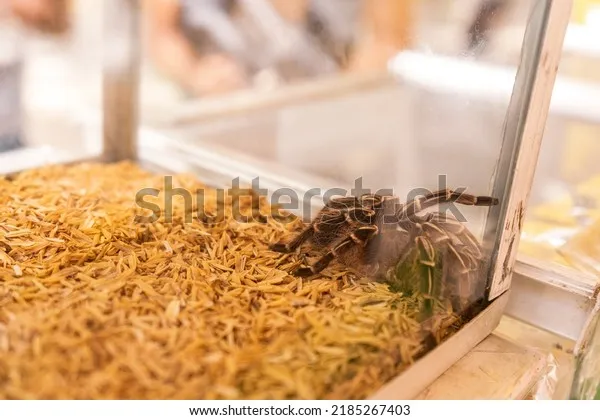
Why Consider Tarantula Tank Mates?
Keeping a tarantula can be a rewarding experience, and the idea of adding tank mates to your tarantula’s enclosure might seem unusual, even a bit risky to some. However, carefully selected tank mates can offer several benefits, contributing to a healthier and more stimulating environment for your tarantula. These tank mates can help maintain a cleaner enclosure by consuming waste, provide a more naturalistic habitat, and in some cases, even offer a food source. Before introducing any tank mates, however, thorough research and careful consideration are essential. The goal is to create a harmonious environment where both the tarantula and its tank mates can thrive. This involves understanding the specific needs of both species and making informed choices to ensure their well-being. Selecting the right tank mates isn’t just about aesthetics; it’s a critical aspect of responsible tarantula care, significantly impacting the overall health and happiness of your pet.
The Benefits of Choosing Tank Mates
The primary benefits of incorporating tank mates revolve around enhancing the tarantula’s living environment. One significant advantage is the natural cleanup service they provide. Certain invertebrates, like isopods and springtails, act as efficient decomposers, consuming decaying organic matter, such as uneaten food and waste. This helps to keep the enclosure cleaner, reducing the risk of mold and bacterial growth, which can be detrimental to the tarantula’s health. A well-maintained enclosure is vital for a thriving tarantula. Moreover, some tank mates can contribute to a more enriching environment. The presence of these creatures can add a level of activity and interest to the enclosure, mimicking a more natural setting. While it is important to avoid introducing any that may be potential prey, the right tank mates can create a dynamic environment, potentially stimulating natural behaviors in your tarantula. It is essential to note that the choice of tank mates is crucial to avoid conflict, and the selection must be compatible to the tarantula’s species and temperament.
Top 5 Tarantula Tank Mates Choices
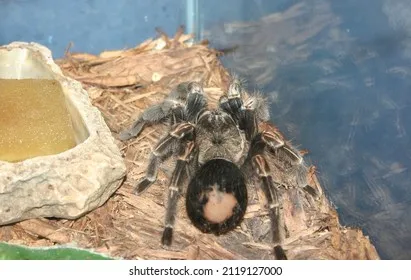
Choosing the right tank mates is a critical decision, and this section will explore five excellent options, carefully considering their compatibility and benefits for your tarantula. Each of these choices offers unique advantages, helping to create a thriving and balanced ecosystem within the tarantula’s enclosure. Selecting the right species that are compatible with tarantulas is vital to success.
Dwarf Geckos
Dwarf geckos, such as the mourning gecko or the gold dust day gecko, can make interesting tank mates for larger tarantula species. However, it’s crucial to select the right gecko species and ensure the tarantula is large enough to prevent the gecko from becoming a potential meal. Generally, the gecko should be smaller than the tarantula, and the enclosure must be spacious enough for both creatures to have their own territories. It is vital to carefully observe their interactions, and have a plan to separate them if any aggressive behavior is observed. Dwarf geckos add an interesting dynamic to the enclosure with their activity, and contribute to a more natural environment. Ensure that appropriate food and water is provided to both tarantula and the gecko to prevent conflicts.
Pros of Dwarf Geckos
The primary advantage of dwarf geckos as tank mates is the added visual interest and activity they bring to the enclosure. They actively hunt small insects, which can help to keep the enclosure free of pests. They also often have similar environmental requirements as many tarantula species, making it easier to maintain proper temperature and humidity levels. Additionally, geckos are generally hardy and can tolerate minor fluctuations in their environment. If the right species are selected, and the tarantula is large enough, they can coexist without significant issues, offering a unique aspect to the terrarium setup. Remember, however, it is very important to monitor behavior.
Cons of Dwarf Geckos

The biggest drawback of using geckos is the risk of predation. If the tarantula is larger, the gecko could become a food source. Even if the tarantula doesn’t eat the gecko, there is a risk of aggression or stress. Also, they can introduce parasites or diseases that might affect the tarantula. Furthermore, it can be tricky to provide adequate food for both creatures without causing an overpopulation of insects or disrupting the balance of the enclosure. It’s very important to select compatible species and closely observe their interactions to avoid any negative consequences. Dwarf geckos, even if small, can sometimes be a risk, which is why it is best to pick a smaller species. Always be vigilant and have a backup plan.
Millipedes
Millipedes are another option that can make great tank mates, as they are generally peaceful and play a role in the ecosystem. They act as decomposers, breaking down organic matter like leaf litter and decaying food. Many species of millipedes are slow-moving and pose little threat to the tarantula. They can add to the aesthetic appeal of the enclosure, as well as providing additional benefits for the tarantula. The key to success with millipedes is selecting the appropriate species and making sure the environment is suitable for both the tarantula and the millipede.
Pros of Millipedes
Millipedes are beneficial tank mates because they serve as efficient decomposers, consuming decaying plant matter and other organic waste, therefore keeping the enclosure clean. Many millipede species are peaceful and pose no threat to the tarantula. They often have similar environmental requirements to tarantulas, making it easier to maintain temperature and humidity levels. Also, millipedes can add visual interest to the enclosure and contribute to a more naturalistic environment. They require minimal care and can thrive on leaf litter and decaying organic matter within the enclosure.
Cons of Millipedes

Some millipede species can be toxic if ingested, which might be a risk to the tarantula if it were to accidentally eat one. Large populations of millipedes can compete with the tarantula for resources, although this is rare. It’s important to select non-toxic species, and ensure that there is ample food and space to accommodate both the tarantula and the millipedes. Poorly maintained enclosures can lead to unhealthy conditions for the millipedes, which in turn could affect the tarantula. Monitoring the enclosure’s conditions is essential to ensure a healthy and balanced environment for both inhabitants.
Isopods
Isopods, often referred to as pill bugs or sow bugs, are excellent cleanup crew members. They are incredibly effective at consuming decaying organic matter, such as leaf litter, uneaten food, and waste, helping to keep the enclosure clean. They also aerate the substrate by burrowing, which helps to prevent the growth of mold and bacteria. Isopods are generally harmless to tarantulas and are small enough that they won’t be a threat. However, they can reproduce quickly and are essential to the balance and overall health of the enclosure.
Pros of Isopods
Isopods are excellent for maintaining a clean enclosure. They consume decaying organic matter, uneaten food, and waste, which prevents mold and bacterial growth. They also aerate the substrate by burrowing, which helps to maintain a healthy environment for the tarantula. They are generally harmless to tarantulas and are small enough to avoid any potential issues. They require very little maintenance and will thrive in the conditions suitable for tarantulas, making them a low-effort addition to the enclosure.
Cons of Isopods

While rare, a very large population of isopods could potentially compete with the tarantula for resources, though this is unlikely with a well-fed tarantula. There is a small possibility that isopods could be accidentally consumed by the tarantula if they are small enough, but this is generally not a concern. Some species of isopods can be more sensitive to changes in humidity and temperature, so it’s essential to choose a species that can thrive under the same conditions as your tarantula. Overpopulation of isopods can sometimes occur, which might necessitate periodic removal or adjustment of the population within the enclosure.
Springtails
Springtails are another essential part of the cleanup crew and are a beneficial addition to any tarantula enclosure. These tiny insects thrive in humid environments and are exceptionally effective at consuming mold, fungus, and decaying matter. They also help aerate the substrate. Springtails are very small and won’t bother the tarantula, and they are a great addition for beginners, and will improve the enclosure environment. Their presence helps to keep the enclosure clean and reduces the risk of bacterial problems. Springtails are a great addition to the tarantula enclosure setup.
Pros of Springtails
Springtails are incredibly effective at consuming mold, fungus, and decaying matter, which helps to keep the enclosure clean and prevents the growth of harmful bacteria. They aerate the substrate. They are harmless to tarantulas because they are very small, and they multiply rapidly, establishing a self-sustaining population. They require very little maintenance and can thrive in the same conditions as the tarantula, making them a very easy and beneficial addition to the tank.
Cons of Springtails

The only real con associated with springtails is that you might not see them. They are small and often hidden within the substrate. Also, they can sometimes escape the enclosure if the humidity or ventilation isn’t correctly managed, however this is not a major issue. They require a humid environment, and in enclosures with poor ventilation they can multiply more quickly. There is usually nothing to worry about, and they are a great addition.
Other Tank Mate Considerations
When selecting tank mates for a tarantula, there are several other factors to take into account to ensure their safety and well-being. It is critical to ensure that the chosen tank mates won’t compete with the tarantula for food or resources. The tank mates shouldn’t introduce diseases or parasites that could affect the tarantula’s health. The enclosure size should be large enough to provide enough space for both creatures to coexist comfortably, and it is very important to carefully observe their interactions. Monitoring the tarantula and its tank mates for any signs of stress or aggression is an ongoing process. It is important to be prepared to separate the tarantula and its tank mates if any conflict occurs, and do your research on the species before adding them to the terrarium.
Tank Size
The size of the enclosure is a significant consideration when planning to add tank mates. A larger enclosure is essential to provide enough space for both the tarantula and its tank mates to move and establish their own territories. This is critical in reducing the likelihood of conflict and stress. Overcrowding can create tension, and it could be dangerous for the tank mates and the tarantula. Ensure the enclosure is adequately sized to accommodate both species comfortably, which is especially true if you are considering adding a larger tank mate, such as a gecko. Provide plenty of space and hiding places, making the enclosure a safe and enriching environment for all its inhabitants. The general rule is that larger is always better.
Temperature and Humidity

Maintaining the appropriate temperature and humidity levels is very important. The tank mates should have similar environmental requirements to the tarantula. This makes it simpler to ensure both species are comfortable and healthy. Before introducing the new species to the terrarium, research their needs to ensure compatibility. If there are differences, it’s better to avoid adding the tank mate altogether. The tarantula’s health and the tank mate’s well-being depend on the right temperature and humidity levels, so ensure that you can meet both species’ needs. Accurate monitoring of the temperature and humidity levels is critical.
Feeding Requirements
Feeding the tank mates requires a careful approach. The tank mates shouldn’t compete with the tarantula for food, and they shouldn’t be fed with a diet that could potentially harm your tarantula. If you are adding species that hunt other insects, ensure the tarantula gets sufficient food. If the tank mates consume uneaten food, this can be a great advantage. Be very observant and adjust your feeding strategies as required to cater to all the tank inhabitants’ needs. It is critical to watch for uneaten food, or it may lead to issues.
Conclusion
Adding tank mates to your tarantula enclosure can be a great experience, offering several benefits, including natural cleanup, and a more stimulating environment. Careful selection, research, and continuous monitoring are vital for success. By choosing compatible tank mates, such as dwarf geckos, millipedes, isopods, and springtails, you can create a thriving, balanced ecosystem. However, always prioritize the safety and well-being of your tarantula, and be prepared to act if any issues arise. With thoughtful planning, your tarantula and its tank mates can coexist peacefully, adding to your enjoyment of this amazing hobby.
Recap of Top 5 Choices
Here’s a recap of the top 5 tank mates:
Dwarf Geckos: Bring visual interest and activity, but predation is a risk.
Millipedes: Peaceful decomposers, keeping the enclosure clean.
Isopods: Excellent cleanup crew, consuming decaying matter.
Springtails: Essential cleanup crew, controlling mold and fungus.
Always remember to research the species, and monitor your tarantula.