Tarantula Facts Unveiled
Tarantulas, those hairy giants of the spider world, are often met with fear and fascination. But beneath their intimidating appearance lies a world of intriguing facts. These creatures, which have roamed the Earth for millions of years, possess a complex biology and exhibit fascinating behaviors. This article will delve into five of the most interesting facts about tarantulas, exploring their unique adaptations, behaviors, and the secrets of their survival. From their ability to produce silk to their elaborate mating rituals, we will uncover the marvels of these often-misunderstood arachnids.
Tarantula Silk Production
Tarantulas, like other spiders, are masters of silk production. While not as widely known as the silk produced by orb-weavers for webs, tarantula silk plays a crucial role in their survival. They use it for a variety of purposes, including creating a safe haven for themselves, especially during molting. Tarantula silk is incredibly strong and versatile, making it an essential tool in their daily lives. They can produce different types of silk for various applications, showcasing their adaptability and ingenuity.
The Strength of Tarantula Silk

Tarantula silk is remarkably strong, pound for pound, it is stronger than steel. This incredible strength comes from the complex protein structures that make up the silk fibers. The composition of the silk allows it to withstand significant force without breaking. The toughness of the silk ensures that tarantulas can use it to create secure shelters and lines for climbing, withstanding the rigors of their environments and protecting them from predators and the elements.
How Tarantulas Use Silk
Tarantulas use their silk in a variety of ways. They line their burrows with silk, creating a comfortable and secure home. Silk is also used to create trip lines that alert them to the presence of potential prey or predators. During molting, they create a silk mat to anchor themselves and provide a safe surface. Males often use silk to create sperm webs, where they deposit their sperm before transferring it to the female. Furthermore, they can use silk to wrap their prey, immobilizing them before feeding.
Tarantulas and Their Venom
Tarantulas possess venom, a tool essential for hunting and self-defense. Their venom is complex, containing a mixture of toxins that target the nervous systems of their prey. Despite common misconceptions, tarantula venom is generally not lethal to humans, though a bite can be painful. The effects of the venom vary depending on the species of tarantula and the amount injected. The primary purpose of tarantula venom is to subdue and kill prey, allowing the spider to feed.
The Purpose of Tarantula Venom

The primary purpose of tarantula venom is to immobilize prey. The venom contains neurotoxins that disrupt the prey’s nervous system, causing paralysis. This allows the tarantula to safely capture and consume its meal. The venom also contains enzymes that begin the process of breaking down the prey’s tissues, making it easier for the tarantula to digest its food. This combination of paralysis and pre-digestion makes venom an essential tool for tarantula survival.
Venom’s Effect on Prey
When a tarantula bites its prey, the venom rapidly takes effect. Insects and small animals quickly become paralyzed. The tarantula then uses its chelicerae (fangs) to inject digestive enzymes into the prey. These enzymes break down the internal organs of the prey, turning it into a liquid meal. The tarantula then sucks up this nutritious fluid, leaving behind the exoskeleton or other indigestible parts. The effectiveness of the venom is a key factor in the tarantula’s ability to thrive in its environment.
Tarantulas’ Unique Sensory Systems
Tarantulas have developed sophisticated sensory systems that allow them to navigate their environments and hunt effectively. They possess a variety of sensory organs, including hairs, and other sensory structures. Their ability to sense vibrations, smells, and even air currents helps them detect prey, avoid predators, and find mates. These sensory systems are crucial for their survival in diverse habitats. These amazing creatures have the ability to survive and thrive in environments where many others cannot.
Tarantula’s Hairs

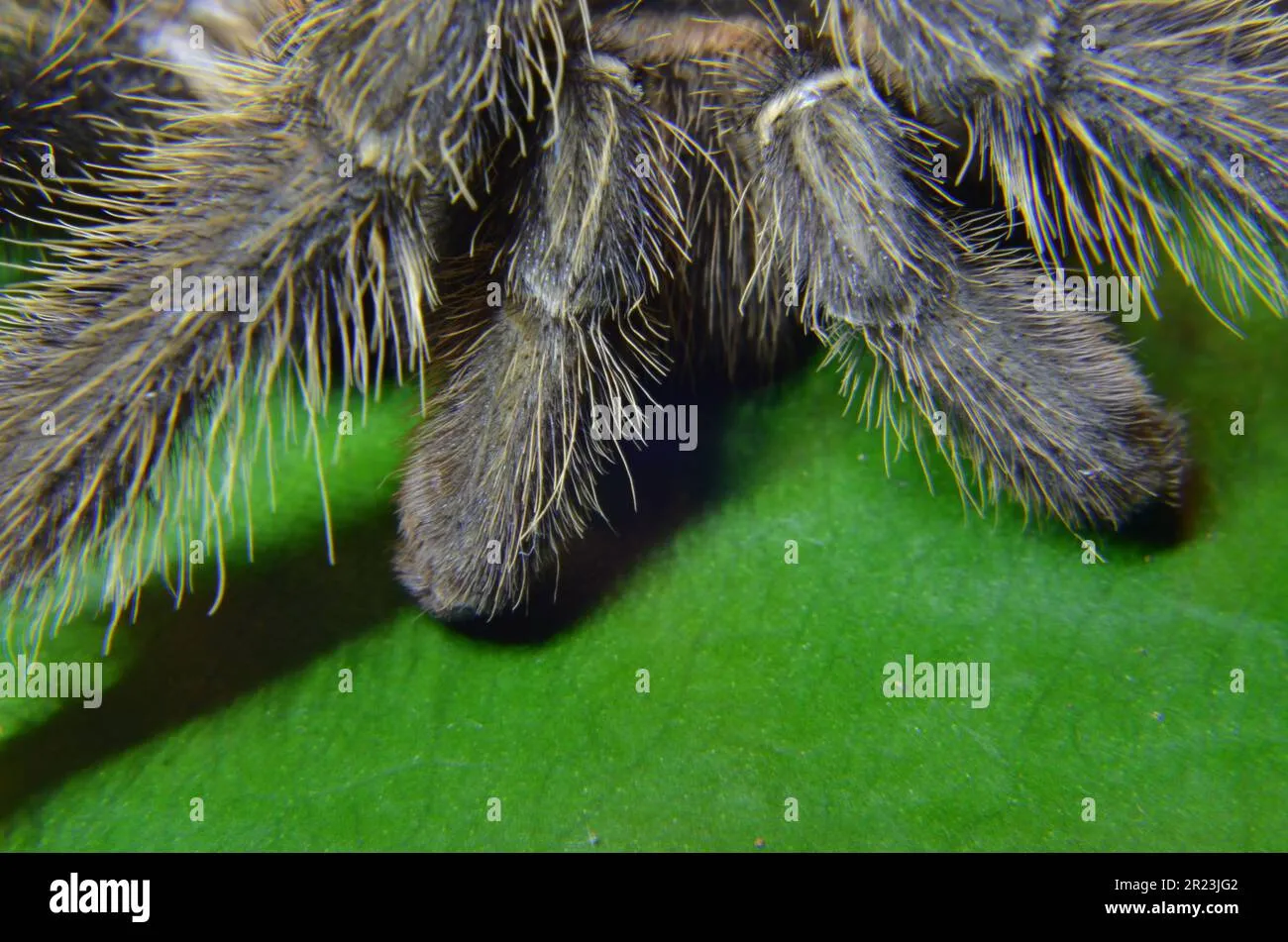
Tarantulas are covered in hairs called setae, which play a crucial role in their sensory perception. Some of these hairs are sensitive to vibrations, allowing the tarantula to detect movement in its surroundings. Others are chemoreceptors, which are used for detecting odors and chemical signals. They also possess urticating hairs, which are used as a defense mechanism. When threatened, the tarantula can flick these hairs towards potential predators, causing irritation and discouraging attack.
How Tarantulas Regulate Their Body Temperature
Tarantulas are ectothermic, meaning they rely on external sources of heat to regulate their body temperature. They can’t produce internal heat like mammals. As such, they use a variety of methods to maintain their optimal body temperature, which is essential for their metabolism and survival. This includes seeking shade, basking in the sun, and adjusting their activity levels based on the temperature of their surroundings. These mechanisms help them to thrive in a wide range of environments.
Thermoregulation Techniques
Tarantulas utilize various thermoregulation techniques to control their body temperature. In hot conditions, they may retreat to cooler burrows or shaded areas to avoid overheating. During cooler times, they may bask in the sun to absorb heat. Some species also position themselves to maximize exposure to or minimize exposure from sunlight. Through these behaviors, tarantulas maintain a relatively stable body temperature, which is vital for their survival and well-being. Moreover, maintaining the proper temperature allows the tarantula to properly digest food.
Tarantula Molting

Molting is a crucial process for tarantulas, allowing them to grow and replace their exoskeleton. As they grow, their outer shell becomes too small, so they shed it and form a new, larger one. The process is a vulnerable time for the tarantula, as they are soft-bodied and defenseless. Molting frequency depends on the tarantula’s age, with younger tarantulas molting more often than adults. It is a fascinating process that showcases the resilience and adaptability of these creatures.
The Process of Molting
The molting process begins with the tarantula forming a new exoskeleton beneath the old one. The old exoskeleton then splits open, and the tarantula slowly crawls out. This is a delicate and energy-intensive process. After molting, the tarantula is soft and vulnerable. It will typically remain in a protected location until its new exoskeleton hardens. During this time, the tarantula will often refuse food. The entire process can take several hours to days depending on the size of the tarantula.
Interesting Behaviors
Beyond the basics of survival, tarantulas exhibit a variety of fascinating behaviors. From their defense mechanisms to their elaborate mating rituals, these arachnids display complex and often surprising actions. Understanding these behaviors helps us to appreciate their unique adaptations and the rich diversity of life on Earth. One such behavior is tucking their legs in, which they do for a variety of reasons.
Tarantula Legs Tucked In

One of the most intriguing behaviors of tarantulas is tucking their legs in. When a tarantula tucks in its legs, it draws them close to its body, often against its carapace or abdomen. This seemingly simple action can serve several purposes, from protection to thermoregulation. Understanding why tarantulas tuck their legs in can provide valuable insights into their well-being and behavior.
Reasons for Tucking In
One primary reason for tarantulas tucking their legs in is for defense. When threatened, a tarantula may tuck its legs to make itself appear smaller and less vulnerable. This can be a defensive posture against predators, reducing the surface area available for attack. Another reason is to conserve energy. By drawing their legs close, they can reduce the amount of heat lost to the environment, which is particularly relevant when it’s cold. Moreover, leg tucking can be a sign of stress. A tarantula might tuck its legs in if it feels unsafe or is experiencing discomfort.
What to Do When It Happens
If you observe your tarantula tucking its legs in, it’s essential to assess the situation. If it’s a rare occurrence, the tarantula may just be resting or settling. However, if the behavior is persistent, it might be a sign of a problem. Check the enclosure for any potential stressors, such as excessive heat or cold, lack of hiding places, or overcrowding. Ensure the tarantula has adequate access to fresh water and is eating properly. Consult with a veterinarian or experienced tarantula keeper if you’re concerned about your tarantula’s well-being.
Mating Rituals

Tarantula mating rituals are complex and fascinating displays of behavior. Male tarantulas engage in elaborate courtship dances to attract females. These dances may include tapping their pedipalps (mouthparts) or legs, and vibrating their bodies. The male must approach the female cautiously to avoid being mistaken for prey. The goal of these mating rituals is to showcase the male’s health and fitness, ensuring a successful mating and the propagation of their genes.
The Mating Dance
The mating dance is a critical part of the tarantula mating process. The male tarantula will use a variety of movements to attract the female, including the tapping of his pedipalps on the ground. Once the male has attracted the female, he deposits sperm on a sperm web which he then transfers to the female. After successful mating, the female will lay eggs and protect them until they hatch. The mating dance and rituals vary greatly between different species.
Conclusion
Tarantulas are amazing creatures with a host of interesting facts that make them the interesting creatures that they are. They are not only complex but also display unique behaviors. From their ability to produce strong silk and their defensive mechanisms to their elaborate mating rituals, they have much more than meets the eye. Through understanding these facts, we gain a greater appreciation for the natural world and the diverse life forms that inhabit it. Their survival is a testament to their adaptability and the complexity of life on Earth.