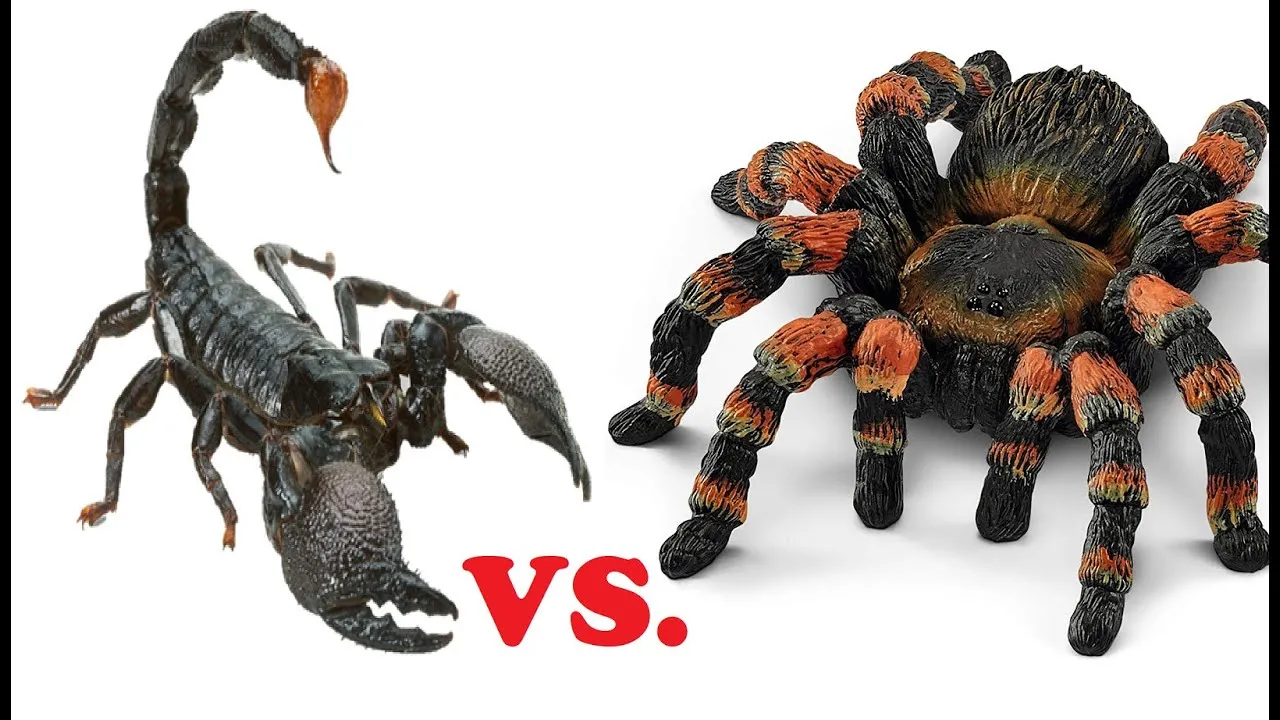
Tarantula vs Scorpion Fight A Clash of Titans
The natural world is full of dramatic encounters, and few are as captivating (and potentially deadly) as a tarantula versus scorpion fight. These arachnid adversaries, both formidable predators in their own right, represent a fascinating study in survival, strategy, and sheer brute force. Understanding the dynamics of this clash can be complex. Predicting the winner involves considering various factors, from the size and species of each combatant to the environmental conditions. This article dives deep into the intricacies of a tarantula and scorpion fight, offering insights into how to analyze and anticipate the outcome of this epic battle of the arthropods.
Understanding the Combatants
Before analyzing the fight itself, it’s essential to understand the key characteristics of the two contenders. Both tarantulas and scorpions possess unique features that contribute to their predatory prowess and survival tactics. These features determine how they approach a conflict and how they attempt to overcome their opponent. A clear comprehension of these traits allows us to better predict the course and conclusion of a fight.
Tarantula Characteristics

Tarantulas, with their hairy bodies and intimidating size, are ambush predators. They primarily rely on strength and venom to subdue their prey. Their physical attributes and hunting strategies are critical to their success in the wild. Examining these characteristics provides critical context when considering a fight.
Size and Strength
The size of a tarantula is a significant advantage in a fight. Larger tarantulas can overpower their opponents through sheer physical strength. Their powerful legs and fangs allow them to grasp and inflict serious damage. The sheer mass of a large tarantula can also be a deterrent, making it difficult for a scorpion to maneuver and attack effectively.
Venom and Fangs
Tarantulas use their fangs to inject venom, which immobilizes or kills their prey. The potency of the venom varies between species, but it generally serves to quickly incapacitate the scorpion, giving the tarantula the upper hand. The tarantula’s fangs are also crucial for piercing the scorpion’s exoskeleton.
Defensive Mechanisms

Tarantulas possess several defensive mechanisms. One of the most notable is their urticating hairs, which they can flick off their abdomen toward a threat, causing irritation. They also have the ability to bite. Additionally, their size and agility, while not as pronounced as a scorpion’s, contribute to their ability to evade attacks.
Scorpion Characteristics
Scorpions are known for their iconic appearance, and their features play a critical role in how they hunt and defend themselves. Their body structure, venom, and behavior are all designed for survival and combat. Understanding these aspects is crucial to predicting the outcome of a tarantula-scorpion battle.
Size and Strength
Scorpions vary in size depending on the species, but generally, they are more agile than tarantulas. Their strong claws (pedipalps) are used to grasp and crush prey, and they also possess a flexible body that allows them to strike in multiple directions. Their agility and ability to maneuver are important considerations.
Venom and Stinger

The scorpion’s stinger, located at the end of its tail, is its primary weapon. The venom injected through the stinger is designed to paralyze or kill its prey. The potency of the venom varies, but it can be very effective against tarantulas. A well-placed sting can quickly turn the tide of a battle.
Defensive Mechanisms
Scorpions have a tough exoskeleton, providing protection against attacks. They also employ their claws to grasp and defend themselves. Their agility enables them to quickly move out of the way of threats. They can also curl their tail over their body to defend themselves, using the stinger.
Factors Influencing the Outcome
Several factors can significantly impact the outcome of a tarantula versus scorpion fight. These include size and species, which determine the strengths of each opponent, and environmental conditions, which affect their behavior and performance. Evaluating these aspects can provide a more precise estimate of the winner.
Size and Species

The size difference between a tarantula and a scorpion is a key factor. Generally, a larger tarantula has a higher chance of winning due to its superior strength and reach. However, the species of both the tarantula and scorpion can also affect the outcome. Some scorpion species have more potent venom, and some tarantula species are more aggressive or possess more effective defensive mechanisms.
Environmental Conditions
Environmental factors, such as temperature and humidity, can also influence the outcome of a fight. Warmer temperatures can make both animals more active and aggressive. Humidity levels can affect the effectiveness of venom. The availability of cover, such as rocks or burrows, can also provide a tactical advantage to either combatant, enabling it to evade attacks or ambush its opponent.
The Fight Itself
The fight between a tarantula and a scorpion is a dynamic process, comprising various stages and tactics employed by the combatants. The initial engagement, strategies, and the climax of the battle reveal the nature of their conflict. The understanding of these factors helps in anticipating the outcome of the battle.
Initial Engagement

The fight often begins with an initial assessment period, where the tarantula and scorpion may size each other up. The scorpion might try to position itself to strike, while the tarantula may adopt a defensive posture. This initial phase is vital, as the positioning and initial tactics set the stage for the rest of the fight. The first strike can often decide the ultimate victor.
Tactics and Strategies
Both the tarantula and scorpion employ a range of tactics. The tarantula may attempt to use its size and strength to overwhelm the scorpion, while the scorpion may seek to use its agility and stinger to its advantage. The tarantula might try to bite and inject venom, while the scorpion will try to strike with its stinger. Their strategies are dependent on their natural instincts and immediate situation.
The Climax
The climax of the fight is the moment when either the tarantula successfully bites the scorpion or the scorpion manages to sting the tarantula. These decisive moments can quickly change the fight’s direction. The effectiveness of the venom and the severity of the physical damage will ultimately determine the outcome. A successful sting from the scorpion may quickly paralyze the tarantula, whereas a successful bite could render the scorpion helpless.
Determining the Victor

Determining the victor involves observing the damage, assessing the immediate aftermath, and noting which animal can survive. Evaluating these aspects provides a clear picture of the outcome of the fight, allowing a precise identification of the winner.
Assessing the Damage
The amount of damage sustained by each combatant is a key indicator of the fight’s outcome. The tarantula’s bite marks and the scorpion’s sting are important factors. Assessing the scorpion’s mobility, and the tarantula’s response to any venom are crucial. Careful observation of the injuries can suggest who is in a more precarious position.
Survival and Aftermath
The ultimate victor is the one that survives. If the scorpion has successfully stung the tarantula, the tarantula may become paralyzed. If the tarantula has bitten the scorpion, the scorpion may succumb to the venom or the physical trauma. The aftermath reveals which animal is capable of recovering and adapting to the environment.
Conclusion
Predicting the winner of a tarantula versus scorpion fight is a complex yet fascinating process. Understanding the characteristics of each animal, the factors influencing the fight, and the strategies employed allows for a deeper appreciation of this natural drama. While it’s impossible to predict the outcome with certainty, a careful analysis can offer valuable insights into which of these formidable predators is most likely to emerge victorious. Observing these fights is a great study of nature’s raw power and the strategies that these creatures employ to survive.