Tarantula vs Tarantula Hawk The Epic Battle
The arid landscapes of the southwestern United States and parts of Latin America are home to an extraordinary and often brutal drama the epic battle between the formidable tarantula and its relentless predator, the tarantula hawk. This isn’t just a simple case of predator versus prey; it’s a clash of titans a testament to the raw power of nature. This blog post will delve into the fascinating world of these creatures, exploring their characteristics, behaviors, and, most importantly, who usually emerges victorious in this age-old struggle. The tarantula hawk is a wasp of exceptional size and ability, while the tarantula itself is a large, hairy spider known for its impressive size and defensive capabilities. The outcome of their encounters is rarely a simple one, with environmental factors and individual characteristics playing a significant role. Prepare to explore the intricacies of this natural conflict, where survival is the ultimate prize.
Understanding the Tarantula Hawk
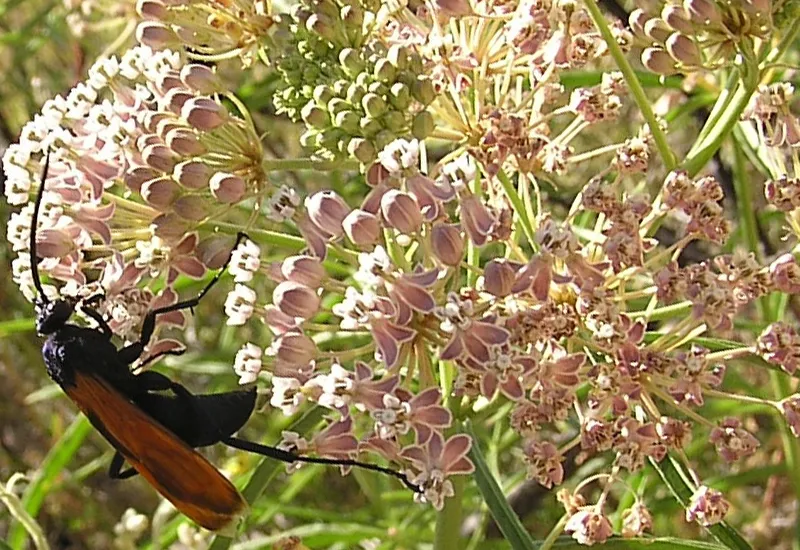
The tarantula hawk, a striking insect belonging to the Pompilidae family, is a master of its domain. These wasps are known for their impressive size, vibrant coloration, and the excruciatingly painful sting they deliver. Understanding the tarantula hawk is crucial to grasping the dynamics of its battles with tarantulas. They are not just any wasps; they are highly specialized predators. The tarantula hawk’s life cycle is intrinsically linked to the tarantula’s existence. Their primary goal is to paralyze the tarantula, lay an egg on its abdomen, and let the larva consume the still-living spider. This creates a chilling but natural scenario. The tarantula hawk represents nature at its most unforgiving and efficient, a testament to the continuous cycle of life and death within the ecosystem.
Appearance and Characteristics

Tarantula hawks are easily recognizable due to their large size and striking coloration. They often boast a deep blue-black body and vibrant orange or rust-colored wings. The females, being larger, are typically the hunters. These wasps have a powerful sting, which is considered one of the most painful stings in the insect world. They also have long, spidery legs and strong mandibles used for manipulating their prey. Their physical attributes are perfectly adapted for their predatory lifestyle, allowing them to hunt and handle tarantulas efficiently. Their appearance serves as both a warning and a testament to their power, making them a formidable presence in their environment. Their size gives them an advantage over smaller prey, and their agility allows them to navigate challenging terrains.
Habitat and Distribution
Tarantula hawks are primarily found in arid and semi-arid regions. Their range includes the southwestern United States, parts of Latin America, and other areas with suitable climates. They thrive in environments where tarantulas are abundant, as this provides them with a consistent food source for their larvae. These wasps are well-adapted to the harsh conditions of their habitats, including high temperatures and scarce water resources. They are often seen patrolling the ground in search of tarantula burrows or actively hunting in open areas. The distribution of tarantula hawks is closely tied to the presence of their prey, making them an excellent indicator species for the health of their ecosystems. Their presence indicates a balanced environment.
The Tarantula’s World A Brief Overview
Tarantulas are large, hairy spiders that inhabit a variety of environments, from forests to deserts. They are known for their imposing size, long lifespans, and relatively docile nature, though they can defend themselves when threatened. These spiders are primarily nocturnal hunters, preying on insects, small vertebrates, and other arthropods. Their lives are filled with the challenges of survival, including finding food, avoiding predators, and reproducing successfully. Tarantulas have developed several defensive mechanisms to protect themselves from threats, including their primary predator the tarantula hawk. Their behavior and adaptation tell us about the complexity of life in the wild, where every species plays a role in the balance of nature. They are a significant part of their ecosystems, playing a key role in controlling insect populations.
Tarantula Species and Behaviors

Tarantulas encompass a wide variety of species, each with unique characteristics and behaviors. Some are terrestrial, living in burrows, while others are arboreal, residing in trees. Their behaviors range from ambush hunting to active foraging. They exhibit diverse defensive tactics, including biting, flicking urticating hairs, and, in some species, stridulation (producing a hissing sound). Their size, coloration, and temperament vary significantly across species, influencing their vulnerability to predators like tarantula hawks. The study of tarantula species provides valuable insights into the diversity of life and the adaptations that enable them to thrive in different environments. The differences in species show how nature has evolved and adapted through time and circumstances.
Tarantula Defenses
Tarantulas possess several defensive mechanisms against predators, including tarantula hawks. Their primary defense is their size and powerful fangs, which can inflict a painful bite. Many tarantula species have urticating hairs on their abdomen, which they can flick at threats, causing irritation and deterring attackers. Some tarantulas also possess the ability to drop legs or autotomize, sacrificing a limb to escape a predator’s grasp. These defenses are crucial for survival, but they are often insufficient against the tarantula hawk’s specialized hunting techniques. They also hide in burrows, making them difficult to be found. Defense is an important part of the tarantula’s life.
The Hunt The Tarantula Hawk’s Strategy
The tarantula hawk’s hunting strategy is a remarkable display of precision and skill. The female wasp searches for tarantula burrows or actively hunts for spiders in the open. When a tarantula is located, the wasp engages in a carefully orchestrated attack, often utilizing a combination of aerial maneuvers and ground-based tactics. The primary goal is to paralyze the tarantula with a sting, rendering it immobile but still alive. This is essential for the wasp’s reproductive strategy. The hunt can be a dramatic and suspenseful event, showcasing the tarantula hawk’s predatory prowess and the tarantula’s struggle for survival. The wasp’s planning and execution during the hunt are crucial to its success and, ultimately, to the survival of its offspring.
Sting and Paralysis Techniques

The tarantula hawk’s sting is legendary for its excruciating pain. The wasp targets the tarantula’s nervous system, delivering a precise dose of venom that paralyzes the spider. The sting itself is a rapid process, often completed in a matter of seconds. The wasp must carefully position itself to ensure the venom reaches the correct location, disabling the spider’s ability to move or defend itself. The paralysis is not permanent; it is a temporary state that allows the wasp to complete the next stage of its plan. This paralysis, as painful as it is, is the key to the wasp’s survival and the future of its larvae. The whole process is a testament to the efficiency of nature’s design.
Egg Laying and the Tarantula’s Fate
Once the tarantula is paralyzed, the tarantula hawk drags it to a burrow or suitable location. The wasp then lays a single egg on the tarantula’s abdomen. This egg hatches into a larva, which begins to feed on the still-living, paralyzed spider. The larva consumes the tarantula from the outside, gradually consuming it over several weeks. The tarantula remains alive during this process, providing fresh food for the larva. The ultimate fate of the tarantula is to serve as a living food source for the wasp’s offspring. This cycle is a gruesome example of the predator-prey relationship. It is a brutal reminder of the constant struggle for survival that occurs in the natural world.
Analyzing the Outcomes Who Usually Wins?
In the battle between the tarantula and the tarantula hawk, the wasp is usually the victor. The wasp’s specialized hunting techniques, powerful sting, and superior agility give it a significant advantage. While tarantulas have their defenses, they are often insufficient against the wasp’s targeted attack. The outcome is almost always in favor of the tarantula hawk. Although there are exceptions, the tarantula hawk’s hunting strategy is incredibly effective, ensuring the survival of its offspring. Understanding the high success rate of tarantula hawks highlights the unique adaptations and predatory skills they have developed over time. The wasp is a far more efficient and effective hunter compared to the tarantula’s defense, making the hawk the prevailing victor.
Factors Influencing the Battle

Several factors can influence the outcome of a tarantula-tarantula hawk encounter. The size and species of both the spider and the wasp play a crucial role. A larger tarantula may have a better chance of defending itself, while a larger wasp may be more effective in its attack. Environmental conditions, such as temperature and terrain, can also affect the battle. A tarantula’s ability to find shelter or escape can increase its chances of survival, while the wasp’s ability to maneuver in challenging conditions can influence its hunting success. The individual characteristics of both the spider and the wasp, such as their health and experience, can also contribute to the final result. The battle outcome is determined by a combination of several variables.
Rare Victories
While the tarantula hawk usually wins, there are instances where tarantulas manage to escape or even defeat the wasp. These rare victories often occur due to the tarantula’s size, quick reflexes, or the wasp’s inexperience. In some cases, the tarantula may successfully defend itself by biting the wasp or using its urticating hairs to deter the attack. Environmental factors, such as the availability of shelter, can also contribute to the tarantula’s survival. These exceptions highlight the dynamic and unpredictable nature of the predator-prey relationship. The survival of a tarantula is a testament to its defense mechanisms and the unpredictability of natural events.
Implications for Ecosystems
The interactions between tarantulas and tarantula hawks have significant implications for the ecosystems they inhabit. The tarantula hawk helps regulate tarantula populations, preventing any single species from becoming overly dominant. This, in turn, promotes biodiversity. The presence of tarantula hawks indicates a healthy environment, as they depend on the existence of tarantulas. The cycle of predation and parasitism contributes to the overall balance and resilience of the ecosystem. The interactions between tarantulas and tarantula hawks are a powerful example of the interconnectedness of life and the importance of each species in maintaining the health and stability of its environment.
In conclusion, the battle between the tarantula and the tarantula hawk is a dramatic demonstration of the survival strategies employed by nature. While the tarantula may rarely win, the tarantula hawk’s specialized hunting techniques usually prevail. This age-old conflict helps balance the ecosystem. The tarantula and tarantula hawk’s ongoing interactions demonstrate the power and intricacy of the natural world. Understanding these dynamics provides insights into biodiversity and ecosystem health.