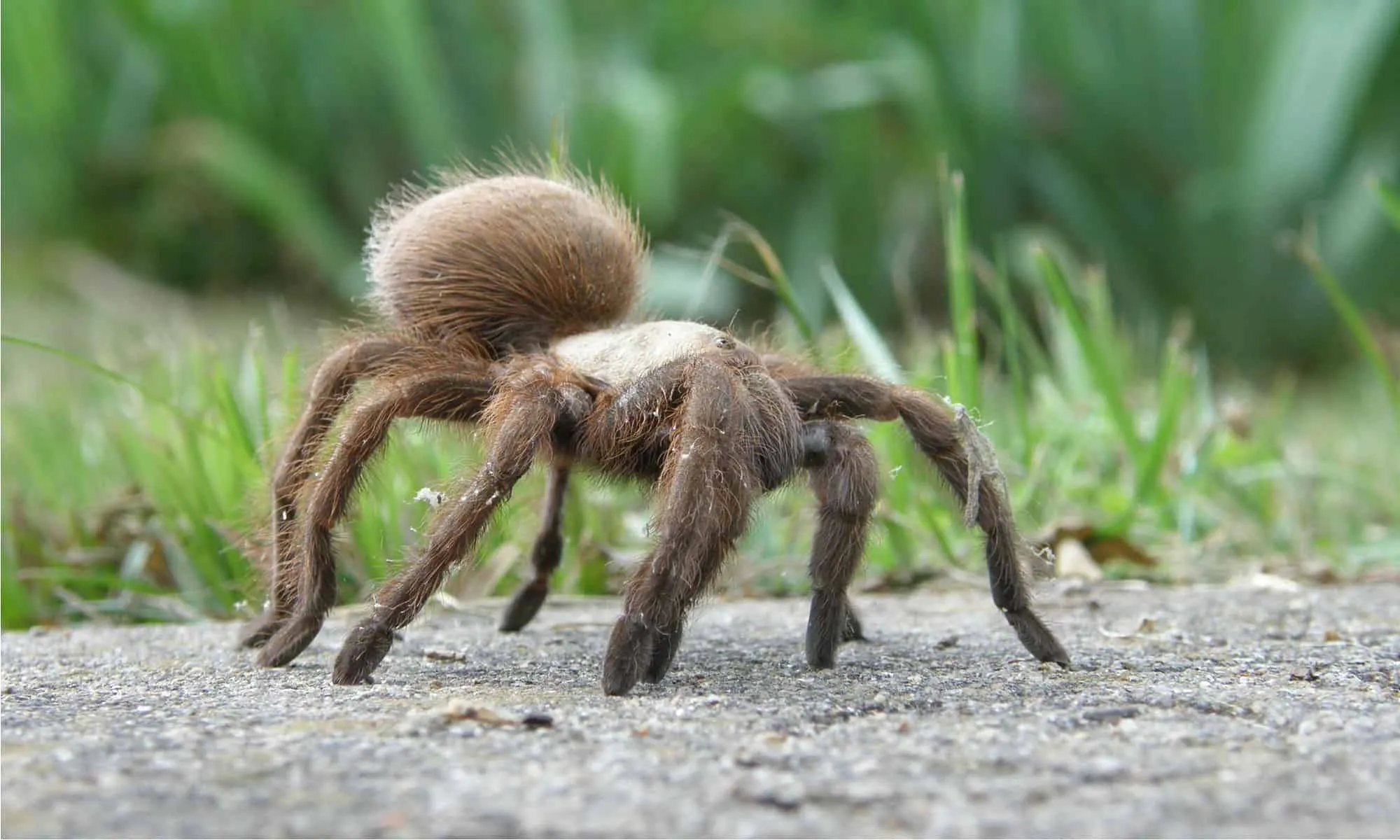
Tarantula vs. Viuda Negra The Ultimate Showdown
The world of arachnids presents a fascinating, and sometimes terrifying, array of creatures. Among the most recognized and feared are the tarantula and the viuda negra, also known as the black widow spider. This article delves into a comparison of these two iconic spiders, examining their deadly characteristics, habitats, survival strategies, and the crucial aspects of health and safety associated with each. Understanding the key differences between these creatures is essential for anyone who lives in or visits their native habitats. While both are venomous, their impact and behaviors differ greatly, making each encounter unique and potentially hazardous. This comparative analysis is designed to offer a comprehensive insight into the lives of these spiders, highlighting what makes each a formidable predator in its own right. Discovering and understanding the differences between these spiders will help to reduce fear while increasing respect for these incredible arachnids.
Lethal Weapons Tarantula vs. Viuda Negra
When comparing the tarantula and the viuda negra, it’s essential to consider their primary weapons: venom and physical size. The viuda negra is known for its highly potent venom, which, though a small amount, can be extremely dangerous to humans. Tarantulas, on the other hand, possess venom of comparatively lower toxicity but rely on their large size and imposing fangs for defense. Furthermore, they can also use urticating hairs as a defense mechanism, which can cause skin irritation. The viuda negra’s venom, a neurotoxin, affects the nervous system, leading to muscle cramps, nausea, and other severe symptoms. The tarantula’s venom is primarily used to subdue prey, with effects on humans generally milder, often causing pain and localized swelling. The disparity in the nature and impact of their respective venoms underscores the different survival strategies these spiders have evolved.
Venom Composition Differences

The venom of the viuda negra is a complex mixture of toxins, primarily alpha-latrotoxin, that disrupts nerve function. Alpha-latrotoxin causes massive release of neurotransmitters, leading to the characteristic symptoms of a black widow bite. Conversely, tarantula venom is composed of a variety of compounds, including enzymes and peptides, that target prey. While not as potent to humans as the viuda negra’s venom, tarantula venom can still cause localized pain and inflammation. The difference in venom composition reflects the different evolutionary pressures these spiders have faced; the viuda negra’s potent venom is a critical adaptation for quickly subduing small prey, while the tarantula’s venom, alongside physical size, is designed for larger prey and defense.
Toxicity Levels for Humans
The toxicity of the venom differs significantly when considering its effect on humans. A viuda negra bite is considered medically significant and can cause serious symptoms. The venom’s neurotoxic properties can lead to severe pain, muscle cramping, and, in extreme cases, complications. Tarantula bites, on the other hand, are typically less serious. Though painful, they rarely lead to life-threatening complications. The reaction to a tarantula bite is more likely to involve localized pain, swelling, and redness at the bite site. While allergic reactions are possible with any bite, the overall impact of a tarantula bite is generally less severe than that of a viuda negra.
Bite Symptoms and Effects
Recognizing the symptoms of a bite from either spider is crucial for appropriate medical response. A viuda negra bite often causes sharp pain at the bite site, followed by muscle cramps, abdominal pain, and increased blood pressure. Other symptoms include nausea, headache, and sweating. Symptoms usually develop within hours of the bite. For a tarantula bite, the primary symptoms are localized pain, redness, and swelling. While there may be itching or discomfort, systemic symptoms are rare. Seeking medical attention is critical if a viuda negra bite is suspected, while a tarantula bite can often be managed with basic first aid and observation, but always consult a doctor to be safe.
Tarantula vs. Viuda Negra Habitat and Range

The habitats of tarantulas and viuda negras are quite diverse, reflecting their different evolutionary adaptations and ecological niches. Understanding where these spiders live is essential for avoiding encounters and understanding their behavior. The geographical ranges overlap in certain regions, leading to the potential for interaction and competition between these two formidable arachnids. The availability of suitable habitats influences their distribution and the types of prey they are likely to encounter. This overview of their habitats provides a clearer picture of the environmental factors that shape their lives, and their interactions with other species.
Viuda Negra’s Preferred Environments
Viuda negras are found in a variety of habitats, generally preferring warm climates. They construct webs in sheltered areas, such as under rocks, in woodpiles, or in undisturbed corners of human structures. Their preference for secluded locations helps them to avoid predators and ambush unsuspecting prey. Viuda negras are commonly found in North and South America, Australia, and parts of Europe. The presence of prey, like insects, is crucial for their survival, so they are frequently located in areas with abundant insect populations. Their adaptability to different environments has enabled them to thrive in a range of ecosystems, from deserts to forests.
Tarantula Habitat Preferences
Tarantulas, on the other hand, have a wider distribution but often prefer tropical and subtropical regions. They can be found in various habitats, including grasslands, forests, and deserts. Many tarantula species are ground-dwelling, living in burrows they dig themselves or occupy abandoned ones. Others are arboreal, residing in trees. They are adapted to a range of climates, with most species favoring warmer temperatures. Their habitat choice often depends on the availability of suitable prey, shelter, and soil conditions for burrowing. The presence of varied terrains and vegetation offers tarantulas a range of hunting opportunities and protection from predators.
Survival Strategies and Behaviors

Both tarantulas and viuda negras employ unique survival strategies shaped by their evolutionary history and environmental pressures. The behaviors of hunting, defense, and predator avoidance distinguish them in their respective ecological roles. Understanding these strategies offers a deeper appreciation for the resilience and adaptability of these arachnids. Their different approaches to survival reflect the varied challenges they face in their environments, contributing to the overall biodiversity of their habitats. These strategies dictate their interactions within their ecosystem, influencing the dynamics of prey populations and predator-prey relationships. The key to survival for both is the ability to adapt to their circumstances, and thrive, despite the ever-present dangers.
Hunting Techniques
Viuda negras are ambush predators that construct irregular webs to capture their prey. Once an insect becomes entangled, the spider quickly approaches and injects venom to immobilize it. They primarily feed on insects, although they have also been known to consume other spiders and even small vertebrates that become trapped in their webs. Tarantulas, being ambush predators, often hunt at night, waiting for prey to come within striking distance. They use their large fangs to inject venom. Their diet mainly consists of insects, but they can also catch larger prey, such as small lizards, rodents, and birds. Their hunting styles, though different, are equally effective for their specific environments.
Defensive Mechanisms
For defense, viuda negras rely on their potent venom and their habit of retreating to their webs. They are not aggressive spiders but will bite if threatened. Tarantulas have several defensive mechanisms. Besides their venom, they use urticating hairs, which they flick at potential threats. These hairs cause skin irritation and can deter predators. They will also rear up, showing their fangs, as a warning. The difference in their defense strategies reflects their overall size and vulnerability; viuda negras depend on a stealthy approach and a potent venom, while tarantulas use a combination of physical defenses and a less potent venom.
Predator Avoidance Strategies

Both species employ different tactics to avoid predators. Viuda negras are often cryptic, blending with their surroundings to avoid detection. Their web structure offers a degree of protection by being in sheltered locations. Tarantulas often hide in their burrows during the day, emerging at night when they are less vulnerable. Their large size and ability to flick urticating hairs also deter many predators. The success of these avoidance strategies is critical to their survival, helping them to remain safe from birds, reptiles, and other animals. These tactics, combined with their ability to hunt, help them to survive in their environments.
Health and Safety
Understanding the health and safety aspects associated with tarantulas and viuda negras is important, especially in areas where they are found. This includes knowing how to prevent encounters, what to do if bitten, and the importance of seeking appropriate medical attention. The goal is to minimize risks and respond effectively to any potential hazards. This ensures the well-being of individuals living and visiting these areas. Proper education and awareness are key to coexisting safely with these creatures, minimizing the fear of bites, and making the appropriate steps in the event of an interaction.
First Aid for Bites
For a viuda negra bite, immediate medical attention is essential. While waiting for help, the bite site should be cleaned gently with soap and water, and a cold compress should be applied to reduce swelling and pain. The affected limb should be immobilized to slow the spread of the venom. For a tarantula bite, first aid involves cleaning the wound with soap and water, and applying a cold compress. While not as dangerous, it’s advisable to observe the bite site for any signs of infection. In either case, it is important to seek professional medical advice. Proper first aid can alleviate symptoms and improve outcomes. Knowing the right steps helps people respond effectively and seek appropriate medical care when bitten.
Preventing Encounters with Spiders

Preventing encounters involves taking precautions, especially in areas where tarantulas and viuda negras are prevalent. Regularly inspect and clean potential nesting sites, such as woodpiles, garages, and sheds. Wear gloves and long sleeves when gardening or working in areas where spiders might be present. When traveling in regions with viuda negras, avoid reaching into dark, secluded spaces. Educate yourself and others about the identification and behavior of these spiders to enhance awareness and promote safety. Proper precautions and knowledge about the areas of habitat for these spiders reduce risks, and it helps everyone stay safe.
Conservation Status
The conservation status of tarantulas and viuda negras varies widely depending on the species and location. Tarantula populations, in particular, are under threat in some areas. The factors impacting their numbers include habitat loss, the pet trade, and the use of pesticides. Understanding these challenges is crucial for conservation efforts aimed at protecting these fascinating creatures. Meanwhile, viuda negras, while often considered a nuisance, can also be impacted by environmental changes and human activities.
Tarantula Conservation Efforts
Conservation efforts for tarantulas often focus on habitat preservation and responsible pet trade practices. Organizations and researchers work to protect habitats from deforestation and development, and the promotion of sustainable collecting practices for the pet trade is encouraged. Raising public awareness about the ecological role of tarantulas and the importance of their conservation is another important aspect. Community-based conservation programs involving local populations can also be effective in ensuring the long-term survival of tarantula species. The success of any conservation strategy depends on a holistic approach that combines ecological research, community involvement, and sustainable practices.
Viuda Negra Population Trends

Viuda Negra populations are generally stable, but factors like habitat destruction and pesticide use can affect their numbers. There is no widespread conservation concern for viuda negras as a whole, but understanding population dynamics in specific regions is vital. Continued monitoring of their populations and assessing the impacts of human activities are crucial to inform conservation efforts. Public education about the role of viuda negras in the ecosystem can foster understanding and responsible practices, preventing their unnecessary persecution.