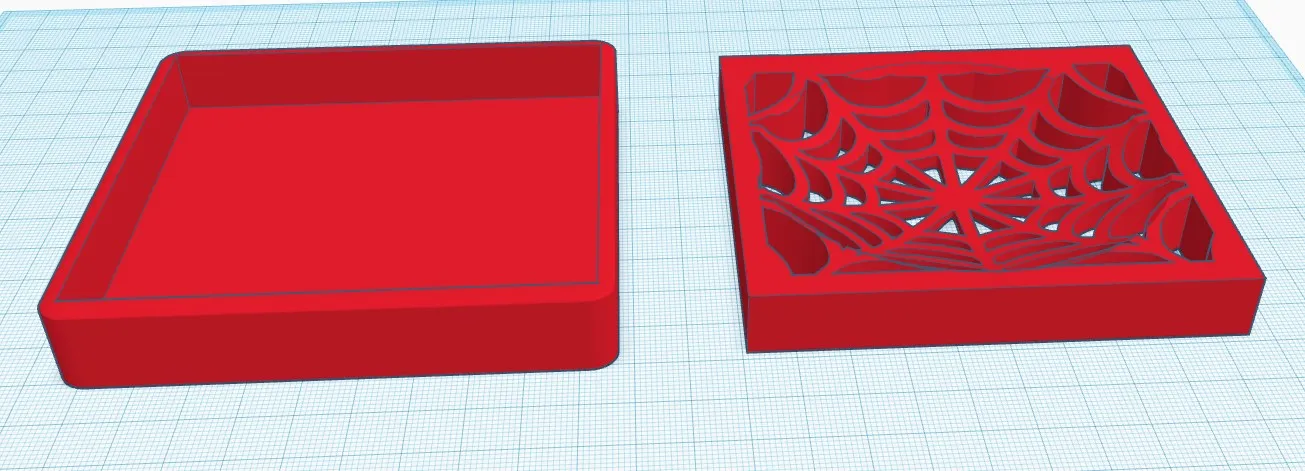
Caring for a tarantula is a rewarding experience, and one of the most fundamental aspects of their care is providing a suitable water source. This “Tarantula Water Bowl Guide 101” will equip you with the essential knowledge to ensure your pet tarantula remains healthy and hydrated. From understanding the critical role water plays in their survival to selecting the perfect bowl and implementing the right maintenance practices, we’ll cover everything you need to know. The aim is to help you create a thriving environment where your tarantula can flourish. Let’s delve into the intricacies of tarantula water bowls.
The Importance of a Tarantula Water Bowl
Water is essential for all life, and tarantulas are no exception. A consistent supply of clean water is crucial for their survival and overall well-being. A water bowl serves as the primary hydration source, allowing tarantulas to drink when needed. Providing the appropriate water source has profound effects, so it should never be taken lightly. Dehydration can have severe consequences. Without adequate water, tarantulas will struggle to molt successfully, eat properly, and maintain their vital bodily functions. Therefore, a readily accessible water bowl is a non-negotiable element for any responsible tarantula keeper. Adequate hydration also maintains the humidity levels within the enclosure.
Dehydration Risks in Tarantulas
Dehydration is a serious threat to tarantulas, potentially leading to significant health issues. A dehydrated tarantula’s bodily processes will slow down, making it difficult to molt. Molting is a vital process where the tarantula sheds its exoskeleton, which allows it to grow. When dehydrated, this process is extremely difficult, and the tarantula may become trapped in its old exoskeleton, resulting in injury or death. Furthermore, dehydration can affect its appetite, and the tarantula will eat less food. Dehydration can also impact the tarantula’s ability to regulate its body temperature. The environment a tarantula resides in is enclosed, and therefore they cannot move in and out of the sunlight.
Signs of Dehydration

Recognizing the signs of dehydration is essential for prompt intervention. Early indicators include lethargy and a reduced appetite. The tarantula may appear sluggish, less active, and spend more time hiding or remaining still. Other visual clues include a shrunken or wrinkled abdomen, and the pedipalps (the small appendages near the fangs) may appear thinner. In more severe cases, the tarantula may exhibit twitching or difficulty moving. If you observe any of these symptoms, immediate action is necessary. Provide access to a water bowl immediately and consider misting the enclosure to increase the humidity levels. It’s wise to consult with a veterinarian specializing in exotic pets for additional guidance. Observing and acting fast will keep your tarantula healthy.
Choosing the Right Tarantula Water Bowl
Selecting the right water bowl goes beyond simply providing a water source; it is critical in ensuring the well-being of your pet tarantula. There are several factors you should consider. The bowl material, the size, and the depth are all important aspects of the water bowl. The ideal water bowl should be safe, functional, and perfectly suited for the specific needs of your tarantula species. Making the right choice will provide a safe and reliable water source that also contributes to your pet’s overall health and happiness. With careful consideration, you can create a water source that will prevent potential issues and provide the best possible habitat for your tarantula to thrive.
Bowl Material
The material of the water bowl is important for safety, and making sure it is easy to maintain is also critical. Glass or ceramic bowls are excellent choices because they are non-porous, making them easy to clean, and resistant to bacterial growth. They are also sturdy and less prone to tipping, preventing spills and potential accidents. Plastic bowls are also an option. Make sure to use food-grade plastic to ensure that they are non-toxic. Avoid using bowls made of porous materials such as terracotta, as they can absorb water and harbor bacteria, which can compromise the water quality. Always ensure the bowl is free from sharp edges or decorations that could harm your tarantula. When choosing a bowl material, it is also important to consider its durability.
Size and Depth Considerations

The size and depth of the water bowl should be appropriate for your tarantula’s species and size. The bowl should be large enough for the tarantula to access the water comfortably, but not so deep that it poses a drowning risk. For smaller tarantulas, a shallow bowl is essential. The water level should be low enough to prevent accidental submersion. Larger tarantulas may require a larger, deeper bowl, but always make sure there is a safe way for the tarantula to climb out if it falls in. Consider the tarantula’s specific behavior. Some species are more prone to burrowing or climbing than others, which can impact the bowl’s stability and safety. The key is to strike a balance between providing sufficient water and minimizing any potential hazards.
Bowl Placement
The placement of the water bowl inside the enclosure is as important as the bowl itself. Place the water bowl in a stable location where it is easily accessible to the tarantula, but not directly under a heat source. Excessive heat can cause the water to evaporate rapidly, requiring more frequent refilling. The bowl should ideally be placed on the substrate, away from the tarantula’s burrow or preferred hiding spot, to avoid contamination from substrate particles. Regularly monitor the bowl’s position and cleanliness to ensure it remains a safe and accessible water source. If the tarantula frequently kicks substrate into the bowl, you may need to adjust the bowl’s location or provide a small, flat rock or piece of bark for the tarantula to drink from.
Optimal Water Bowl Size for Different Tarantula Species
The perfect water bowl size varies significantly depending on the species and size of your tarantula. Understanding these variations is key to your pet’s comfort and safety. Small species like spiderlings will require shallower bowls, while larger adult tarantulas may need larger, deeper bowls. Adapting the water source to the needs of your tarantula prevents issues that could arise. Incorrect sizing can create unnecessary risk or make it difficult for the tarantula to access water, potentially leading to dehydration or other health issues. Paying attention to the details will promote the health of your tarantula.
Small/Spiderling Species

For small tarantulas, especially spiderlings, a shallow water source is critical for preventing drowning. Consider using a bottle cap, a shallow dish designed for reptiles, or a small, flat piece of ceramic tile as a water dish. The water level should be extremely shallow, just enough to create a surface tension the spiderling can drink from. Regularly check the water level and refill it as needed, as these small bowls can evaporate quickly. Maintaining the proper humidity is very important for small species, and shallow dishes help prevent any drowning. Make sure to use a very small water bowl like a bottle cap and place it near a burrow, or in a place where the spiderling commonly walks by. This image can show a small water bowl.
Medium-Sized Tarantulas
Medium-sized tarantulas can utilize a slightly larger water bowl. A shallow ceramic dish or a small, sturdy plastic bowl is appropriate. The depth should allow the tarantula to easily reach the water, but not deep enough to pose a drowning risk. Ensure the bowl is securely placed on the substrate, and consider adding small pebbles or marbles to the bottom of the bowl to provide extra grip and prevent the tarantula from potentially slipping. Regular monitoring and maintenance of the water source are crucial to keep it clean and free from any debris. The size of the bowl can be around 2-3 inches, with about a half inch of water in depth. Check the water daily and replace as needed.
Large/Adult Tarantulas
Large, adult tarantulas require a larger and sturdier water bowl. A deeper ceramic bowl or a heavier plastic bowl is recommended. The bowl should be large enough to accommodate the tarantula’s size, but deep enough for the tarantula to drink comfortably. It’s wise to provide a way for the tarantula to climb out if it accidentally falls in. This can be achieved by adding smooth pebbles, stones or pieces of cork bark. The bowl should be cleaned regularly to prevent the build-up of bacteria. The size of the bowl can be around 4-6 inches with around an inch or two of water in depth. Remember that the water will evaporate, so monitoring and refilling the bowl is important. Large tarantulas need an environment that is well-maintained to keep them healthy.
Water Quality and Maintenance

Maintaining water quality is vital for the health of your tarantula. Fresh, clean water minimizes the risk of bacterial infections and other health issues. Regular cleaning and proper water source management are key aspects of responsible tarantula care. Following a consistent maintenance schedule will ensure your pet always has access to the best possible hydration. Poor water quality can lead to various health problems, and it is a primary reason why tarantula owners must maintain their water source properly. A well-maintained water source can ensure a healthy and thriving tarantula. The water bowl should be cleaned often to prevent any illness or health issues.
Water Source
Use only dechlorinated water or bottled spring water for your tarantula’s water bowl. Tap water contains chlorine and other chemicals that can be harmful to tarantulas. If using tap water, it is essential to dechlorinate it using a water conditioner specifically designed for reptiles, or by letting the water sit out for 24 hours to allow the chlorine to evaporate. Avoid using distilled water, as it lacks the essential minerals that tarantulas need. Using the proper water source will help maintain the tarantula’s health. You can use dechlorinated tap water, and even bottled water, but make sure it is not distilled water.
Cleaning and Refilling Schedule
Establish a regular cleaning and refilling schedule for the water bowl. The frequency of cleaning will depend on the size of the bowl, the number of tarantulas in the enclosure, and the environmental conditions. Generally, the water should be changed every 1-3 days to prevent bacterial growth. When cleaning the bowl, remove it from the enclosure, wash it thoroughly with warm water and mild, unscented soap (rinse thoroughly to remove all soap residue), and refill it with fresh water. Regularly inspect the bowl for any debris or contamination. This ensures that the water is always clean and safe. Never use harsh chemicals or cleaning agents, as these can be toxic to tarantulas. Clean the water bowl often to prevent the growth of bacteria. This image can show a water bowl being cleaned.
Preventing Mold and Bacteria

Mold and bacteria can quickly contaminate the water bowl, which poses a risk to your tarantula’s health. To prevent the growth of these harmful microorganisms, always use fresh, clean water, and regularly clean the bowl. Avoid placing the water bowl near food items or areas with excessive humidity, as these conditions can promote mold and bacterial growth. If you notice any signs of mold or bacteria, immediately remove the bowl, thoroughly clean it, and replace it with fresh water. Consider using a small air pump to circulate the air near the water bowl, which can help to reduce humidity and prevent the growth of mold and bacteria. Maintaining a clean environment is very important, so the tarantula can remain healthy and thriving.
Special Considerations
While the water bowl is the primary method for providing water, there are alternative methods you can utilize to supplement their hydration. These alternative methods can be helpful in specific situations or for certain tarantula species. Understanding these alternative methods can also help enhance the overall habitat of the tarantula. This is just an option, as the water bowl is the primary and most effective method of hydration, but some people incorporate these methods into their habitat. It is still important to provide a water bowl even with alternative methods.
Water Gel Alternatives
Water gel can be used as an alternative or supplement to the water bowl. Water gel is a commercial product designed to provide a consistent water source while minimizing the risk of drowning. It is especially useful for smaller tarantulas, as it offers a safe and readily available source of hydration. Make sure to use a product specifically designed for reptiles or invertebrates. Avoid using generic water gel products, as they may contain harmful chemicals. While water gel can be a convenient option, it should not be the sole source of water. You must still provide a water bowl. Water gel can also be a great way to increase humidity. This image can show water gel.
Using a Spray Bottle

Misting the enclosure with a spray bottle can help maintain humidity and provide an alternative water source. Use dechlorinated water and mist the enclosure lightly, avoiding direct spraying on the tarantula. Misting can be particularly beneficial for species that require higher humidity levels. Avoid over-misting, as excessive humidity can lead to mold and bacterial growth. Misting should supplement the water bowl, not replace it. Make sure to not spray the tarantula directly, as they can get stressed, and misting can become a danger. Some tarantula species are not suited for misting, as they can experience breathing problems. It is important to be cautious. This image can show misting the enclosure.
Safety Precautions
Always prioritize the safety of your tarantula. Ensure that the water bowl is shallow enough to prevent drowning. Regularly monitor the water bowl and the enclosure environment. If you are misting, ensure that the humidity level is appropriate for the tarantula species, as excessive humidity can lead to mold and bacteria. Consult with a veterinarian specializing in exotic pets if you have any concerns about your tarantula’s health or hydration. Remember to always prioritize your tarantula’s safety when setting up the enclosure, and always use the proper water sources. Taking your time when setting up the habitat will give you the best environment for your tarantula.
By following this “Tarantula Water Bowl Guide 101”, you will gain the knowledge and tools to provide your tarantula with a safe, clean, and easily accessible water source. This will help ensure that your eight-legged companion remains healthy and thrives in its enclosure. Remember that responsible tarantula care involves ongoing observation, maintenance, and a commitment to providing the best possible environment for your pet. Now you can enjoy your tarantula and its beautiful world!