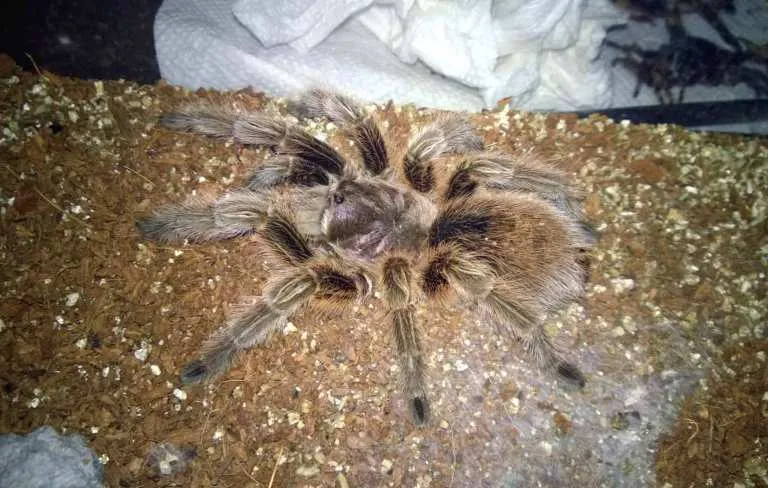
The Appeal of Fast-Growing Tarantulas
Venturing into the world of tarantula ownership can be an exciting journey. For beginners, the idea of seeing your pet grow and develop can be particularly appealing. Fast-growing tarantulas offer a unique advantage in this regard, providing a more dynamic experience compared to species with slower growth rates. The rapid growth allows for quicker observation of molting cycles, feeding behaviors, and overall development, which can be highly engaging for new tarantula keepers. Furthermore, the relatively shorter lifespan of some fast-growing species can be a good starting point, providing valuable experience before potentially committing to a longer-lived species.
Why Choose a Fast-Growing Tarantula?
There are several compelling reasons to opt for a fast-growing tarantula when starting out. The increased activity levels often associated with faster growth can make these tarantulas more visible and interesting to observe. They tend to molt more frequently, offering opportunities to witness this fascinating process and learn about their development. Moreover, the shorter time frame allows for more frequent interactions with your pet (though handling should be approached with caution and respect for the animal’s well-being), fostering a deeper understanding of tarantula behavior and care. Also, many fast-growing species are known for their hardiness and adaptability, making them more forgiving of beginner mistakes.
Benefits of Fast Growth

The primary benefit of fast growth is, of course, the rapid development you get to witness. This means more frequent molting, which is a crucial aspect of tarantula growth. Each molt reveals a slightly larger and more developed spider, allowing you to monitor its health and progress closely. This increased pace of change also means more opportunities to observe feeding behaviors, which can be highly educational and enjoyable. Moreover, the experience gained from caring for a fast-growing species provides a solid foundation of knowledge and confidence for those considering more challenging or long-lived tarantula species.
Considerations for Beginners
While fast-growing tarantulas offer many advantages, beginners should also consider certain factors. These tarantulas often have voracious appetites, meaning you’ll need to provide a consistent food supply. Regular molting requires appropriate humidity and a safe environment. It’s important to research the specific needs of the chosen species, including ideal temperature, humidity, and enclosure size, to ensure proper care. While many fast-growing species are relatively docile, understanding their defensive behaviors and handling precautions is crucial for both the tarantula’s and the keeper’s safety.
Top 5 Fast-Growing Tarantula Species for Beginners
1. The Chilean Rose Hair Tarantula
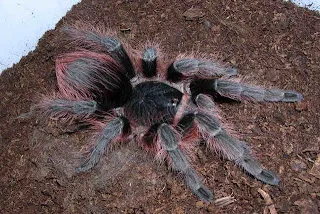
This species (Grammostola rosea) is a popular choice for beginners due to its docile nature and relatively undemanding care requirements. They are hardy, relatively slow-moving, and generally tolerate handling well, though it’s always best to minimize handling. They have a moderate growth rate, making them a good middle ground between very slow and very fast-growing species. They are also known for their longevity, providing years of enjoyment.
Appearance and Temperament
Chilean Rose Hairs are typically a brownish color with rose-colored hairs on their carapace. They are generally calm and not prone to biting, though they may flick urticating hairs as a defense mechanism. Their temperament makes them ideal for those new to tarantula keeping who want to get used to this unique pet without the stress of a more temperamental one.
Care Requirements
They require a moderately sized enclosure with a substrate of coconut fiber or peat moss. Maintaining a temperature between 70-80°F (21-27°C) and humidity levels of 60-70% is ideal. They feed on insects like crickets and mealworms, with feeding frequency depending on their age and size.
2. The Pinktoe Tarantula

The Pinktoe (Avicularia avicularia) offers a beautiful display and a slightly more active experience. They are arboreal, meaning they live in trees, and their needs differ slightly from terrestrial tarantulas. They are known for their vibrant colors and relatively quick growth compared to some other species.
Appearance and Temperament
Pinktoes are easily recognizable by their pink toe pads and iridescent sheen. They are generally skittish and quick to retreat, but rarely bite. They prefer to hide in their webbed retreats, making them a less hands-on pet.
Care Requirements
They need a tall enclosure with plenty of vertical space, climbing branches, and foliage. Humidity is critical, requiring levels of 75-85%, achieved through regular misting. Feeding is similar to other tarantulas, but they may prefer flying insects if available.
3. The Curly Hair Tarantula
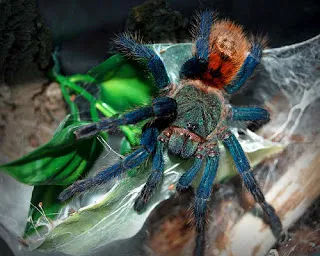
The Curly Hair (Tliltocatl albopilosus) is another popular choice for beginners, known for its docile nature and relatively low maintenance. Their unique appearance adds to their appeal. They have a moderate growth rate and a lifespan that allows for sustained enjoyment.
Appearance and Temperament
They are characterized by their dark body and curly, golden hairs. They are generally very calm and less prone to defensive behaviors. They are a good option for those new to handling tarantulas.
Care Requirements
They require a terrestrial setup with a substrate of coconut fiber or peat moss. Maintaining a temperature between 70-80°F (21-27°C) and a humidity level of 65-75% is ideal. Provide a shallow water dish for hydration.
4. The Mexican Red Knee Tarantula

The Mexican Red Knee (Brachypelma hamorii) is a classic tarantula species. They are widely recognized for their beautiful markings and relatively docile temperament. They have a moderate growth rate, which is a great option for beginners.
Appearance and Temperament
They are characterized by their black body with vibrant orange-red markings on their leg joints. They are generally docile but can flick urticating hairs if threatened. They make a great pet for any spider lover.
Care Requirements
They require a terrestrial setup with a substrate of coconut fiber or peat moss, a hide, and a water dish. Temperature should be maintained at 75-85°F (24-29°C) and humidity around 60-70%.
5. The Gooty Sapphire Ornamental Tarantula

For experienced beginners, the Gooty Sapphire Ornamental (Poecilotheria metallica) offers a stunning appearance and a more dynamic keeping experience. They are a fast-growing, arboreal species with potent venom, so extra caution is needed.
Appearance and Temperament
They have striking metallic blue and yellow markings. They are fast and skittish and are not recommended for handling by beginners.
Care Requirements
They require a tall enclosure with plenty of vertical space and secure ventilation. High humidity (70-80%) and temperatures between 75-85°F (24-29°C) are necessary. Always be cautious, because these tarantulas can be aggressive.
Essential Care Tips for Fast-Growing Tarantulas

Enclosure Setup
The enclosure is the tarantula’s home, so proper setup is crucial. Choose an appropriately sized enclosure that allows for sufficient space for the tarantula to move around, molt, and establish its preferred habitat. Terrestrial species require more floor space, while arboreal species need height and climbing opportunities. Ensure the enclosure is escape-proof and well-ventilated. Provide a suitable substrate, such as coconut fiber or peat moss, to help maintain humidity and allow the tarantula to burrow if it desires. Decorations like hides, branches, and fake plants can enhance the enclosure and offer security to your tarantula, which can make it a more happy one.
Substrate and Furnishings
The substrate is the base of the enclosure and plays a key role in humidity regulation and providing a comfortable environment. Coconut fiber, peat moss, and a mixture of both are popular choices. The depth of the substrate depends on the species and its burrowing habits. Providing a hide, such as a piece of cork bark or a commercially available hide, is essential for security. Additional decorations like branches and fake plants offer enrichment and a more naturalistic environment. Make sure everything is clean and secure to ensure that your tarantula stays safe and healthy.
Temperature and Humidity
Maintaining the correct temperature and humidity levels is vital for a tarantula’s health. Research the specific needs of your chosen species, as they vary. Generally, a temperature range between 70-85°F (21-29°C) is suitable for most species. Use a thermometer to monitor the temperature inside the enclosure. Humidity levels are best monitored with a hygrometer and can be maintained by regular misting with a spray bottle. Proper ventilation is also crucial to prevent mold growth, which can be harmful to your tarantula. Make sure to always check and re-check to ensure that your spider has the correct temperature and humidity it requires.
Feeding and Hydration
A consistent diet is essential for the health and growth of your tarantula. Feed your tarantula appropriate-sized insects, such as crickets, mealworms, or roaches. The frequency of feeding depends on the tarantula’s age, size, and growth rate. Spiderlings need more frequent feeding than adults. Always offer fresh water in a shallow dish. Monitor the water level and replace it regularly to maintain a healthy environment. The size of the food is very important. Make sure the insect is not bigger than the spider. Otherwise, the spider might have issues.
What to Feed Tarantulas
Crickets, mealworms, and roaches are the most common food sources. Dusting the insects with a calcium supplement, especially for juveniles, can help ensure proper development. Variety in the diet is beneficial. Avoid feeding insects that have been exposed to pesticides. The insect should be small enough that the spider can easily manage it. If the tarantula doesn’t eat the insect immediately, remove it after 24 hours to prevent stress or harm to the spider.
Watering and Humidity Maintenance
Provide a shallow water dish for your tarantula to drink from. Refill it with fresh water regularly, especially if the water evaporates quickly. Monitor the humidity levels in the enclosure with a hygrometer. Adjust the humidity by misting with a spray bottle, but avoid over-misting, which can lead to mold growth. Ensure good ventilation within the enclosure to prevent excess humidity buildup. Keep everything clean at all times to avoid any health issues.
Handling and Safety
When to Handle
Handling tarantulas is generally not recommended, especially for beginners. Some species are more docile than others, but all tarantulas can bite or flick urticating hairs as a defense. Handling should be minimized and only done when absolutely necessary, like for health checks or enclosure maintenance. Avoid handling during and after a molt, as they are particularly vulnerable during this time. Handling can also cause stress to the tarantula. Always approach with caution and respect for the animal.
Safety Precautions
If you choose to handle your tarantula, it is vital to take safety precautions. Wash your hands thoroughly before and after handling. Handle the tarantula close to the ground or a soft surface in case it falls. Never startle or provoke the tarantula. Be aware of the tarantula’s defensive behaviors and be prepared to react appropriately. Keep children away from the tarantula unless supervised. Educate yourself on the specific species’ venom potency and effects. Should a bite occur, seek immediate medical attention.
Conclusion
Fast-growing tarantulas can be a rewarding experience for beginner keepers, offering a more dynamic journey. By choosing the right species and following the essential care tips, you can enjoy the fascinating world of these amazing creatures. Always do your research, prioritize the tarantula’s well-being, and handle your new pet with the respect it deserves. The experience of watching these creatures grow and thrive is one of the most fulfilling aspects of tarantula keeping.