What is a Tarantula Hawk?
The tarantula hawk, a member of the Pompilidae family, is a spider wasp known for its extraordinarily painful sting. These wasps are among the largest wasps in the world and are easily recognizable by their striking appearance, typically featuring a metallic blue-black body and bright orange or reddish wings. Found in various regions, including the southwestern United States, they play a significant role in the ecosystem, primarily as predators of tarantulas. Their life cycle is fascinating, as they use tarantulas as hosts for their larvae. While the sting is infamous for its intensity, tarantula hawks are generally not aggressive towards humans unless provoked. Their existence highlights the intricate and sometimes brutal beauty of the natural world, showcasing the complex relationships between predator and prey.
Appearance and Identification
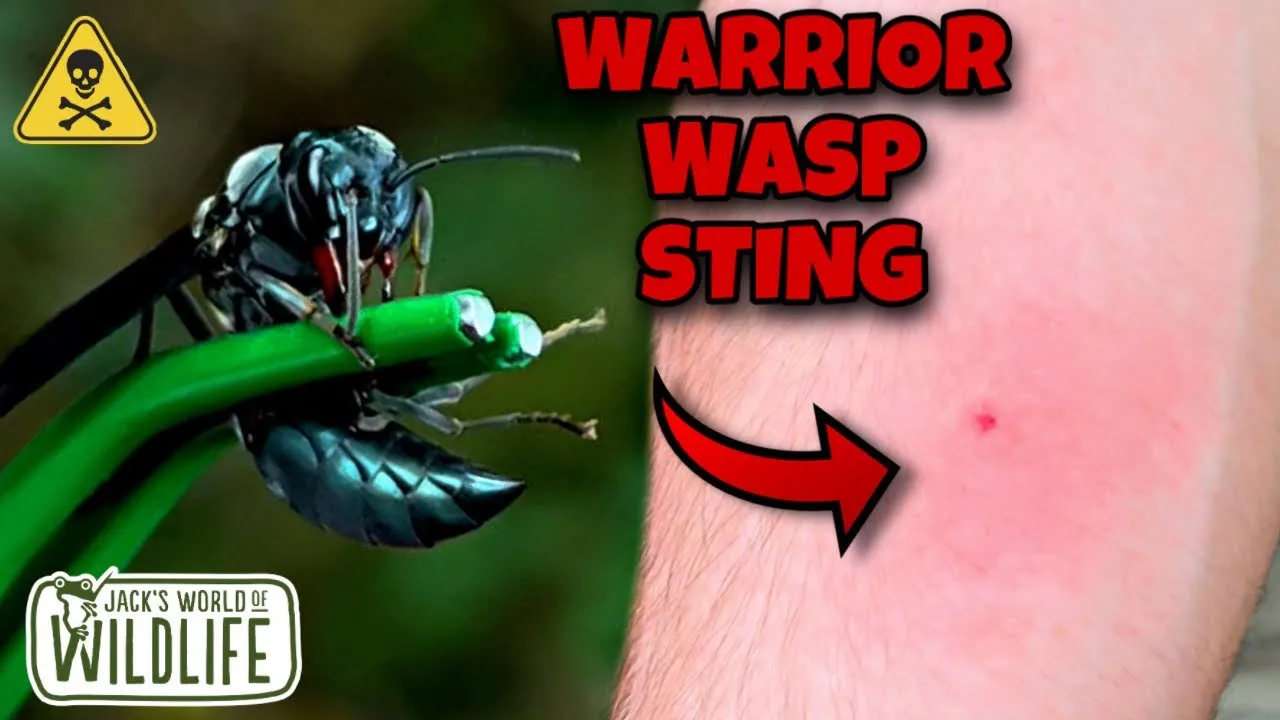
Identifying a tarantula hawk is relatively straightforward due to their distinctive appearance. As mentioned, they are large wasps, with females often reaching up to 2 inches in length. Their bodies are typically a deep, metallic blue or black, providing a stark contrast to their vibrant orange or rusty-red wings. The wings are crucial for identification, as their color and size are unique. The wasps possess powerful legs equipped with strong claws, which are used for grappling with their prey. Additionally, they have long, curved antennae. When observing a tarantula hawk, keep an eye out for these characteristics, as they are key indicators. It’s also worth noting that they have a robust build compared to other wasp species, further aiding in identification, which you can see from the image above.
Habitat and Distribution of Tarantula Hawks

Tarantula hawks thrive in warm, arid environments. Their habitat includes regions like the southwestern United States, particularly states such as Texas, Arizona, and New Mexico, as well as parts of South America and Australia. These wasps prefer areas with plenty of sunshine and sandy or gravelly soil, which is suitable for their nesting habits. They often build their nests in the ground or in pre-existing cavities, close to where tarantulas are likely to be found. The distribution of tarantula hawks is directly linked to the presence of their primary prey, the tarantula spider. You will find them in open areas, deserts, and grasslands. The wasps’ ability to tolerate extreme temperatures and their preference for specific landscapes influence where you are most likely to encounter these fascinating creatures.
Texas Tarantula Hawk Sting What Makes it Unique?
The tarantula hawk sting is often described as one of the most painful insect stings in the world. Its uniqueness stems from the potent venom delivered by the wasp and the specific way it affects the human nervous system. Unlike many other insect stings that cause localized pain and inflammation, a tarantula hawk sting can trigger intense, immediate pain that spreads rapidly. This pain is not only excruciating but also has a distinct quality, often described as a searing, burning sensation. The sting is characterized by its long-lasting effects, with pain that can persist for several minutes, a stark contrast to the relatively brief pain of a bee sting. These factors contribute to the tarantula hawk’s infamous reputation as a stinging insect, which you can see from the image above.
The Pain Scale
The Schmidt sting pain index, developed by entomologist Justin Schmidt, is a scale that rates the relative pain caused by different insect stings. The tarantula hawk sting is consistently ranked near the top of this scale, often scoring a 4, the highest level. This means that the pain is considered excruciating and incapacitating. The Schmidt index provides a standardized measure for comparing the pain levels of various stings. This index helps in quantifying the intensity and the unique qualities of pain experienced from various insect stings. The tarantula hawk’s score reflects the agonizing experience that victims endure, highlighting the significance of this insect’s sting within the realm of entomology and human experience.
The Effects of the Sting

The sting from a tarantula hawk causes intense, immediate pain. The initial sensation is a sharp, burning pain that quickly intensifies. This pain is known to spread rapidly from the site of the sting, often radiating outward. The pain from a tarantula hawk sting can persist for several minutes. The victim may experience temporary paralysis, intense throbbing, and a burning sensation. Swelling and redness around the sting site are also common. While the pain subsides after a while, the psychological impact of the sting, due to its extreme nature, can be significant. In rare cases, some individuals may have an allergic reaction, which requires immediate medical attention. Generally the effects are a localized reaction.
Top 5 Facts About the Tarantula Hawk Sting
Fact 1 Intense Pain
The tarantula hawk sting is notorious for its intense pain, often described as the most painful insect sting. This is due to the venom’s composition and the way it interacts with the nervous system. The pain is immediate and sharp, quickly escalating to a searing, burning sensation. The pain is unlike other insect stings, and it is known to be excruciating, often leading to temporary paralysis. The pain can make everyday tasks extremely difficult. This extreme pain is what sets it apart from other insect stings. This is why the tarantula hawk sting is considered one of the worst sting experiences.
Fact 2 Rapid Onset

The pain from a tarantula hawk sting starts almost immediately. This rapid onset is a hallmark of the sting, contributing to its infamy. After the sting, the victim feels a sharp, stinging pain at the point of entry. This is then followed by a swift escalation of pain, creating a burning and throbbing sensation. This rapid onset of pain can be surprising and overwhelming. This immediate impact means the victim experiences the full force of the sting’s effect very quickly.
Fact 3 Short Duration
Despite the intensity, the duration of the pain is relatively short compared to other types of pain. While the pain is excruciating, it typically lasts only for a few minutes. This means that while the experience is incredibly painful, it does not persist for extended periods. This is a notable feature, as many injuries or pains can continue for much longer. The relatively short duration is a factor in understanding the overall experience.
Fact 4 No Fatalities
Despite the extreme pain, fatalities from tarantula hawk stings are extremely rare. The venom is not considered lethal to humans, unlike some other insect stings. This means that while the pain is excruciating, it is not life-threatening for the vast majority of people. This is an important fact to consider, as it provides some comfort to those who are stung, knowing that the effects are not likely to be fatal. However, if you do feel that the effects are getting too much, make sure you seek immediate medical attention.
Fact 5 The Venom’s Purpose

The venom of the tarantula hawk serves a specific purpose in its ecosystem. The venom is primarily designed to paralyze the tarantula spider, which is the wasp’s prey. When the wasp stings a tarantula, the venom quickly immobilizes the spider, allowing the wasp to drag it to a burrow. It is crucial to the wasp’s reproductive cycle. This underscores the complex ecological role the tarantula hawk plays. The sting is essential for the wasp’s survival. Its use shows the intricate strategies of nature. This also helps to highlight the importance of understanding the tarantula hawk’s role in the environment.
What to Do If Stung by a Tarantula Hawk
If stung by a tarantula hawk, swift and appropriate action is vital to minimize the impact of the sting. The first step involves staying calm. While the pain is intense, remaining calm can help you think clearly. The next step is to move away from the area, to prevent the possibility of additional stings. You can apply an ice pack to the sting site. This can help reduce the pain and swelling. You can also take over-the-counter pain relievers. This can help manage the discomfort. You should also monitor yourself for signs of an allergic reaction, such as difficulty breathing or swelling. If you experience any allergic symptoms, seek medical attention.
Immediate Actions
After being stung by a tarantula hawk, certain immediate actions are important. The first step is to move away from the area to avoid further stings. Next, apply an ice pack to the sting site. This can help reduce the pain and swelling. Clean the area with soap and water to reduce the chance of infection. It’s important to monitor yourself for signs of an allergic reaction, such as difficulty breathing or swelling of the throat. You can also use an antihistamine. If you notice any severe symptoms, seek medical attention immediately. Remain calm and try to manage the pain until the effects subside.
Medical Attention

In most cases, a tarantula hawk sting can be managed at home, but in certain situations, medical attention is necessary. If you experience severe symptoms like difficulty breathing, swelling of the throat, or other signs of an allergic reaction, go to the nearest emergency room or seek immediate medical care. Medical professionals can provide appropriate treatment to manage the symptoms. The doctor will be able to administer medications. This can also include epinephrine to counteract the allergic response. This can help prevent severe complications. If you are unsure about the severity of your reaction, it is best to err on the side of caution and consult a healthcare provider.
Preventing Tarantula Hawk Stings
Preventing tarantula hawk stings involves being aware of their habitat and behavior. When you’re in areas where tarantula hawks are common, it’s important to wear protective clothing. This may include long sleeves, long pants, and closed-toe shoes. Be cautious when you are near areas where you know that tarantula hawks are active. They are typically found in warm, arid environments. Avoid disturbing them or their nests, as this is when they are most likely to sting. It’s also helpful to be aware of their nesting habits. Their nests are often in the ground or in pre-existing cavities. If you see a tarantula hawk, observe it from a distance. By taking these precautions, you can significantly reduce your risk of getting stung.
Understanding Tarantula Hawk Behavior
Understanding the behavior of tarantula hawks can help minimize the chance of a sting. They are solitary wasps, meaning they don’t live in colonies. This is different from bees and other social insects. Tarantula hawks are most active during the day. They are focused on finding prey or mating. The females are mainly searching for tarantulas. They use their sting to paralyze the spiders. The males are less likely to sting because they are focused on finding mates. If you’re in an area where these wasps are common, avoid sudden movements and stay calm. Also, avoid areas where tarantulas are common. By understanding their behavior and being cautious, you can reduce your chances of an encounter.