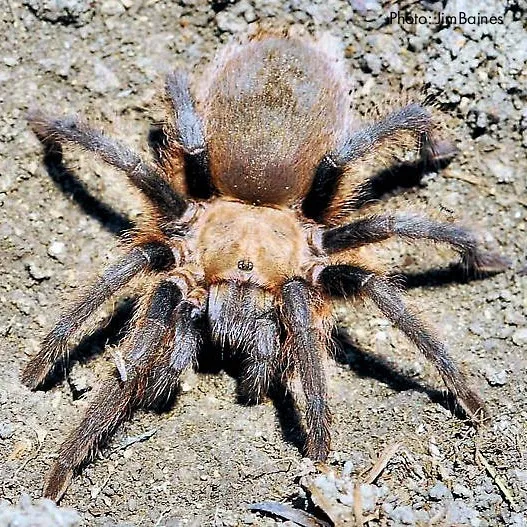
What is a Texas Tarantula?
The Texas tarantula, scientifically known as Aphonopelma hentzi, is a large, hairy spider native to the southwestern United States, particularly abundant in Texas. These fascinating arachnids are a common sight in the state’s diverse ecosystems, ranging from grasslands and deserts to open woodlands. Despite their imposing size and appearance, Texas tarantulas are generally docile creatures, and their bites are not considered medically significant to humans. They are a vital part of the ecosystem, playing a role in controlling insect populations. Understanding the Texas tarantula involves appreciating its unique characteristics, habitat, and behaviors, contributing to a broader appreciation for Texas’s biodiversity.
Physical Characteristics of Texas Tarantulas
Size and Appearance of Texas Tarantulas

Texas tarantulas are easily recognizable by their size and robust build. Adult females can have a leg span of up to 6 inches, while males are typically slightly smaller. Their bodies are covered in dense hairs, ranging in color from brown to black, providing camouflage within their natural environment. The spiders have eight legs, two pedipalps (used for sensing and manipulating prey), and two chelicerae (fangs) used for injecting venom. The overall appearance is intimidating, but their gentle nature often surprises those who encounter them. The large size and hairy appearance distinguish them from other spider species found in Texas, making them easily identifiable to even casual observers. The appearance can vary slightly depending on the tarantula’s age and environmental conditions.
Color Variations in Texas Tarantulas
While the predominant color of Texas tarantulas is typically brown or black, there can be slight variations in coloration. Some individuals may have reddish or tan hues, particularly on their legs or carapace (the upper shell of their body). The color can be influenced by factors such as the tarantula’s age, molting cycle, and the specific soil conditions in their habitat. Younger tarantulas may appear lighter in color than adults. The hair density and arrangement also contribute to the overall appearance, sometimes creating subtle patterns or gradients. These color variations are subtle but add to the unique appearance of each individual tarantula. Understanding the color variations helps in identifying and appreciating the diversity within the Texas tarantula population. These variations are natural and do not indicate any significant differences in their behavior or biology.
Habitat and Distribution of Texas Tarantulas
Where Texas Tarantulas Live

Texas tarantulas are found throughout Texas, with a strong presence in the central and western regions. They prefer habitats that offer shelter and suitable conditions for burrowing. These habitats include grasslands, open woodlands, and scrublands, where the soil is well-drained and provides easy access for digging burrows. They are also commonly found in areas with moderate humidity and temperatures. Their distribution is influenced by the availability of prey, such as insects, and the absence of extreme weather conditions. The spiders are commonly seen in areas with abundant plant life, providing cover from predators and the harsh sun. The widespread presence of the Texas tarantula is a testament to its adaptability and ability to thrive in diverse environments within the state.
Factors Influencing Habitat
Several factors influence the habitat preferences of Texas tarantulas. Soil type plays a crucial role, with well-drained soil being essential for burrow construction. The presence of adequate vegetation provides both cover and a suitable hunting ground. Temperature and humidity levels also affect the tarantula’s activity and survival. They thrive in moderate climates, avoiding excessively hot or cold conditions. The availability of prey, such as crickets, grasshoppers, and other insects, is another significant factor determining their habitat. The absence of harsh conditions and the presence of suitable microclimates promote healthy populations. The ability of Texas tarantulas to adapt to varying conditions contributes to their wide distribution across the state.
Diet and Feeding Habits of Texas Tarantulas
What Do Texas Tarantulas Eat

Texas tarantulas are primarily carnivorous, feeding on a variety of insects and other invertebrates. Their diet typically includes crickets, grasshoppers, beetles, and caterpillars. Larger tarantulas may occasionally prey on small vertebrates like lizards or even small rodents. They are opportunistic hunters, waiting for prey to come within striking distance. The spiders also consume their prey by injecting venom to immobilize them before feeding. Their diet changes depending on the availability of food sources. This adaptability makes them successful predators within their ecosystem. The consumption of a wide variety of insects also aids in maintaining the balance within their environments.
Hunting Techniques of Texas Tarantulas
Texas tarantulas are ambush predators, relying on their patience and stealth to capture prey. They typically wait near the entrance of their burrows, detecting vibrations from passing insects. When prey comes within range, they quickly emerge to attack, using their fangs to inject venom. The venom paralyzes the prey, allowing the tarantula to safely consume it. The spiders use their pedipalps and chelicerae to manipulate their meals. They also use their strong jaws to crush the prey. The efficiency of their hunting techniques helps them to be successful predators within their habitats. They also have strong instincts which enable them to adapt and hunt in various environments.
Reproduction and Life Cycle of Texas Tarantulas
Mating Rituals of Texas Tarantulas

Mating in Texas tarantulas is a fascinating process, often occurring in the late summer or early fall. Male tarantulas, after reaching maturity, leave their burrows in search of females. They use specialized structures on their pedipalps to transfer sperm to the female. The males are careful during the process because they risk being cannibalized by the females if they aren’t careful. After mating, the male usually retreats to safety. The females then lay eggs in a silken egg sac, which they carefully protect. The entire process involves intricate behaviors and physiological adaptations. The male’s life is often at risk, but it ensures the continuation of the species. This reproductive cycle ensures the survival of the tarantula population.
Life Stages of Texas Tarantulas
The life cycle of a Texas tarantula includes several stages, beginning with the egg sac. The eggs hatch into spiderlings, which undergo several molts as they grow. Molting is a process where the tarantula sheds its exoskeleton, allowing it to grow larger. As the tarantulas mature, they differentiate into males and females. Females can live for many years, sometimes exceeding 20 years, while males typically have a shorter lifespan, often just a few years. Each stage involves specific behaviors and physical changes. They depend on factors like their environment and available food sources. Their growth also requires adequate shelter and protection. The longevity of females contributes to the stability of the tarantula population.
Conservation Status and Threats to Texas Tarantulas
Threats to Texas Tarantulas

Texas tarantulas face several threats, including habitat loss due to urbanization, agriculture, and deforestation. The use of pesticides can also negatively affect their food supply and directly impact their survival. They are sometimes collected for the pet trade, which, if unregulated, can impact populations. Climate change and extreme weather events can disrupt their habitats and food sources. Human activities, such as road construction, can fragment their habitats. Understanding these threats is crucial for implementing effective conservation strategies. Protecting their environments and managing human impact are essential to ensure the long-term survival of the Texas tarantula population. These threats vary depending on the region and the level of human activity.
Conservation Efforts for Texas Tarantulas
Conservation efforts for Texas tarantulas involve habitat preservation, sustainable land management, and public education. Protecting existing habitats and restoring degraded areas are important steps. Regulating the pet trade can help to prevent over-collection. Raising public awareness about the importance of these spiders and their role in the ecosystem is also crucial. Supporting research to better understand tarantula populations and behaviors is important. These efforts aim to minimize human impact and ensure the long-term health of Texas tarantula populations. Collaboration between conservation organizations, government agencies, and local communities is essential for success. Conservation efforts contribute significantly to safeguarding biodiversity in Texas.