Why Tarantulas Make Sound The Mystery
The world of tarantulas, with their impressive size and often intimidating appearance, holds many mysteries. One of the most intriguing is their ability to produce sounds. Unlike many other creatures that rely on vocal cords, tarantulas have evolved unique methods to communicate and interact with their environment. Understanding why these fascinating arachnids make sound offers a glimpse into their behavior, survival strategies, and the complex world they inhabit. The sounds they produce aren’t just random noises; they serve specific purposes, ranging from defense and communication to courtship and even the assessment of their own health. This article will explore the top 5 reasons behind the sounds of tarantulas, providing a comprehensive look at the diverse ways they use sound.
Stridulation Sound Production
One of the primary methods tarantulas use to produce sound is stridulation. This process involves rubbing two body parts together to create a sound. The specific structures used for stridulation vary depending on the species of tarantula, but the principle remains the same. This is a common method of sound production in the animal kingdom, with various insects, such as crickets, also using stridulation. The resulting sounds can range from faint hisses to more pronounced chirps or buzzes, depending on the species and the intensity of the action. Stridulation is a versatile tool, used for everything from warning off predators to attracting mates. The ability to stridulate effectively is a critical component of the tarantula’s survival and reproductive success.
What is Stridulation

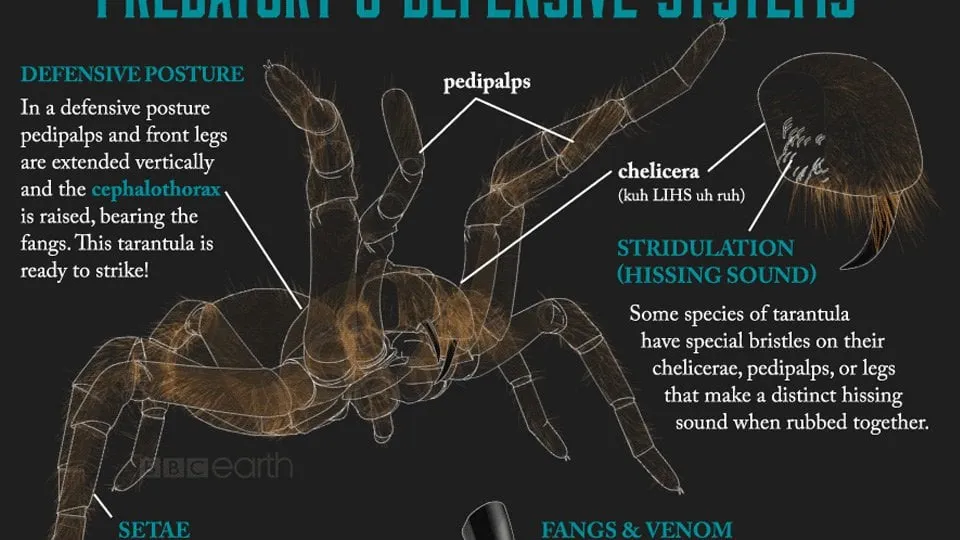
Stridulation is the act of producing sound by rubbing two body parts together. In the case of tarantulas, this often involves specialized structures such as bristles or spines on their legs or chelicerae (mouthparts). When these parts are rubbed together, they vibrate and create sound waves. This is similar to how a violinist produces sound by drawing a bow across the strings of their instrument. The frequency and amplitude of the sound produced depend on factors like the size and shape of the structures, the speed at which they are rubbed together, and the force applied. Stridulation is not unique to tarantulas, as many other animals, particularly insects, use this method for various purposes.
Stridulation in Tarantulas How it Works
In tarantulas, stridulation typically involves rubbing the chelicerae against the front legs or pedipalps. The chelicerae, which are the mouthparts of the tarantula, are often equipped with small spines or ridges. When these are scraped against the other body parts, the vibration generates sound. The precise mechanics of stridulation can vary among different tarantula species, with some using different body parts or employing distinct rubbing motions. The sounds produced can range from a soft buzzing to a more forceful rasping sound. The sound acts as a signal, conveying information about the tarantula’s emotional state or intentions. It is a crucial tool for communication, particularly in situations involving defense, territorial disputes, or courtship rituals.
Hissing Defense Mechanism
Another prominent sound tarantulas make is hissing, often employed as a defensive mechanism. Hissing in tarantulas is typically produced by stridulation, where the spider rubs specific body parts together. This sound serves as a warning signal, indicating the tarantula feels threatened and is ready to defend itself. The sudden burst of sound can startle potential predators, giving the tarantula a chance to escape or prepare for an attack. The intensity and frequency of the hissing can vary depending on the species of tarantula and the level of perceived threat. Hissing is a critical part of their survival strategy, providing a vital means of deterring predators and protecting their well-being.
Why Tarantulas Hiss

Tarantulas hiss primarily as a defensive response to perceived threats. When a tarantula feels endangered, whether from a predator, a perceived territorial challenge, or even a sudden disturbance, it will often hiss to signal its displeasure and ward off the potential threat. This sound is an indication that the spider is not approachable and may attack if provoked further. The hissing serves as a warning, buying the tarantula time to escape or preparing for a defensive posture. The behavior is instinctive, designed to protect the spider from harm and ensure its survival in the wild. This defense mechanism is a vital component of their behavior and allows them to survive in various environments.
How Hissing Protects Tarantulas
Hissing is an effective defense mechanism because it can startle and deter potential predators. The sudden, unexpected sound can disrupt the predator’s focus, giving the tarantula a critical opportunity to either flee or adopt a defensive stance. In some cases, the hissing might be accompanied by a threat display, such as rearing up or exposing fangs, further amplifying the warning. The effectiveness of hissing can also depend on the environment and the type of predator. In dense environments, the sound can travel a shorter distance, making it a more immediate deterrent. For larger predators, hissing could be a warning that the tarantula is willing to fight, prompting the predator to reconsider its approach. Hissing is a fundamental survival tool, helping tarantulas protect themselves from various threats.
Sound and Communication
Tarantulas use sound as a crucial tool for communication, not only for defense but also for other social interactions. Sound can convey a range of messages, from warnings to courtship signals. The complexity of these communications often varies across different species, but the underlying principle remains the same: sound helps facilitate social interactions and ensures the survival of the species. The ability to communicate effectively through sound is, therefore, an essential part of their behavior and social dynamics.
Communication Through Sound

Communication through sound enables tarantulas to interact with each other and their environment in numerous ways. For instance, during mating season, males often produce specific sounds, such as drumming or stridulation, to attract females. The sounds serve as a courtship display, signaling the male’s readiness and desirability. Females, in turn, might respond with their own sounds, either accepting or rejecting the male’s advances. In territorial disputes, sounds can also play a crucial role, allowing individuals to assess the situation and potentially avoid a direct confrontation. The ability to use sound for communication is also vital for tarantula spiderlings, who may use sound to signal their location or needs to their mother. It’s a complex system crucial for their social interactions.
The Role of Sound in Mating
Sound plays a vital role in the mating rituals of many tarantula species. Male tarantulas typically use sound as a way to attract females, often producing specific patterns of vibrations or stridulation to signal their availability and intention. The sounds are species-specific, acting as a form of recognition and ensuring that the correct species mate. These sounds can range from drumming on the substrate to produce vibrations that the female can sense, to the more obvious stridulation sounds. The female will then either accept or reject the male based on his signals. The exchange of sounds is a crucial part of the courtship process, ensuring successful reproduction and the continuation of the species.
Sensing Vibration
Tarantulas, like many other arachnids, are highly sensitive to vibrations, which they use to gather information about their surroundings. This sensitivity plays a crucial role in their ability to detect prey, avoid predators, and communicate with each other. They sense vibrations through specialized sensory organs, which allow them to perceive subtle movements in their environment. This ability is integral to their survival and contributes to their overall success.
What are Vibrations?

Vibrations are mechanical oscillations that propagate through a medium, such as air, the ground, or water. These oscillations can be caused by various sources, including the movement of other animals, the impact of objects, or even the production of sounds. For tarantulas, vibrations are an important form of sensory input, as they provide information about the environment. They may detect vibrations produced by potential prey, which allows them to locate and capture food. They also sense vibrations from predators, which enables them to take defensive action. The ability to interpret vibrations allows tarantulas to gain crucial information and survive in their environment.
How do Tarantulas Sense Vibrations?
Tarantulas possess specialized sensory organs that allow them to detect vibrations. These organs are primarily located on their legs, body, and the setae (small hairs) that cover their bodies. When vibrations occur, the setae or other sensory structures respond, transmitting signals to the tarantula’s nervous system. The tarantula can then interpret these signals to determine the direction, intensity, and source of the vibration. This process enables them to distinguish between different types of vibrations, such as the vibrations caused by the approach of prey or the presence of a predator. The vibration sensing system is highly effective, enabling tarantulas to react quickly to changes in their environment.
The Sound of Health
While not a direct means of communication, the sounds produced by a tarantula can sometimes provide insight into its health. Unusual or altered sounds, such as persistent hissing or a lack of normal stridulation, may indicate the tarantula is unwell or experiencing stress. As such, paying attention to the sounds can serve as an indicator of the tarantula’s overall well-being.
In conclusion, the sounds of tarantulas serve multiple vital functions, from defense and communication to mating rituals and sensing vibrations. These sounds highlight the complexity and adaptability of these fascinating creatures. Whether it’s the hiss of a threatened tarantula, the stridulation of a courting male, or the subtle vibrations picked up by their sensitive sensory organs, sound provides crucial information that helps them survive and thrive in their natural habitats. Understanding these sounds gives us deeper appreciation for the complex lives of these remarkable arachnids.