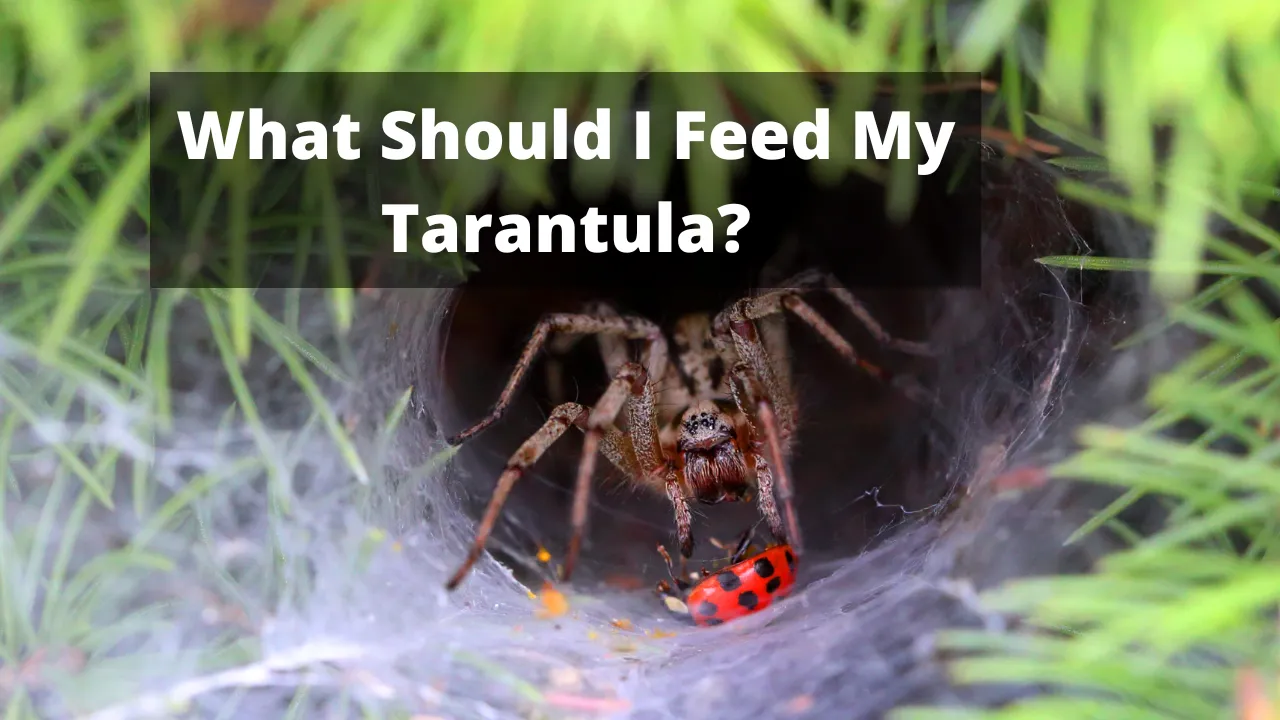
What Do Young Tarantulas Eat An Overview
Caring for a young tarantula can be a rewarding experience, but it’s essential to understand their dietary needs to ensure their health and growth. Unlike adult tarantulas, which can sometimes go for extended periods without food, young tarantulas require more frequent feeding due to their rapid development. The right diet not only provides essential nutrients but also supports the tarantula’s molting process, a crucial aspect of its life cycle. This guide explores the top five foods suitable for young tarantulas, focusing on their nutritional benefits, proper feeding techniques, and overall care considerations. By understanding what your young tarantula eats, you can create a thriving environment for your pet, ensuring it lives a long and healthy life. Preparing the right food with the right methods is the first step to caring for a tarantula.
Crickets
Crickets are a staple food for many young tarantulas, offering a balanced nutritional profile and ease of availability. They are relatively easy to acquire from pet stores or online suppliers, making them a convenient option for feeding. The high protein content in crickets supports the rapid growth of young tarantulas, while also providing essential minerals and vitamins. However, it’s crucial to choose crickets that are appropriate for the size of your tarantula, avoiding those that are too large, as this can pose a risk of injury during the hunt. Crickets are also relatively easy to handle, which makes them ideal for beginners. Always make sure the crickets are gut-loaded before feeding them to your tarantula to maximize the nutritional benefits.
Nutritional Value

Crickets are a good source of protein, which is essential for the growth and development of young tarantulas. They also contain chitin, a component of the exoskeleton, which aids in the molting process. Crickets provide a moderate amount of fat and a range of vitamins and minerals, including calcium, which is vital for the tarantula’s exoskeleton. To further enhance the nutritional value, it is recommended to gut-load the crickets before feeding them to your tarantula. This process involves feeding the crickets nutritious foods such as vegetables and commercial cricket food, so your tarantula can benefit from the nutrients in these foods.
How to Feed Crickets
Feeding crickets to young tarantulas is a straightforward process. It’s best to start with a cricket that’s about the same size or slightly smaller than the tarantula’s abdomen. Place the cricket into the tarantula’s enclosure, ensuring it can be easily captured. Observe the tarantula to see if it is interested in the cricket. If the tarantula does not show interest, remove the cricket after 24 hours. Avoid overfeeding, especially for young tarantulas, as this can lead to stress and potential health issues. Remove any uneaten crickets after a day or two to prevent them from bothering the tarantula. Provide water for the crickets by keeping a shallow dish with a sponge.
Mealworms
Mealworms are another popular food choice for young tarantulas, offering a convenient and readily available option. They are relatively easy to breed at home, which can provide a consistent food source. Mealworms are rich in protein and provide a decent amount of fat, making them a good supplement to a tarantula’s diet. However, it is crucial to consider the potential drawbacks, such as their harder exoskeleton, which can be difficult for younger tarantulas to digest. The right approach is critical to take care of your tarantula. Always ensure they are properly handled and monitored to prevent any complications.
Advantages and Disadvantages

Mealworms are convenient and easy to store, and they are also relatively inexpensive. Their high protein content supports growth, making them a good choice for young tarantulas. However, mealworms have a higher fat content, which may lead to overfeeding if not monitored properly. Their harder exoskeletons can make them difficult for young tarantulas to digest, and they can sometimes burrow in the substrate, potentially causing stress to the tarantula. Furthermore, mealworms have less nutritional value than crickets or roaches. Thus, proper management of mealworms is critical to keeping your pet healthy.
Feeding Mealworms Safely
When feeding mealworms to young tarantulas, it is best to offer them in moderation. Start with a few mealworms, depending on the tarantula’s size and appetite. Crush the mealworm’s head before feeding to prevent it from burrowing into the enclosure, and make it easier for the tarantula to consume. You may need to pre-kill the mealworm for very small tarantulas. Always remove any uneaten mealworms to prevent them from stressing or biting the tarantula. Gut-loading the mealworms with nutritious food before feeding them can increase their nutritional value, benefiting your young tarantula.
Roaches
Roaches, like dubia roaches, are excellent food for young tarantulas. Roaches are a nutritionally rich food source that provides a great balance of protein, fat, and other essential nutrients, which makes them a good food to ensure the tarantula’s growth. They are relatively slow-moving, making them easier for tarantulas to catch compared to crickets. Also, roaches don’t tend to burrow, which is a significant advantage, as this reduces the risk of stress for the tarantula. Roaches offer various benefits, making them one of the best food choices for young tarantulas.
Why Roaches are a Good Choice

Roaches, particularly dubia roaches, are high in protein and have a more favorable protein-to-fat ratio than many other feeder insects. They are also relatively easy to breed, providing a sustainable food source. Roaches are less likely to burrow in the substrate, reducing the risk of your tarantula getting stressed. They are also less noisy than crickets and do not have a strong odor. Roaches offer a good nutritional profile that ensures the health and development of your tarantula. Their ease of handling and breeding makes them a preferred choice for tarantula owners.
Roach Feeding Tips
When feeding roaches to young tarantulas, select roaches that are appropriately sized, typically no larger than the tarantula’s body. Place the roach in the enclosure and observe whether the tarantula successfully catches the food. Remove any uneaten roaches after a day or two to avoid disturbing the tarantula. Ensure that the roaches are gut-loaded before feeding them to your tarantula. Proper gut-loading enhances the nutritional value, providing the tarantula with the necessary vitamins and minerals. Always practice responsible feeding practices.
Fruit Flies
Fruit flies are an excellent option for feeding very small or newly hatched tarantulas. Their small size makes them easy for tiny tarantulas to capture and consume without any difficulty. They are readily available and can be bred at home, providing a consistent food source. The soft bodies of fruit flies are easy to digest, making them a safe choice for young spiders. However, the nutritional value of fruit flies is not as high as other food choices, so they are often best used as a supplement to a more varied diet.
Ideal for Smaller Tarantulas

Fruit flies, particularly the wingless variety, are ideal for feeding the smallest of tarantulas, such as spiderlings. Their small size ensures the spiderlings do not struggle to capture the food, which is critical for their survival. They are also relatively easy to manage, making them a good choice for beginners. The soft bodies of fruit flies are easy to digest, and there is no risk of the spiderlings being injured, as can sometimes happen with larger insects. The consistent supply of food is critical to their survival.
Fruit Fly Feeding Guide
When feeding fruit flies, gently pour a small number of them into the tarantula’s enclosure. Ensure that the flies are wingless, so they don’t escape and can be easily captured. The ideal approach is to feed the tarantula several times a week. Always keep a supply of fruit flies readily available, as these are the most manageable and suitable food for young tarantulas. Make sure to feed them moderately, which will ensure the health of the tarantulas.
Other Insects
In addition to crickets, mealworms, roaches, and fruit flies, other insects can be considered for your young tarantula’s diet. However, it’s important to research the suitability of each insect, taking into account factors like size, nutritional value, and availability. Some options include small grasshoppers or other locally sourced insects. A varied diet can provide a range of nutrients and keep your tarantula engaged. Proper research on a tarantula’s diet is essential to ensure you are providing the best care for your pet.
Variety and Enrichment

Introducing different types of insects can provide nutritional variety and prevent your tarantula from becoming bored. A varied diet can also mimic what tarantulas eat in the wild, offering enrichment and promoting natural behaviors. However, when introducing new insects, do so gradually and observe your tarantula for any adverse reactions. Ensure that all insects are free from pesticides and parasites, as these can be harmful to the tarantula. Providing a diet variety helps the tarantula’s health.
Finding and Preparing Other Insects
If you plan to include other insects in your tarantula’s diet, sourcing them responsibly is essential. Avoid collecting insects from areas where pesticides might be used, as these can be toxic to your tarantula. It is recommended to purchase insects from reputable pet stores or online suppliers, which ensures quality and safety. Before feeding any new insect, it is best to gut-load them with nutritious foods to enhance their nutritional value. Also, when introducing a new type of insect, it is important to observe the tarantula carefully for any adverse reactions, which will ensure the pet’s safety.
Conclusion
Providing the right food is crucial for your young tarantula’s health and growth. A diet of crickets, mealworms, roaches, and fruit flies offers a good balance of nutrients. Remember that feeding frequency and portion size should be adjusted based on the tarantula’s age and size. Always observe your tarantula’s eating habits and adjust the diet as needed. By following these guidelines, you can provide your tarantula with the care it deserves, contributing to its long-term health and overall well-being. Proper care and feeding can ensure your pet’s health.